Europe
Bruges, Belgium
Bruges in November: the small Flemish city, returned to itself
November 8, 2021
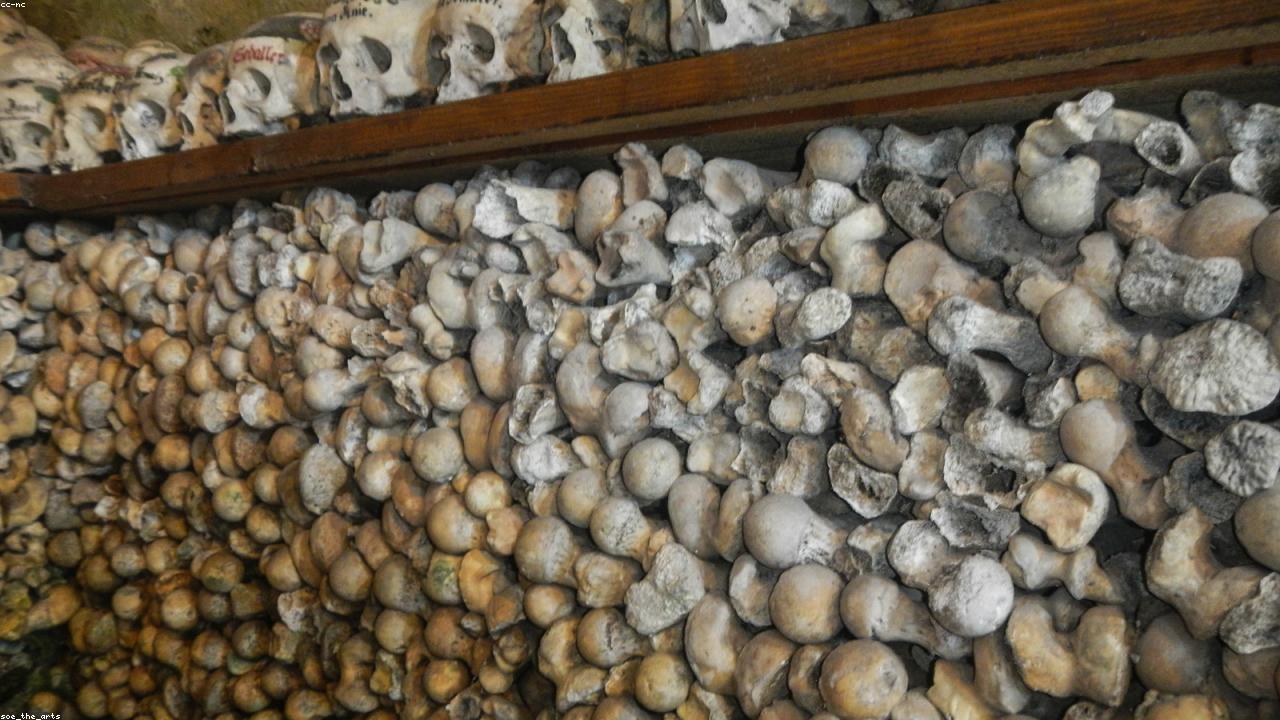
Photo: Ščenza
Hallstatt, Austria · Europe
The short list, pulled out of the long essay. No opening hours, because they change and I would only get them wrong — just what is worth your morning, roughly when to turn up, and where I have wasted time so you don’t have to.
By Ščenza
Last checked
The high valley above the village, up by funicularMay to early November; take the first car up
Europe's oldest wooden staircase is down there, cut in 1344 BC and preserved by the salt that buried it. You are issued a boiler suit, sent down a miners' slide into the workings and brought out on a mine train. Before any of that, the Skywalk platform hangs out over the valley with the lake directly below — ten minutes of standing still, well spent. I took the slide badly and was photographed doing it, which is evidently the business model.
St Michael's Chapel, beside the parish church above the villageAny morning; it is a small room and it fills fast
In a chapel roughly the size of a garage sit around twelve hundred skulls, six hundred and ten of them hand-painted with the name of the dead and a wreath — ivy for life, oak for glory, roses for love. The cemetery was too small, so graves were reused and the bones came here. The painting began about 1720 and the most recent skull was added in 1995, at the woman's own request. Nobody here is being macabre. They simply ran out of ground.
Above Obertraun, by cable car from across the lakeSummer season, early, before the cloud settles on the plateau
A cable car out of Obertraun lifts you onto the Dachstein plateau where five steel walkways project over a five-hundred-metre drop: one floored in glass, one framing the valley through a Baroque picture frame, all of them entirely unnecessary and completely worth it. The Giant Ice Cave is on the same mountain and keeps its ice through the summer. I stood on the glass one for four seconds and then walked back along a solid one, having made my point.
Gosau valley, about twenty minutes westWindless mornings, May to October, for the reflection
Twenty minutes west of the crowd sits a lake with a four-kilometre path around it and the Dachstein glacier standing at the far end, and on a still morning the whole mountain turns up upside-down in the water. The circuit is flat and takes about an hour. On my last time round I passed nine people. Hallstatt takes eleven thousand a day in season, and the mountains in between did not agree to either figure.
Hallstatt Bahnhof, east shore — the boat meets the trainsYear-round; the last crossing back is early evening
Hallstatt's railway station is on the wrong side of the lake with no road from it to the village, which sounds like a planning failure and is in fact the best arrival in Austria. A small boat meets each train, takes about fifteen minutes, and the village assembles itself in front of you exactly as it does in the photographs, except moving. Bring cash for the crossing. I found that out in the tedious way, at the ticket window, in the rain.
The long version
Hallstatt has 700 residents and, last I checked, 11,000 visitors a day in high season. The math doesn't work. The two windows that do work — first light, and after 6 p.m. — give you the alpine village that made it famous in the first place.
Read the full essay →