Asia
Beijing, China
Beijing: the imperial city behind the smog and the headlines
July 7, 2023
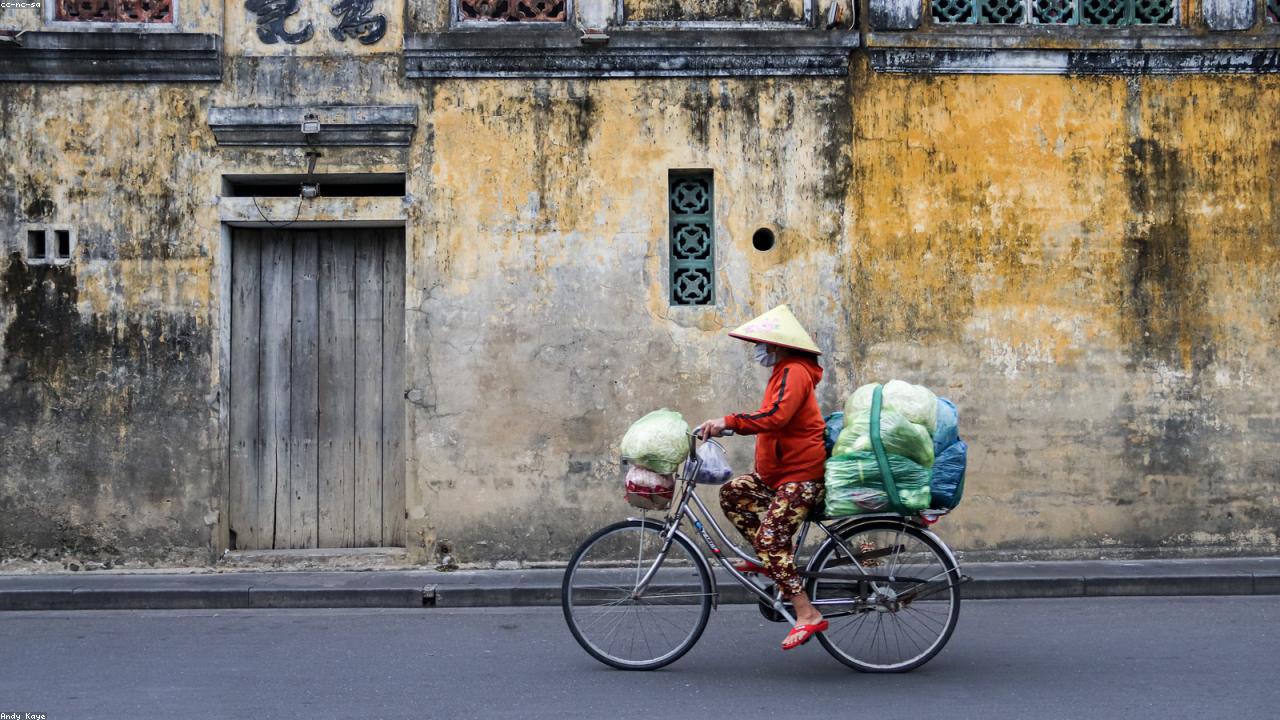
Photo: Ščenza
Hoi An, Vietnam · Asia
The short list, pulled out of the long essay. No opening hours, because they change and I would only get them wrong — just what is worth your morning, roughly when to turn up, and where I have wasted time so you don’t have to.

By Ščenza
Last checked
Protected zone, along the Thu Bồn riverfrontDawn, every morning you are there
Everything worth having in this town happens before the coaches arrive from Da Nang. The ochre shophouses are still shuttered, the market is loading, someone is sweeping a temple courtyard, and the mist is sitting on the river. The Japanese Covered Bridge — sixteenth-century, reopened in August 2024 after a nineteen-month restoration that half of Vietnam argued about because the fresh paint looked fresh — can be crossed at that hour without joining a queue. By nine it is a different town, and there is nothing whatever to be done about that.
Trần Phú street, inside the ticketed zoneMid-morning; the old-town ticket covers a set number of sites
Chinese trading communities each built their own guild hall here — Fujian, Cantonese, Hainanese — and the Fujian one, given over to the sea goddess Thiên Hậu, is all ceramic dragons, coiled incense hanging from the beams and a model junk for the sailors who did not come back. Then do exactly one merchant house: Tấn Ký, two hundred years old, still in the same family, with flood marks on the wall showing where the Thu Bồn has been. Your ticket buys a few sites, not all of them, which is a useful discipline for someone like me who otherwise attempts the lot.
About 40 km southwest — an hour by roadFirst arrival of the day, or you will share it
Brick temple towers raised by the Cham between the fourth and thirteenth centuries, in a jungle valley ringed by hills, built with a mortar nobody has convincingly reproduced since. A week of American bombing in 1969 destroyed the finest group; the craters are still there, and so are the unexploded-ordnance signs, which are not decorative. Go at opening — the site is compact, the heat is serious by ten, and the gap between Mỹ Sơn empty and Mỹ Sơn at eleven is the gap between a place and a queue.
About 4 km northeast, flat the whole wayEarly morning swim, or after four in the afternoon
Guesthouses lend bicycles, the land is entirely flat, and the ride takes a quarter of an hour through paddy fields with family graves standing in the middle of them. An Bàng has a public stretch of sand, seafood places behind it and enough shade to sit out the worst of the day. I have ridden it in a downpour with a rented poncho flapping like a badly packed parachute; the beach was empty, the fish was hot, and it stands as the best afternoon I have had in central Vietnam.
Old town, both banks of the riverThe 14th day of each lunar month — check the calendar
Once a month the town cuts most of its electric light and runs on silk lanterns instead, and people float paper lanterns out onto the Thu Bồn. It is genuinely lovely for about forty minutes and then it becomes several thousand people moving at the pace of the slowest phone. Arrive as it gets dark, walk the far bank rather than the main street, and be out of the centre before the crush sets in. The Riva in Split in August taught me this manoeuvre and it transfers intact.
The long version
Hoi An's central trading town, the old port on the Thu Bon river, is one of the most architecturally preserved towns in Southeast Asia. It is also, on lantern-festival nights, a crowded selfie corridor. The trick is the early morning, the rainy afternoons, and the bicycle to the beach.
Read the full essay →