Asia
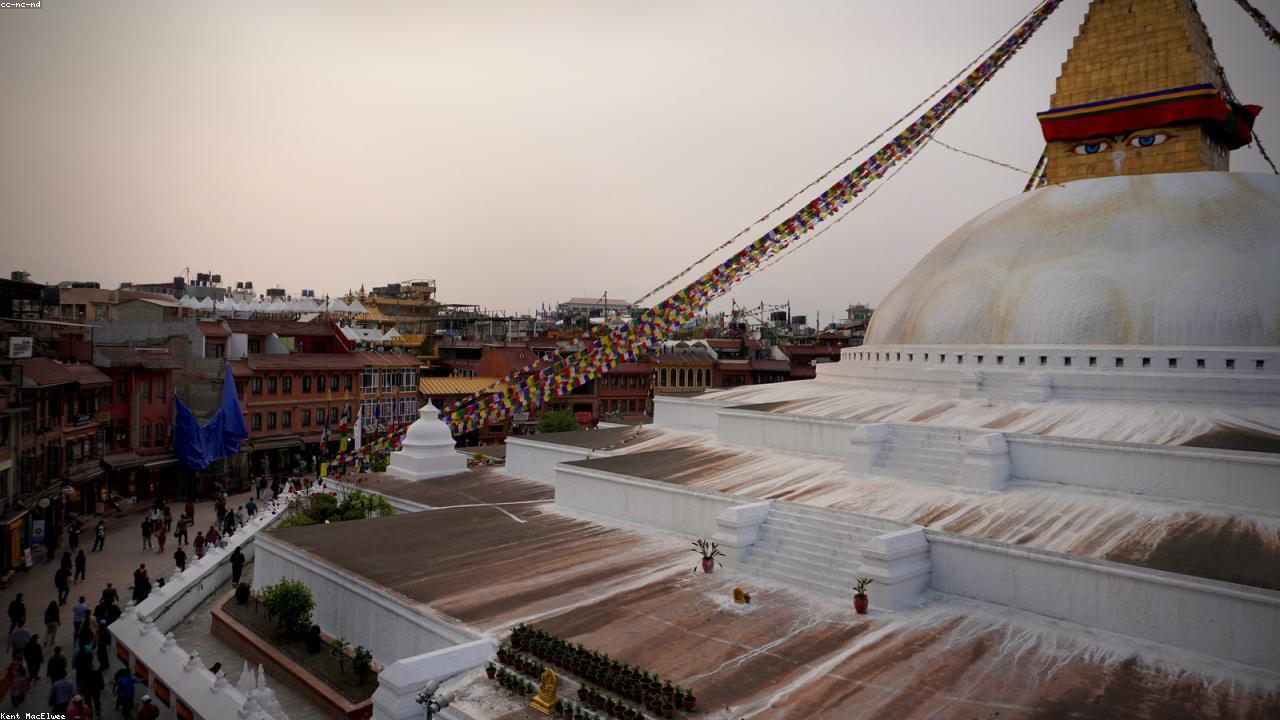
Kathmandu, Nepal
Kathmandu: a medieval city at the foot of the Himalayas
March 12, 2022
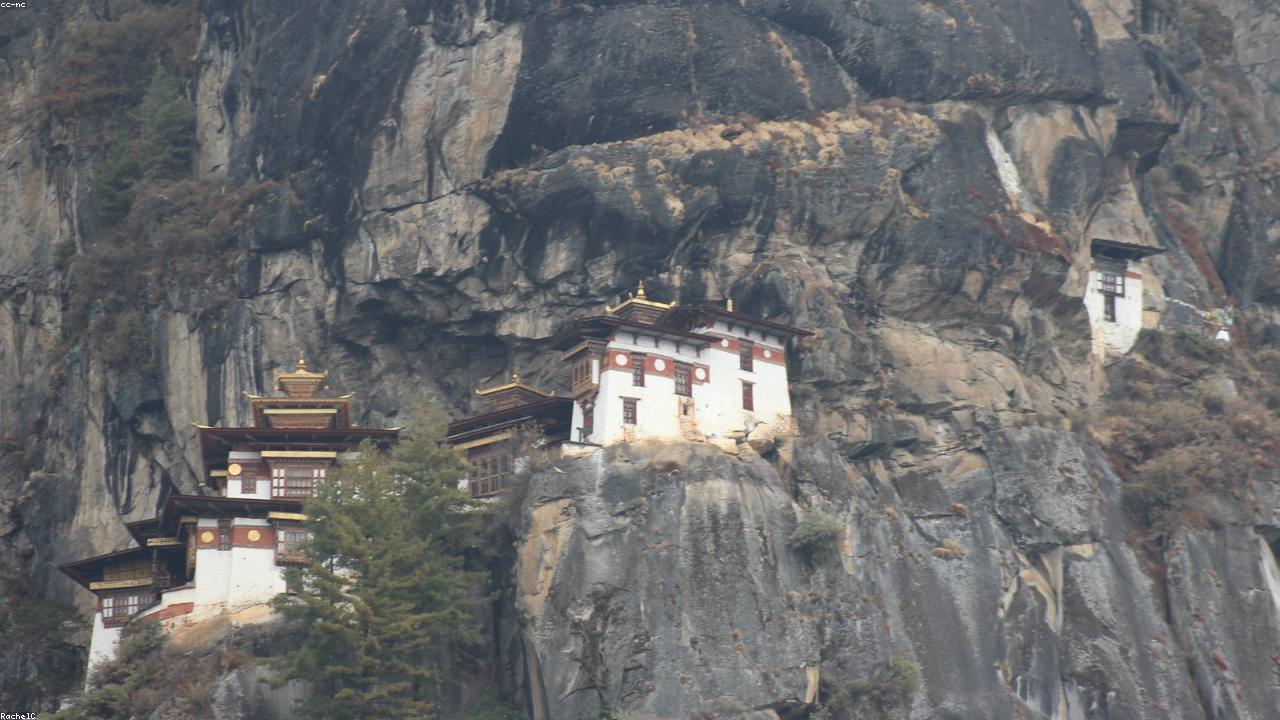
Photo: Ščenza
Paro, Bhutan · Asia
The short list, pulled out of the long essay. No opening hours, because they change and I would only get them wrong — just what is worth your morning, roughly when to turn up, and where I have wasted time so you don’t have to.
By Ščenza
Last checked
10 km north of Paro townStart early; roughly three hours up, two down
Nine hundred metres above the valley floor, on a cliff that has no business supporting a building, and the walk up is three steady hours through blue pine with a cafeteria at the halfway viewpoint where everybody stops and pretends not to be relieved. What you see was built in 1692 around the cave where Padmasambhava is said to have meditated; it burned in 1998 and was rebuilt by 2005. My guide chanted quietly at each prayer-flag station and I, somewhere above three thousand metres with a software developer's lungs, was in no condition to hold up my end of the conversation.
Above Paro town, over the Paro ChhuLate afternoon, when the whitewash turns gold
Zhabdrung Ngawang Namgyal pulled down the older fort and built this one, consecrated in 1646, and it still does both jobs a dzong does: monastery on one side, district administration on the other. Cross the traditional covered cantilever bridge below it on foot and walk up, rather than driving to the top car park, because the approach is the entire reason the thing was sited where it is. Monks in maroon crossing a courtyard while a clerk in a gho heads to a meeting is the whole country in one frame.
Rinpung Dzong and the ground above itSecond month of the Bhutanese lunar calendar, usually March or April
Days of masked dance in the dzong courtyard, the whole valley turned out in its best kira and gho, and on the final morning before dawn an enormous appliqué thongdrel unrolled down a wall and rolled away again before the sun can touch it. It is a religious occasion that happens to be the most photogenic event in the Himalaya, and the order of those two facts matters — behave like a guest at a service rather than an audience. I stood on a wall for four hours to see the thongdrel and would happily do it again on a worse wall.
A short drive up the valley from Paro townMorning, while local people are circumambulating
Built in 659 by the Tibetan emperor Songtsen Gampo as one of 108 temples raised in a single campaign, which makes it one of the oldest buildings in Bhutan and older than more or less anything I have stood inside. The two orange trees in the courtyard are said to fruit all year round. A second temple was added alongside the original in 1971. Twenty quiet minutes is all it takes, and after the queue of walkers on the Taktsang trail that turns out to be precisely what your last morning needs.
The round watchtower on the hill directly above Rinpung DzongPair it with the dzong and walk down between the two
The old circular watchtower that once guarded the dzong became a museum in 1968 and holds over three thousand objects across some 1,500 years — bronzes, thangkas, textiles, the mask collection. Do this before Taktsang rather than after, so that when your guide names a deity on a monastery wall you have already met its face somewhere with a label under it. I went in the other order and spent an entire hike nodding knowledgeably at things I did not recognise in the slightest.
The long version
Bhutan is the only country I have visited that requires a daily Sustainable Development Fee (now US$100/day) and a state-licensed itinerary. The cost is the point. The kingdom uses tourism to fund its national health and education systems, and to keep the country from being overrun. It works.
Read the full essay →