Middle East
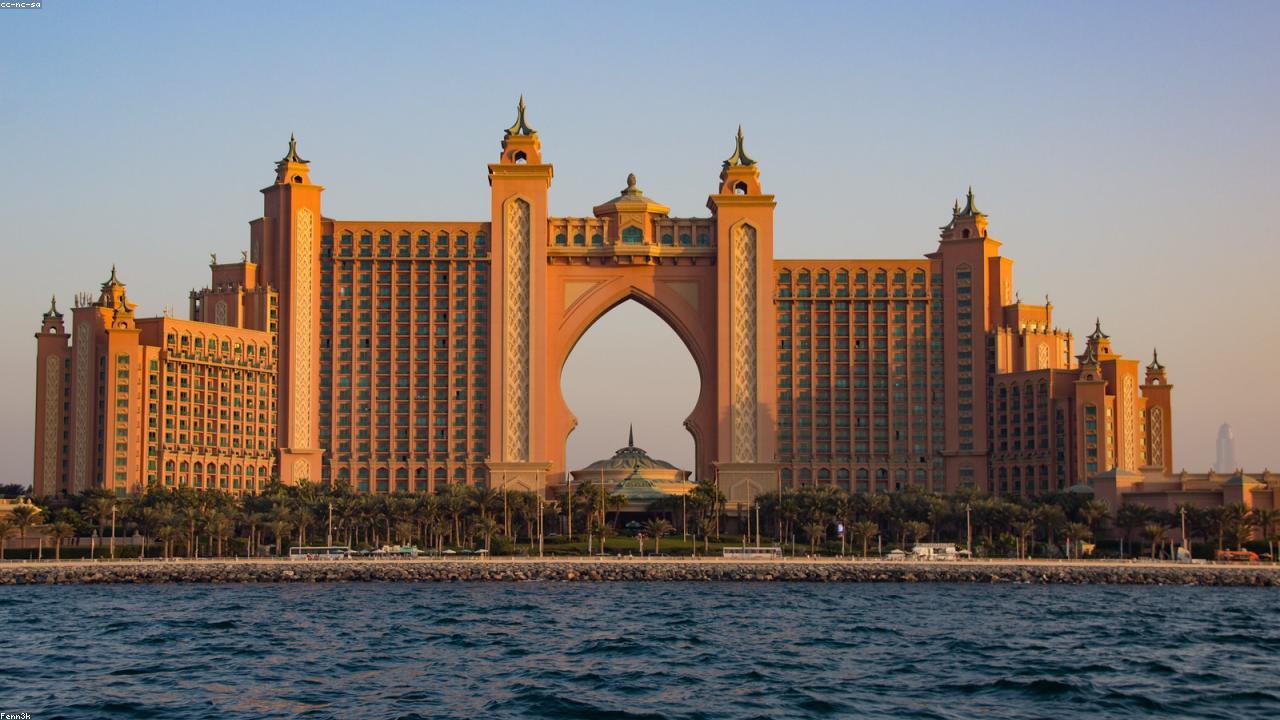
Dubai, United Arab Emirates
Dubai: the engineered city in the Gulf and the desert beyond it
March 24, 2023
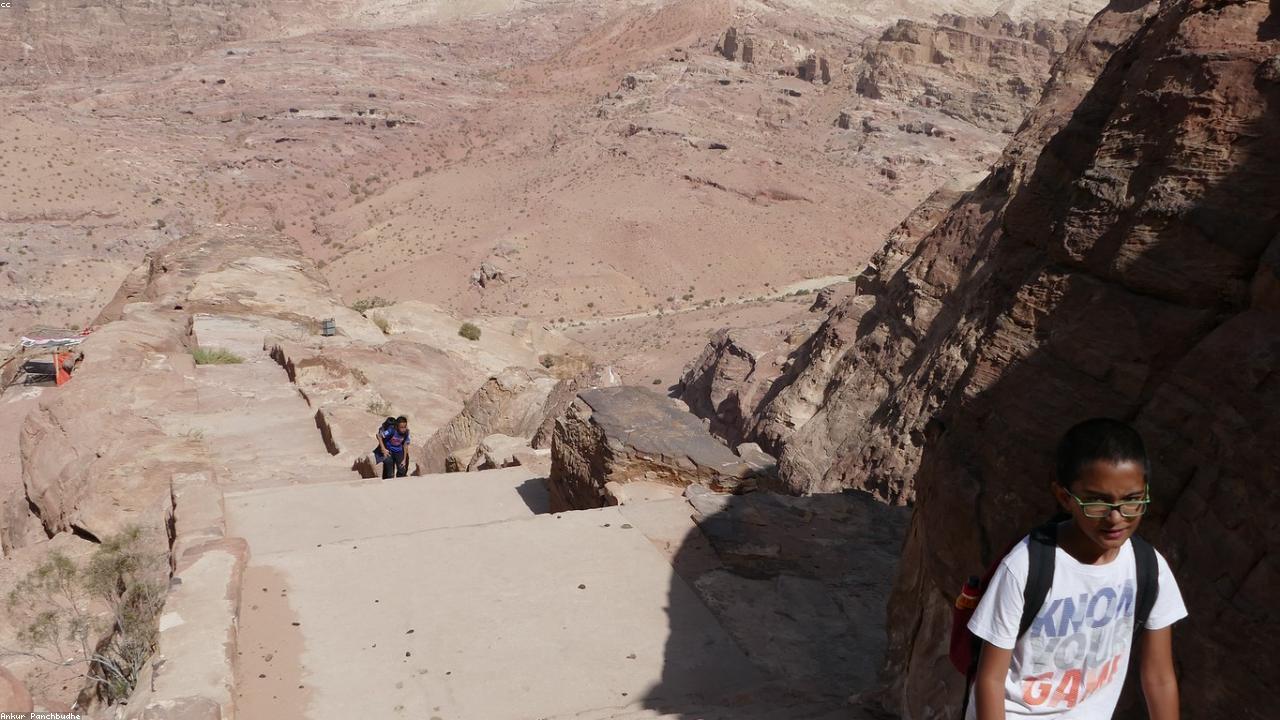
Photo: Ščenza
Petra, Jordan · Middle East
The short list, pulled out of the long essay. No opening hours, because they change and I would only get them wrong — just what is worth your morning, roughly when to turn up, and where I have wasted time so you don’t have to.
By Ščenza
Last checked
From the gate at Wadi MusaBe there when the gate opens; the difference is an hour of empty canyon
The Siq narrows to three or four metres in places, with the Nabataean water channels still cut into the walls at shoulder height, and then it opens and al-Khazneh is standing there in a slot of light — twenty-four metres wide, thirty-seven tall. I have walked it four times and the only one that mattered was the morning I got in before anybody else, when a Bedouin and his donkey went past me with a nod and that was the entire crowd. By eleven the same patch of ground holds a hundred phones.
Far end of the main valley, up the rock-cut stairsLate afternoon — the façade takes the setting light and the crowd has gone down
Ad-Deir is bigger than the Treasury, fifty metres across and forty-five high, and a fraction of the visitors ever reach it, because it sits at the end of a long stair climb that begins after you have already walked several kilometres. That is the whole trade, and it is a fair one. There is a tea stall at the top run by people who carried the kettle up the same steps you just complained about, and a viewpoint behind the monument looking west over Wadi Araba with a hand-painted sign claiming the best view in the world. Not a serious claim. Not badly wrong either.
Up from the Roman theatre, down the far side through Wadi FarasaStart early; the staircase is fully exposed
Eight hundred-odd steps up from the theatre to a Nabataean altar cut flat into the summit, with drainage channels carved into the rock in a way that leaves very little to the imagination about what ran down them. Go up this way and descend the far side through Wadi Farasa and you get a full loop that most visitors never attempt. My knees now hold firm opinions about that descent which they did not hold in 2011.
8 km north of Wadi MusaHalf a morning. It is free and entirely separate from the main ticket
Siq al-Barid means the cold canyon, which it is — narrow enough to hold its shade all day, 450 metres of it, with three small open chambers and rock-cut dining rooms reached by ladders. The thing to come for is the ceiling of the painted biclinium: Hellenistic frescoes of vines, grapes and winged figures, dated to somewhere around the turn of the era, and the only Nabataean figurative painting still surviving where it was made. Look up. Then look where your feet are, because I did those two in the wrong order.
About two hours' drive south of PetraSpring or autumn. The summer heat here is not a rhetorical problem
Drive south for two hours and the sandstone stops being carved and starts being enormous: seven hundred square kilometres of protected desert, World Heritage since 2011, with Thamudic petroglyphs of hunters and antelope on the walls of Khazali canyon and Jebel Umm ad Dami, the highest point in Jordan, out to the south. Stay a night with one of the Bedouin camps. The simple ones are better — I once paid extra for a transparent dome tent and spent the night listening to the generator that inflated it, rather than to nothing at all.
The long version
The Treasury at Petra is the iconic photograph; the city itself is much larger and much weirder than the photograph suggests. The Nabataean Empire carved an entire capital out of the sandstone cliffs of southern Jordan, and most visitors see less than a quarter of it.
Read the full essay →Dubai, United Arab Emirates
March 24, 2023
Muscat, Oman
April 26, 2022
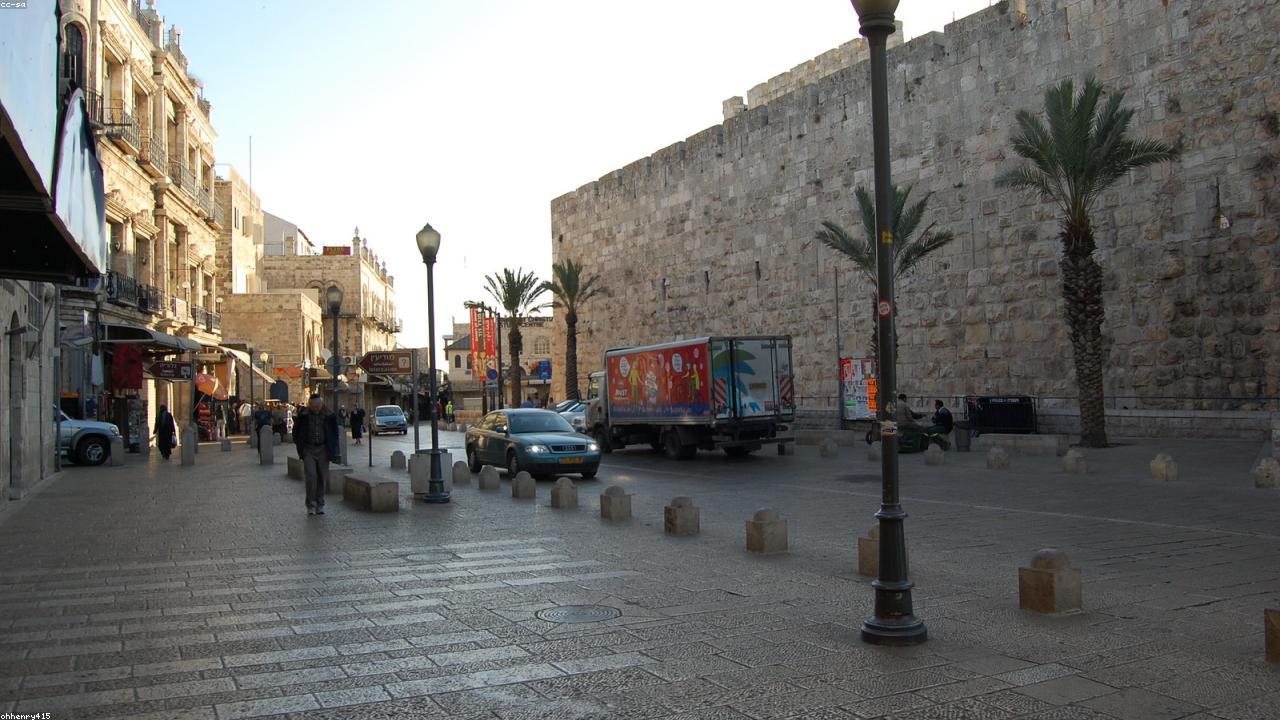
Jerusalem, Israel
March 8, 2021