Europe
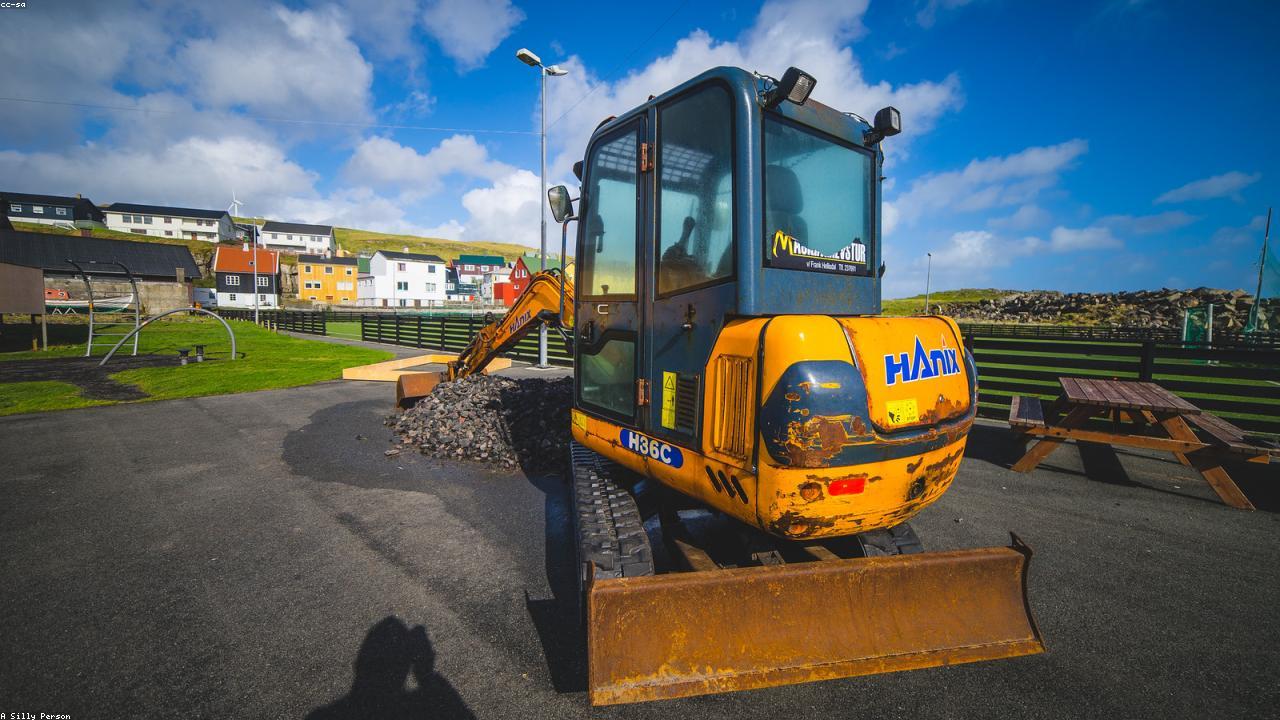
Tórshavn, Faroe Islands (Denmark)
The Faroe Islands: eighteen rocks in the North Atlantic
July 4, 2024
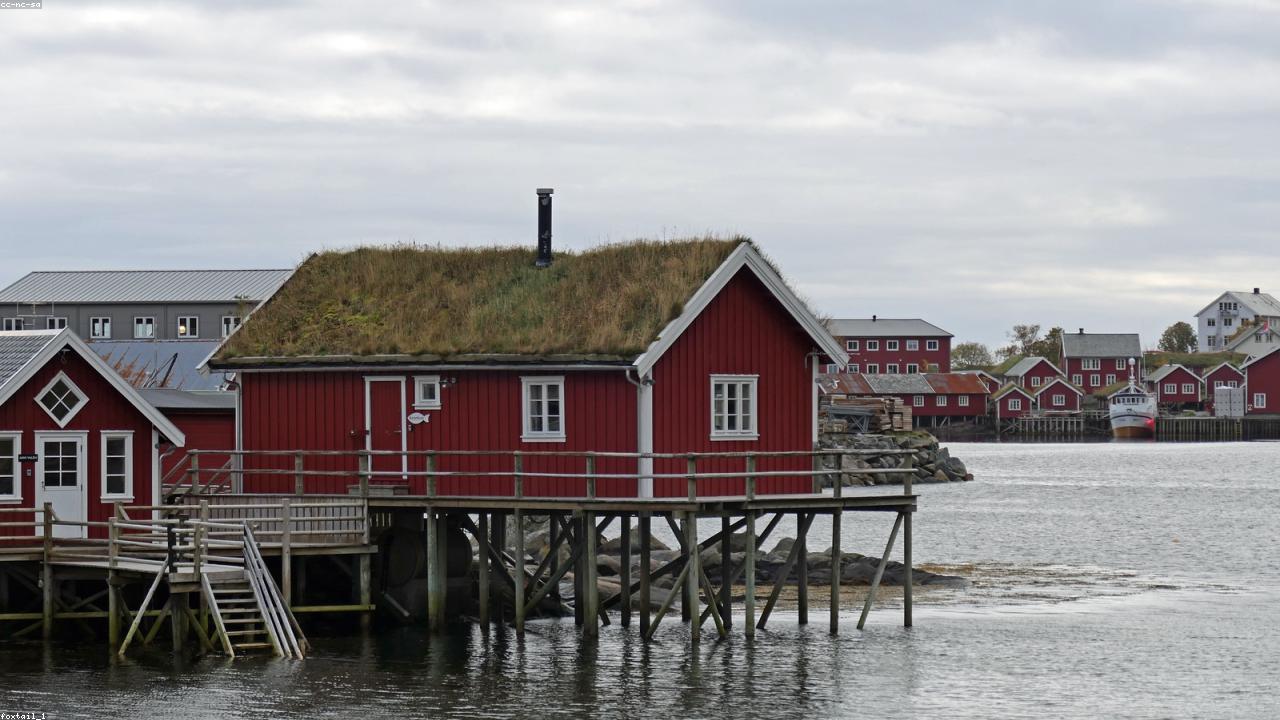
Photo: Ščenza
Reine, Norway · Europe
The short list, pulled out of the long essay. No opening hours, because they change and I would only get them wrong — just what is worth your morning, roughly when to turn up, and where I have wasted time so you don’t have to.

By Ščenza
Last checked
Directly above Reine; trailhead on the E10Summer and early autumn; check the trail is open first
Nepali stonemasons laid a stone stairway up 448 metres of steep hillside between 2016 and 2019, which turned a notorious mudslide into a climb most reasonably fit people manage in about an hour. It is still steep, still slick in rain, and the stretch above where the steps end is where people get themselves into difficulty. The view down onto Reine, Hamnøy and the sounds between them is the photograph that sells this archipelago. It shuts for repairs and weather often enough that you should check before driving out.
Austvågøya, about half an hour from SvolværLate afternoon, for the light off the water
Five hundred people live on a handful of rocky islets joined by bridges, with cod-drying racks, a working harbour, climbers in the summer, and the sea about four metres from most front doors. The football pitch out on the rock at the edge of the village is the one you have seen shot from a drone: no stands, no fence, Atlantic on three sides. There is no clubhouse either. Anyone who has played on a Dalmatian island pitch can tell you roughly how many balls a season that costs.
Trailhead near Fredvang, MoskenesøyaJune to September; boardwalk over the boggy sections
Over a low pass from the Fredvang road, on duckboards where the ground turns to peat, and down onto a beach with no road to it — which is the entire point, because in Lofoten any beach you can drive to comes with a car park and a coach. Ryten rises above one end if you want the view looking down on the sand. Two Norwegians once spent the better part of a year in a driftwood shelter on this coast and made a film about it; on a still evening you understand the impulse completely, and on a wet one you don't.
Moskenesøya, the southern tip of the archipelagoThe museum runs through the summer season
Drive until the road stops and you are in a village called Å, which is one letter and the last one in the Norwegian alphabet — a joke the Norwegians did not set out to make. The Norwegian Fishing Village Museum here is a set of original buildings, boathouses and a cod-liver-oil works you can smell before you get to the door, covering how this coast actually lived from about 1840 to 1960. Dry, unsentimental, very good indeed. Komiža and Maslinica could copy the entire model tomorrow.
Vestvågøya, mid-archipelago, just off the E10Main season is summer; the hall is best in bad weather
Ploughing at Borg in 1983 turned up the floor of an 83-metre longhouse, the largest Viking building ever found in Norway, and the reconstruction now stands on the site with a fire running down the middle of it and the smoke looking for the roof hole. There are boats to row, a smithy, mead, and yes, a certain amount of theatre. The hall itself at the far end — long, dark, warm, smelling of woodsmoke — does something no display case has ever managed. Save it for the day the weather has already ruined.
The long version
Lofoten is a string of granite peaks rising directly from the Norwegian Sea, north of the Arctic Circle. The small fishing villages on the coast, the cod-drying racks, the midnight sun in summer, the northern lights in winter — Lofoten is one of the most photographed landscapes on earth and remains, somehow, undertraveled.
Read the full essay →Tórshavn, Faroe Islands (Denmark)
July 4, 2024
Hallstatt, Austria
February 22, 2024
Oia, Greece
June 4, 2021