Africa
Sesriem, Namibia
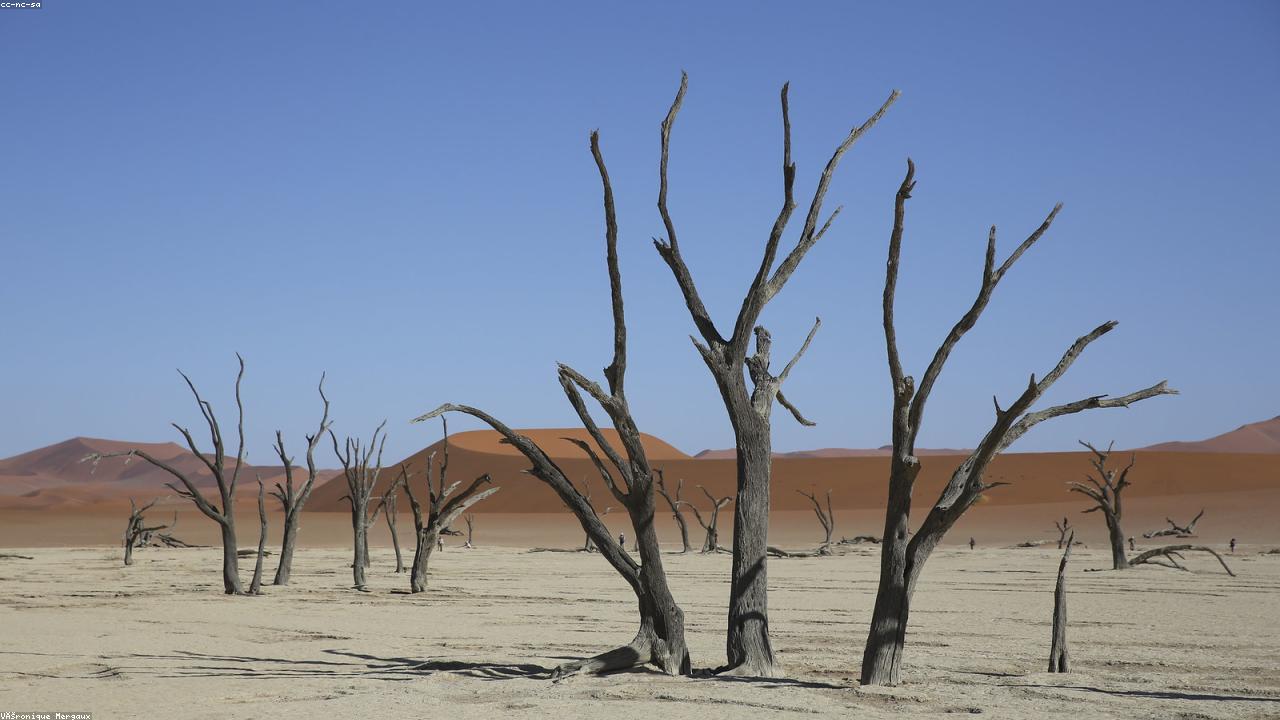
Sossusvlei: the dunes of the Namib and the country around them
October 15, 2022
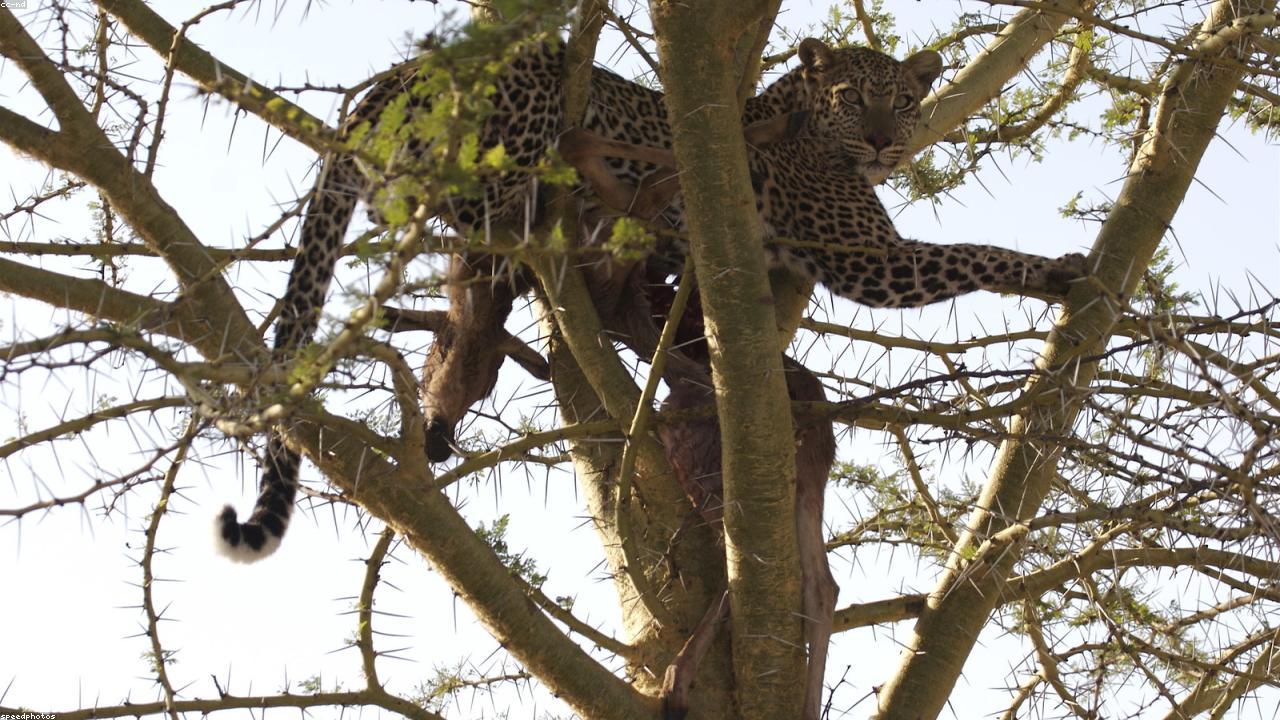
Photo: Ščenza
Seronera, Tanzania · Africa
The short list, pulled out of the long essay. No opening hours, because they change and I would only get them wrong — just what is worth your morning, roughly when to turn up, and where I have wasted time so you don’t have to.
By Ščenza
Last checked
Central Serengeti, along the Seronera RiverOut at first light, back for a late breakfast
Water runs in the Seronera year-round, which is why the central park holds resident game even when the migration is four hundred kilometres away. Leopards use the big trees along the watercourse; the granite kopjes hold lion prides that treat them as furniture. Six degrees at dawn and thirty by eleven, so pack the fleece you feel ridiculous packing. Our driver found a leopard by watching where the impala were looking rather than where the other vehicles were, and that is the whole difference between a guide and a driver.
Launch sites near Seronera and in the northOne dawn, booked a long way ahead
Up before four, driven to a dark field, and then an hour of drifting a hundred metres over the plains with no engine noise at all, watching herds react to the shadow rather than to any sound. It is the most expensive hour of most people's safari and I have yet to meet anybody who regretted it. The champagne breakfast laid out on the grass afterwards is faintly absurd — white tablecloths in the middle of nowhere — and everybody plays along, me included, in yesterday's shirt.
Northern Serengeti, on the Kenyan borderJuly to October; fly in, the drive up from Seronera is punishing
Wildebeest mass on the bank for hours and then do not cross. Then they cross. Nobody can tell you which day it will be, and any operator promising a crossing is selling you something they do not control. Crocodiles wait in the shallows and the herd goes anyway, because the grass is on the other side and that is the entire calculation. We sat two mornings and got one crossing of about forty minutes. I have never managed to describe the noise of it to anybody afterwards.
South-central Serengeti, an hour or so from SeroneraBest in the wetter months, when the southern plains hold game
Kopjes are ancient granite outcrops standing out of the grass like islands, and the Moru group is the largest cluster of them in the park. They collect shade, rainwater in the rock hollows and a commanding view, so they collect cats — lions lie on them all day looking so exactly like the photographs that you briefly stop believing your own eyes. Ask the guide to kill the engine and sit for twenty minutes. Nothing seen from a vehicle doing thirty is ever quiet enough to count.
Ngorongoro Conservation Area, southeast of the parkOne full day, usually the first or the last of a safari
Six hundred metres down into a collapsed caldera whose floor covers two hundred and sixty square kilometres and holds around twenty-five thousand large animals that mostly never leave. Black rhino among them, back from thirteen individuals in 1993 to about fifty-five by 2018. Only fifty vehicles are allowed on the floor at once and it can still feel like a car park at a good sighting. Stop at the Oldupai Gorge museum on the way — the Leakeys' site, and oldupai is Maasai for the wild sisal growing all over it.
The long version
The wildebeest migration through the Serengeti and Maasai Mara — 1.5 million wildebeest, 200,000 zebra, 500,000 gazelle moving in an annual circuit — is the largest movement of land mammals on earth. The trick to seeing it is matching your visit to the herds, which is harder than the brochures suggest.
Read the full essay →Sesriem, Namibia
October 15, 2022
Antananarivo, Madagascar
September 26, 2022
Livingstone, Zambia
August 10, 2022