Europe
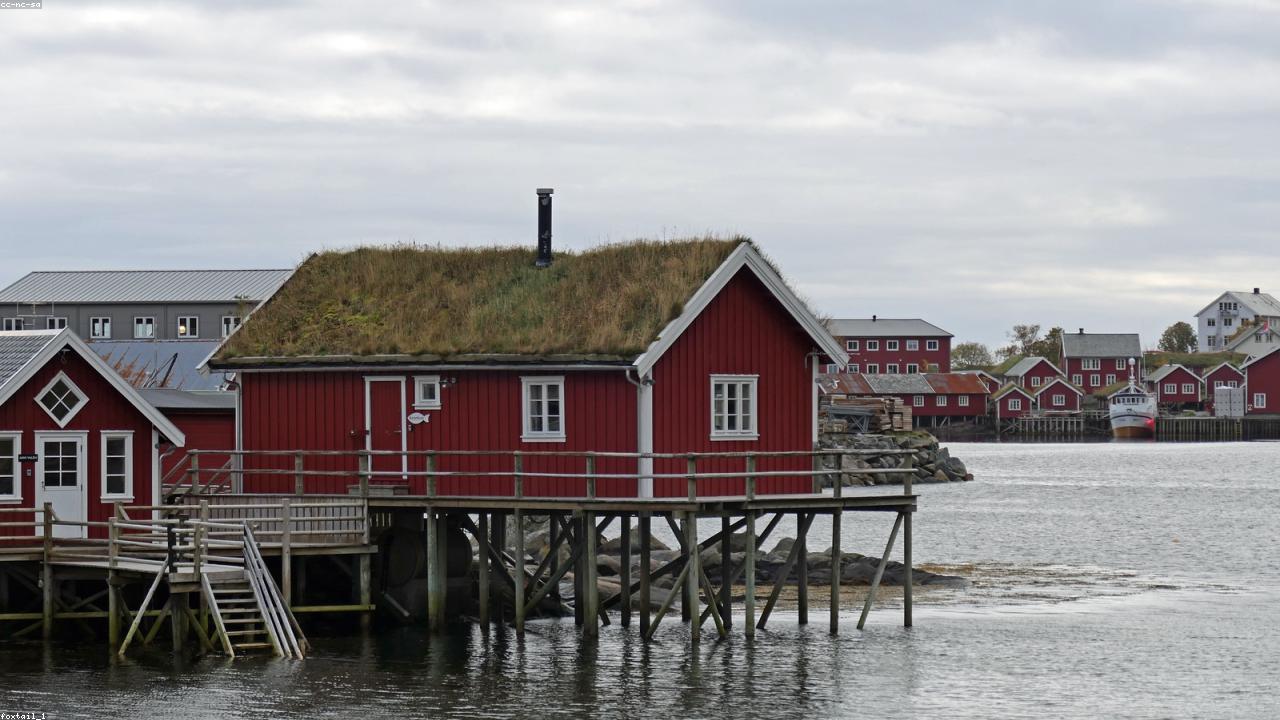
Reine, Norway
Lofoten: the Norwegian archipelago above the Arctic Circle
June 8, 2024
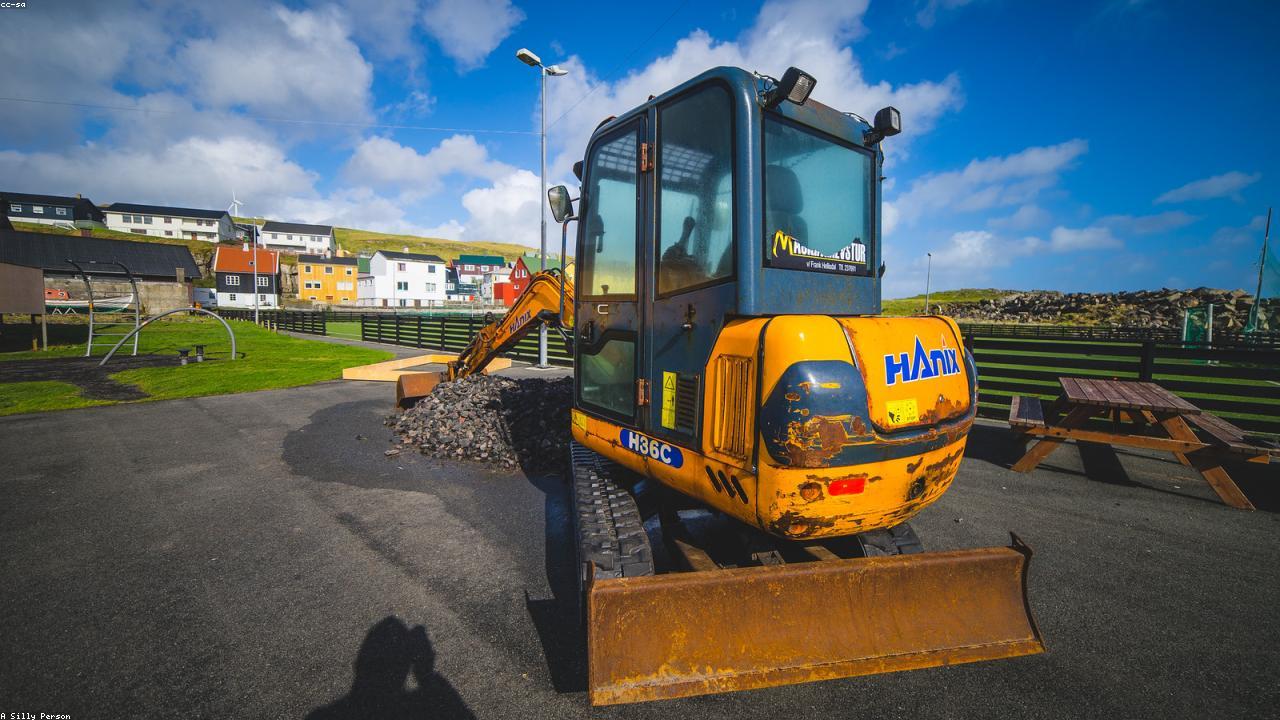
Photo: Ščenza
Tórshavn, Faroe Islands (Denmark) · Europe
The short list, pulled out of the long essay. No opening hours, because they change and I would only get them wrong — just what is worth your morning, roughly when to turn up, and where I have wasted time so you don’t have to.
By Ščenza
Last checked
The peninsula splitting Tórshavn's harbour in twoEarly evening, once the offices have emptied
Ox-blood timber buildings with grass growing on the roofs, sixteenth and seventeenth century, still housing the government — the prime minister works under turf that somebody has to keep down. Norse settlers held a thing on this rock around the year 825, which puts it among the oldest parliamentary sites anywhere. Fifteen minutes to walk end to end. Our own administration back home sits in a Roman emperor's basement; the Faroese keep theirs in a shed with sheep-grade insulation, and theirs is the tidier arrangement.
Southwest tip of Streymoy, 20 minutes from TórshavnAny day the wind permits
Everything is in one field here: the roofless shell of the Magnus Cathedral, begun around 1300 and never finished; St Olav's, twelfth century and still holding services; and Kirkjubøargarður, a log farmhouse dated to the eleventh century and reckoned the oldest continuously inhabited wooden house in the world. The Patursson family still lives in part of it, which is not a museum arrangement but an address. I stood inside the cathedral in horizontal rain for ten minutes and understood precisely why they stopped.
Twenty minutes east of Tórshavn by boatSummer. The petrel walk only works after dark, in August
Fifty thousand pairs of European storm petrels nest in the scree on this island, one of the largest colonies on the planet, above a village of about two hundred people packed shoulder to shoulder on an isthmus for shelter. The birds only come ashore at night, so the guided walk out to the burrows happens in the dark, and hearing that many of them arrive over your head is not a sound you file away and forget. Off-season it is a twenty-minute crossing, a walk to an eighteenth-century lighthouse, and coffee facing the capital.
Ferry from Klaksvík, then north through four tunnelsA clear day in summer. The tunnels are single-lane and blind
Eighty people live on the entire island, in four villages joined by single-lane tunnels bored through rock with no lighting in them whatsoever — carry a torch, and use the passing bays like you mean it. At the north end a small white lighthouse sits on a green spine with a long drop either side, and it is the photograph of the Faroes that people have seen without knowing where it was. They shot the end of the last Daniel Craig Bond film up there. The walk is short, steep and fully exposed.
Tórshavn, all of itBook beds months out. The whole country turns up
Rowing races in wooden boats over a thousand metres, a procession of clergy and politicians and oarsmen, parliament formally reopening on the 29th, and then the chain dancing — the crowd linked in one long line, singing ballads with a hundred verses that nobody writes down because nobody has ever needed to. Fifty-four thousand people live on these islands and it feels like most of them are in town. If you want to see the Faroes as a country rather than as scenery, this is the two days to be here.
The long version
The Faroe Islands are eighteen volcanic rocks rising sharply from the North Atlantic between Scotland, Iceland, and Norway. The total population is 54,000; the puffin colonies number in the hundreds of thousands. The light is unbelievable. The weather is unbelievable in a different sense.
Read the full essay →