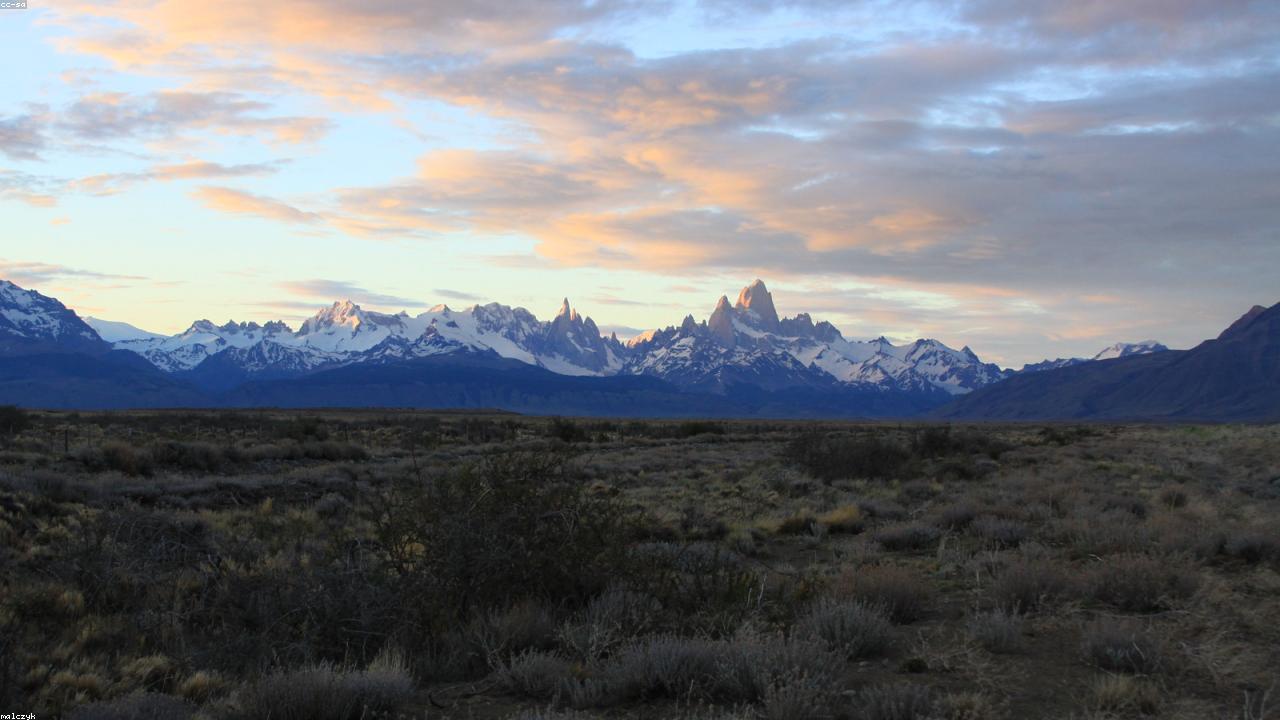
South America
El Chaltén, Argentina / Chile
Patagonia: the southern Andes and the long empty roads
November 19, 2022
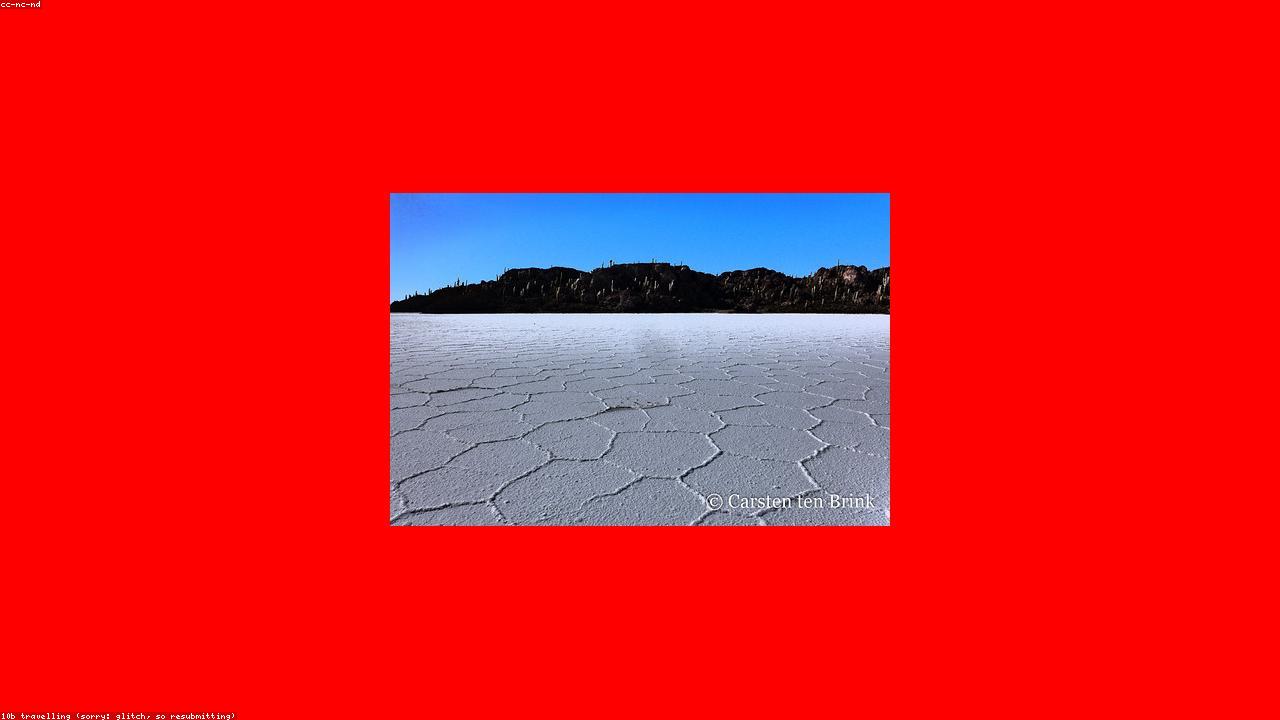
Photo: Ščenza
Uyuni, Bolivia · South America
The short list, pulled out of the long essay. No opening hours, because they change and I would only get them wrong — just what is worth your morning, roughly when to turn up, and where I have wasted time so you don’t have to.

By Ščenza
Last checked
Out on the flat, an hour or so from Uyuni townDecember to March for the mirror; the water is deepest in February
After rain, a film of water a couple of centimetres deep turns the flat into a mirror 129 kilometres across, and at sunrise there is no dependable horizon anywhere — sky underneath you, sky above, your own 4x4 standing in both at once. It is the most disorienting beautiful thing I have looked at. Bring boots you have already given up on, because the salt eats everything it touches, and expect a driver who has done this a thousand mornings to get out and watch it anyway.
3 km outside Uyuni townFirst stop of the tour, mid-morning
Antique steam locomotives left out in the desert to rust, with nobody bothering to fence them off. You climb on them. Everyone climbs on them. The metal is sharp in several places and the tetanus arithmetic is entirely your own business. It is a strange short stop that every visitor photographs and nobody quite explains, and it sets the tone accurately for three days of a landscape mostly made of things abandoned at very high altitude and then left alone.
In the middle of the Salar, well out from ColchaniMidday stop on day one
Fossil coral rising out of a salt flat, covered in cardón cacti several metres tall, with viscachas — long-tailed rabbit relatives with no discernible fear of anybody — sitting about on the rocks. A short path takes you to the top and a view of nothing but white in all directions, which is the point of climbing it. The geology takes a moment to land: this was the floor of a lake, and the thing you are standing on used to be a reef. I ate a cheese sandwich on it and felt underqualified.
Eduardo Avaroa reserve, day twoAfternoon, with a night in a refugio nearby
Sixty square kilometres of red water at 4,278 metres, coloured by algae and sediment, with James's flamingos standing about in it at a temperature that would put me in hospital. Around forty bird species live out here and there is essentially no shelter from the wind. The refugios are basic — bunks, a shared bathroom, and fewer blankets than you will want by two in the morning. This was the night I properly understood that the altiplano is not a beach holiday, and I say that as a man from a beach.
Around 4,800 m, near the Chilean border; day threePre-dawn departure, before the sun thins the steam
Fumaroles and mud pots at nearly five thousand metres, reached in the dark, because the steam columns only stand up like that in the cold before sunrise. There are no railings and no marked path, and the ground in places is a crust over something you would rather not meet. Walk behind your driver and put your feet where he puts his. Between here and the border you pass the Árbol de Piedra, a rock the wind has whittled into a tree, standing alone in the Siloli desert like set dressing nobody came back for.
The long version
The Salar de Uyuni is a 10,500-square-kilometre salt flat at 3,650 m altitude in southwest Bolivia. In dry season it is a hexagonally-cracked white plain extending to the horizon; in wet season, a thin layer of water turns it into the largest mirror on earth.
Read the full essay →El Chaltén, Argentina / Chile
November 19, 2022
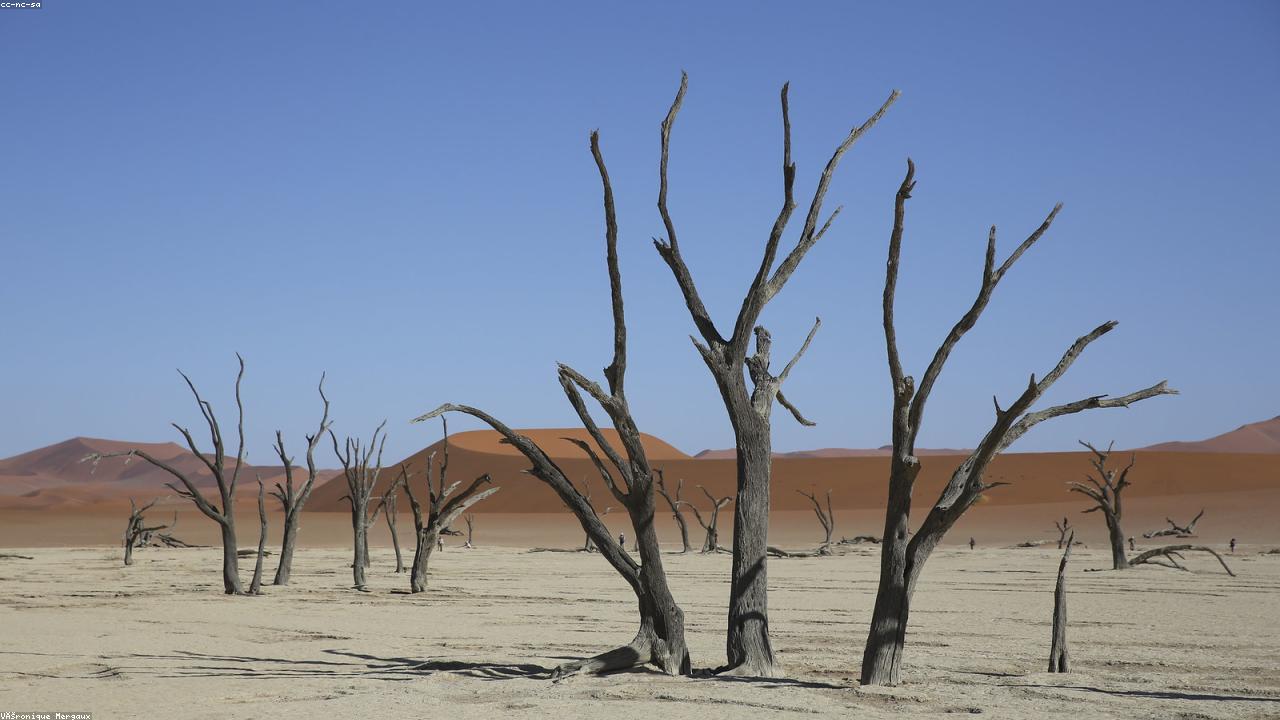
Sesriem, Namibia
October 15, 2022
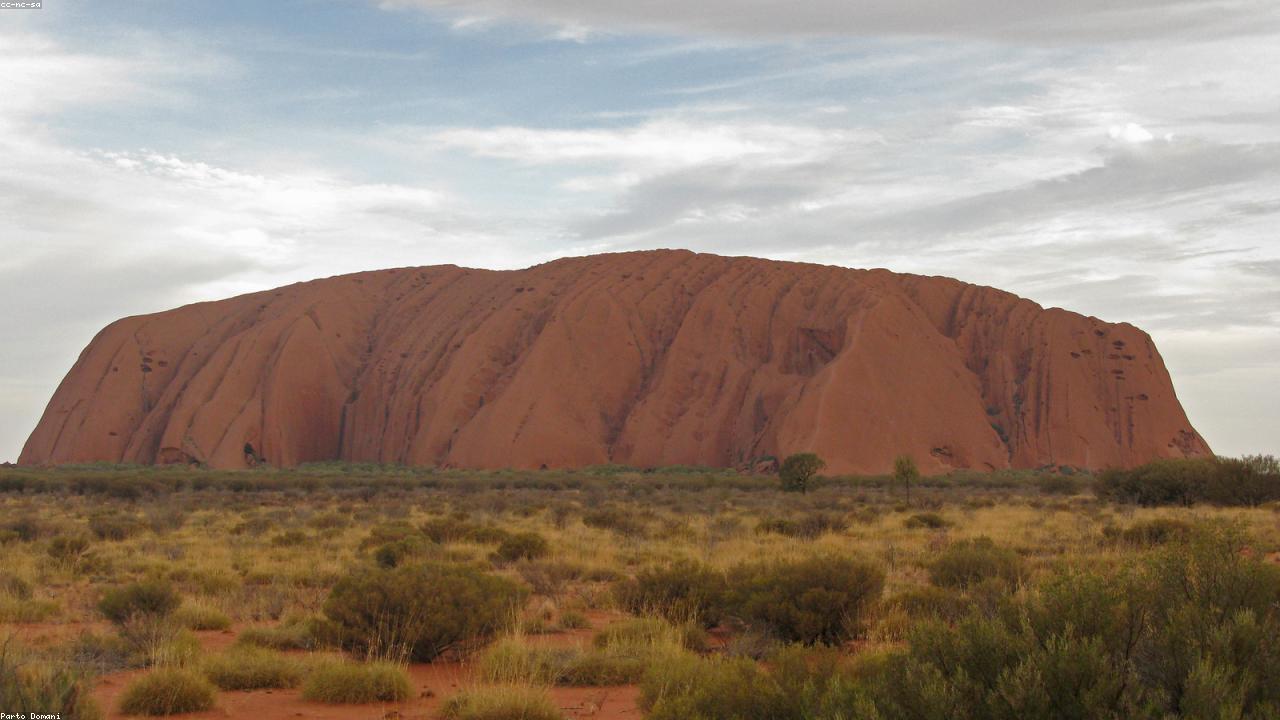
Yulara, Australia
September 24, 2022