Middle East
Muscat, Oman
Muscat and the Omani interior: the Arabian peninsula the other way
April 26, 2022
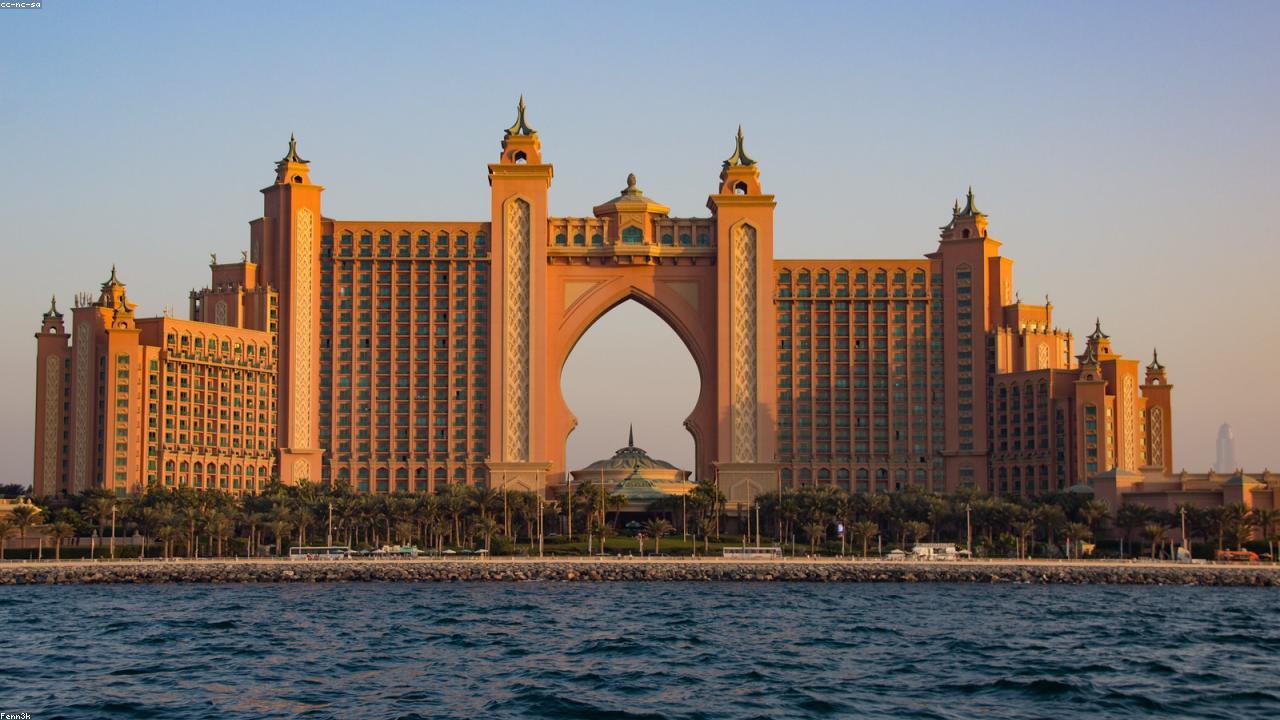
Photo: Ščenza
Dubai, United Arab Emirates · Middle East
The short list, pulled out of the long essay. No opening hours, because they change and I would only get them wrong — just what is worth your morning, roughly when to turn up, and where I have wasted time so you don’t have to.
By Ščenza
Last checked
Downtown DubaiEarly morning, before the Gulf haze thickens
Five hundred and fifty-five metres up, which is high enough that the Palm Jumeirah stops being a place and becomes a diagram. The 124th-floor deck is the busy one and it is perfectly good; 148 is quieter, and most of what you are buying is not queueing. Go early. By mid-morning the haze turns the horizon into a grey wall and you have paid to look at weather.
Sheikh Zayed Road, beside the Emirates TowersBook a slot; it sells out
Killa Design's steel torus with a hole through the middle, wrapped in 1,024 robot-formed panels of Arabic calligraphy by Mattar bin Lahej, where the letters themselves are the windows — the sort of idea that usually dies in construction and here didn't. Inside it is part exhibition, part theatre, and it commits to its own premise harder than most museums dare. I went in expecting to be irritated and came out having taken notes.
Bur Dubai across to DeiraAfter four, when the lanes are finally in shade
Coral-and-gypsum houses from the 1890s built by Persian merchants out of Bastak, with wind towers that cooled rooms before anyone in the Gulf had a compressor. Half the quarter was flattened in the eighties; the rest survived an argument and a well-timed royal visit. The old fort at the end has been behind hoarding for years, so do not plan the afternoon around the museum. Then take the wooden abra across the Creek with everyone else going home from work — five minutes, standing room, and the best transport in the emirate.
Deira, north bank of the CreekEvening
The gold souk is a few hundred metres of window after window of bullion, most of it aimed at wedding markets in India and Pakistan rather than at you, and the sales patter is a running commentary you learn to walk through rather than argue with. The spice souk beside it is smaller, smells better, and is full of sacks of dried lime and saffron of wildly varying honesty. Ask what something is before you ask what it costs.
Al Quoz industrial districtCooler months; check what is showing before you commit a taxi
Seventy-odd galleries, studios and independent spaces in converted marble warehouses that kept their roller doors and their concrete floors. It is the corner of Dubai not trying to be the tallest or largest anything, and it is where the city's actual argument about itself is being had. You will need a car in and a car out, and attempting the walk between warehouses in July is a decision you make exactly once.
Where the Creek widens into wetland, inland of Business BayNovember to March, in the morning
A wetland at the head of Dubai Creek with free hides you can sit in, and several thousand flamingos standing in shallow water with the Downtown skyline directly behind them. Nobody composed that shot and it beats most things that were composed. Bring binoculars — the birds are further out than the photographs suggest, which I established by squinting for twenty minutes and confidently identifying a grey heron.
The long version
Dubai is the most engineered city of the modern era — built almost entirely since the 1990s, from a small Trucial Coast pearl-trading port into a 3-million-person globally connected emirate. The city is best read as the architectural laboratory it is.
Read the full essay →