Europe
Prague, Czechia
Prague at half-speed: the city after the tour groups leave
October 30, 2022
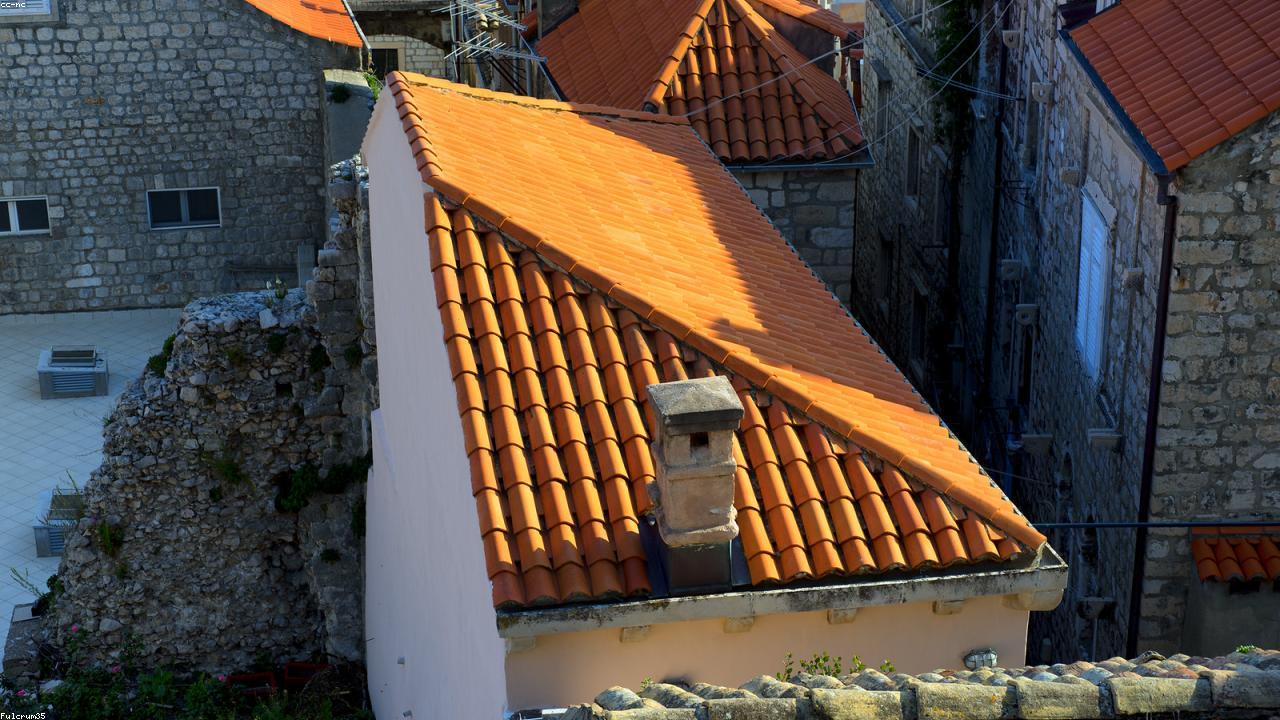
Photo: Ščenza
Dubrovnik, Croatia · Europe
The short list, pulled out of the long essay. No opening hours, because they change and I would only get them wrong — just what is worth your morning, roughly when to turn up, and where I have wasted time so you don’t have to.

By Ščenza
Last checked
Old town; enter at Pile, Ploče or St John's FortressFirst entry of the day, or the final hour before closing
Nineteen hundred and forty metres of circuit, sixteen towers, and twenty-five metres of drop in places on the seaward side. Ninety minutes at a march, two hours if you keep stopping, which you will, because the roofs below are a colour-coded record of the 1991 shelling — the bright orange tiles are the replacements, the faded ones survived. Go at opening. I once did the midday walk in July at thirty-five degrees out of pure stubbornness and learned nothing except that I am stubborn.
Mount Srđ, 412 m above the old townLate afternoon for the light; the wind up there is not a joke
Cable car to the summit takes three and a half minutes, and nearly everybody photographs the view over the walls and the Elafiti islands and goes straight back down. Inside the Napoleonic fort at the top is the exhibition on the 1991–95 siege, when this was the forward defensive position and very nearly fell. It is plain, unglamorous and makes better sense of the town below than any palace does. Forty minutes, and you will be quieter on the way down than you were going up.
Fifteen minutes from the Old HarbourMay, June or September; August afternoons are a scrum
Benedictine monastery ruins, a botanical garden, Fort Royal on the high point, and a small saltwater lake called Mrtvo More that children hurl themselves into. The peacocks are descended from birds Archduke Maximilian shipped in from the Canaries in the 1860s and they have opinions, which they share at close range and considerable volume. Take food and give it three hours. It is Dubrovnik's Marjan: the place you go to stop being in the town for an afternoon.
Placa, just inside the Pile GateAt opening, while the cloister is still empty
Founded in 1317 and still dispensing, which makes it the oldest working pharmacy in Europe and the third oldest anywhere. The museum room holds the mortars, the ceramic jars and the manuscript formularies; the counter next door still sells rose water and creams made to the monastery's own recipes. My mother has a jar of the rose cream and has told every neighbour in her building precisely where it came from. The Romanesque cloister outside is the best quiet minute inside the walls.
Pred Dvorom, beside the cathedralMid-morning, out of season
Gothic, Renaissance and Baroque all on one facade, because the building kept being rebuilt — it housed the republic's powder magazine, and that history is not unrelated. Seat of the Rector of Ragusa until 1808, a museum since 1872. The rooms are sober rather than opulent, which fits a republic that deliberately gave its head of state a very short term and almost no personal power. Dubrovnik's entire political trick is in this building, being looked at by about eleven people.
South of the city; local bus, or the boat from the Old HarbourHalf a day, with lunch on the harbour
Vlaho Bukovac was born in this house in 1855, went to Paris, and came home to found modern Croatian painting; the museum holds over two hundred works and his own decoration still on the walls. Up the hill in the cemetery stands Ivan Meštrović's Račić family mausoleum, white Brač stone, built 1920–22 with no wood used anywhere in it. Cavtat is what Dubrovnik was before the ships arrived, and there is a headland path where you can get into the sea off the rocks without paying anybody.
The long version
Dubrovnik is the most besieged old town in the Mediterranean — first by armies for a thousand years, now by cruise ships for ten. The trick is timing. Off-season Dubrovnik is one of the most beautiful weeks in Europe.
Read the full essay →