Asia
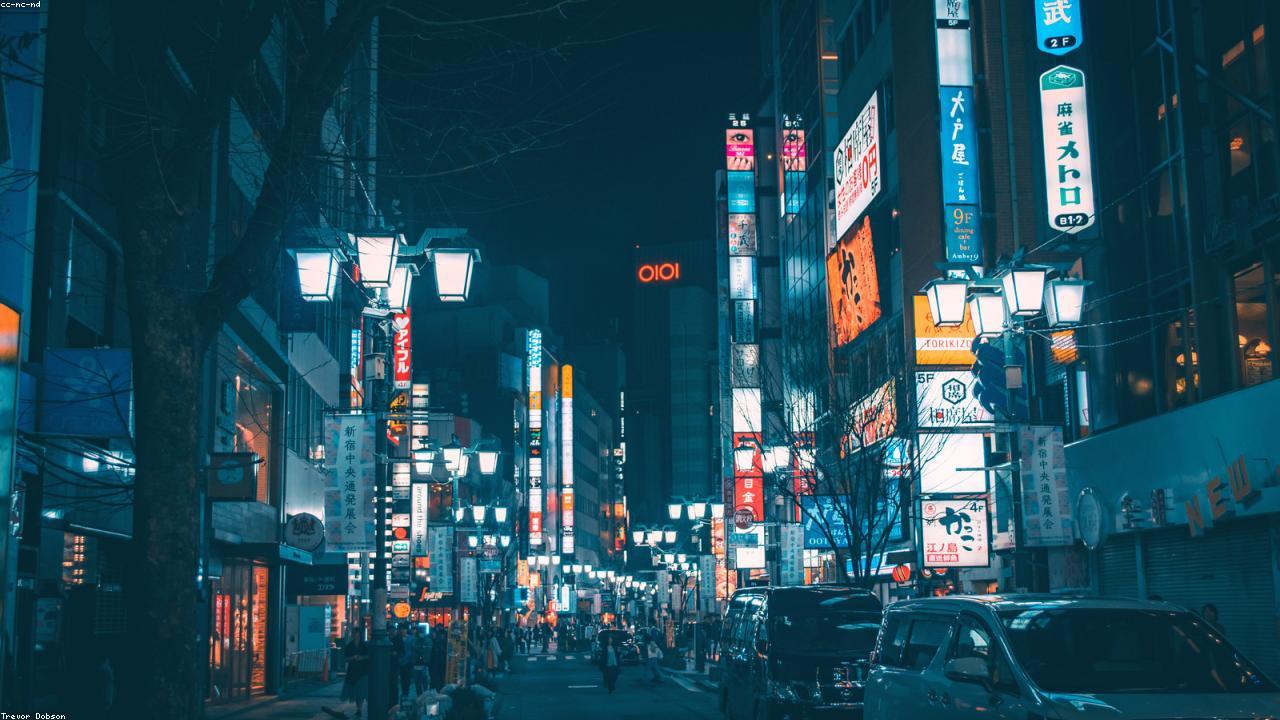
Tokyo, Japan
Tokyo, slowly: a city of thirteen million that rewards patience
August 19, 2024
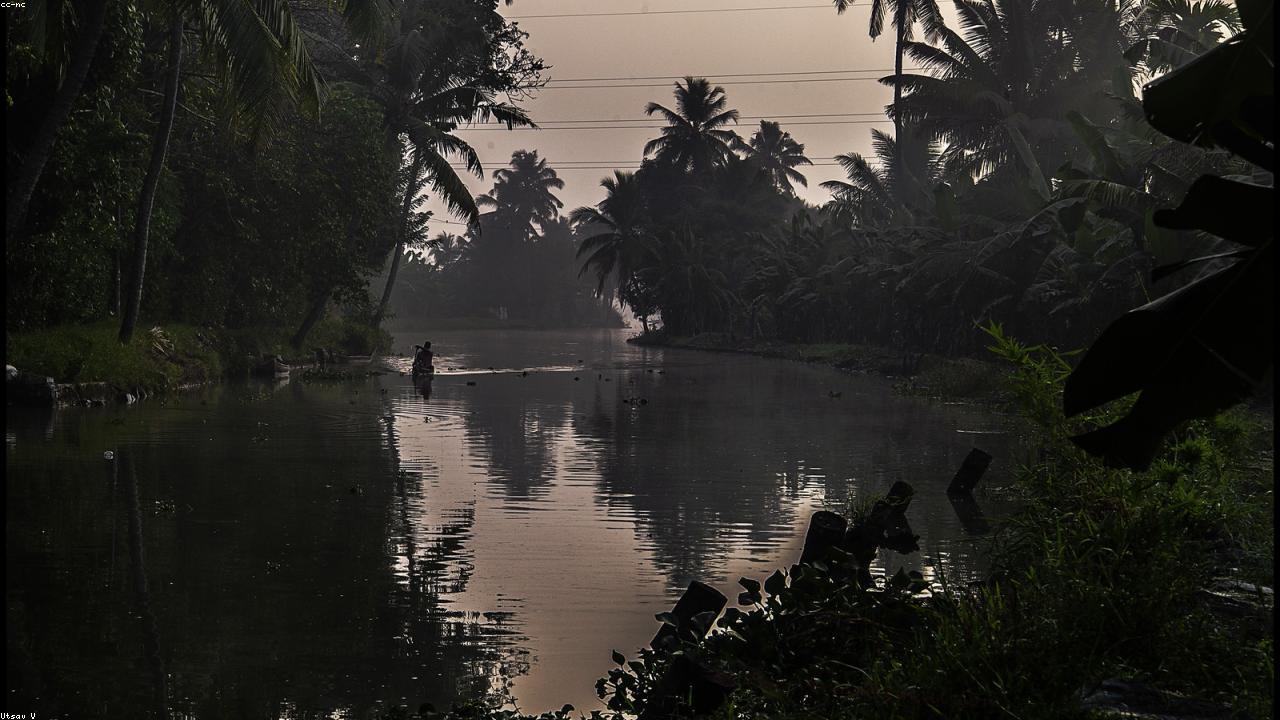
Photo: Ščenza
Kochi, India · Asia
The short list, pulled out of the long essay. No opening hours, because they change and I would only get them wrong — just what is worth your morning, roughly when to turn up, and where I have wasted time so you don’t have to.
By Ščenza
Last checked
Vasco da Gama Square, Fort KochiFirst light, or the hour before sunset
Six men to a net, cantilevered timber frames ten metres high, counterweighted with rocks slung on ropes so precisely that one man walking out along the main beam is enough to drop the whole apparatus into the water. As the tide changes depth the crews have to move between installations. The catch, most lifts, is thin — I watched four consecutive hauls produce roughly one fish and a plastic bag — and nobody operating them was remotely embarrassed, because the people standing on the seawall are now the reliable income.
Jew Town Road, MattancherryClosed Fridays, Saturdays and Jewish holidays — plan the day around that
Hand-painted eighteenth-century Chinese porcelain floor tiles, no two of them alike, under Belgian glass chandeliers, in a synagogue built in 1568. You go in barefoot and covered. The clock tower outside is eighteenth-century as well. The congregation is now very small and the street leading up to it has become an antiques bazaar, so the approach is a gauntlet of dealers calling prices at you — and then the building at the end of it is completely, unreasonably quiet.
Mattancherry, a few minutes' walk from the synagogueSame trip as Jew Town; go in the morning while it is cooler
Portuguese builders, a Dutch nickname, and a Cochin royal family who used it for coronations — the name alone carries about four centuries of Kerala's history. It was handed over around 1545 and has been a protected monument since 1951. The reason to climb the stairs is the murals: temple-tradition painting covering entire walls, dense, stylised, and in a couple of the chambers considerably franker about what the gods were doing than the guidebook prepares you for.
KB Jacob Road, Fort KochiArrive an hour before the performance, for the face-painting
Get there for the make-up rather than the play. The performers sit cross-legged building up layers of green pacha for the noble characters and red for the villains, an hour of it, in front of an audience that is allowed to watch the whole process. Then the drama itself, with no spoken word at all — everything carried in eye movement and hand gesture. Ninety minutes is about right for a first attempt. The traditional temple versions run all night and I am not going to sit here and claim I have lasted one.
Alappuzha (Alleppey), on the Vembanad backwatersDecember to February for dry weather; the monsoon if you want the green
Sleep on a converted rice barge and the entire trip reorganises itself around three kilometres an hour. There are now well over two thousand of these boats working the canals, so the decision that matters is picking a small one — two cabins, not four — and a route that runs Alappuzha towards Kollam rather than a loop back to the jetty you left. The crew cook on board. You will be awake at six whether or not you intended to be, because the canal bank starts washing, ferrying and arguing at first light.
Western Ghats, about 130 km east of KochiDecember to March; estate paths turn to mud in the monsoon
Munnar sits at around 1,600 metres and the hills are clipped into tea bushes all the way to the horizon, which is beautiful and is also a colonial monoculture, and both of those remain true at the same time. Eravikulam National Park above the town holds the Nilgiri tahr, a mountain goat that long ago concluded humans are furniture and will walk past your knees without breaking stride. The drive up from Kochi eats most of a day in hairpins. Take the motion sickness seriously, which I did not.
The long version
Kerala is the antidote to the intensity of northern India. The state is greener, slower, and structurally different — Hindu-Muslim-Christian-Jewish historic religious mix, a 100% literate population, a houseboat culture that lets you sleep on a rice barge in the canals.
Read the full essay →Tokyo, Japan
August 19, 2024
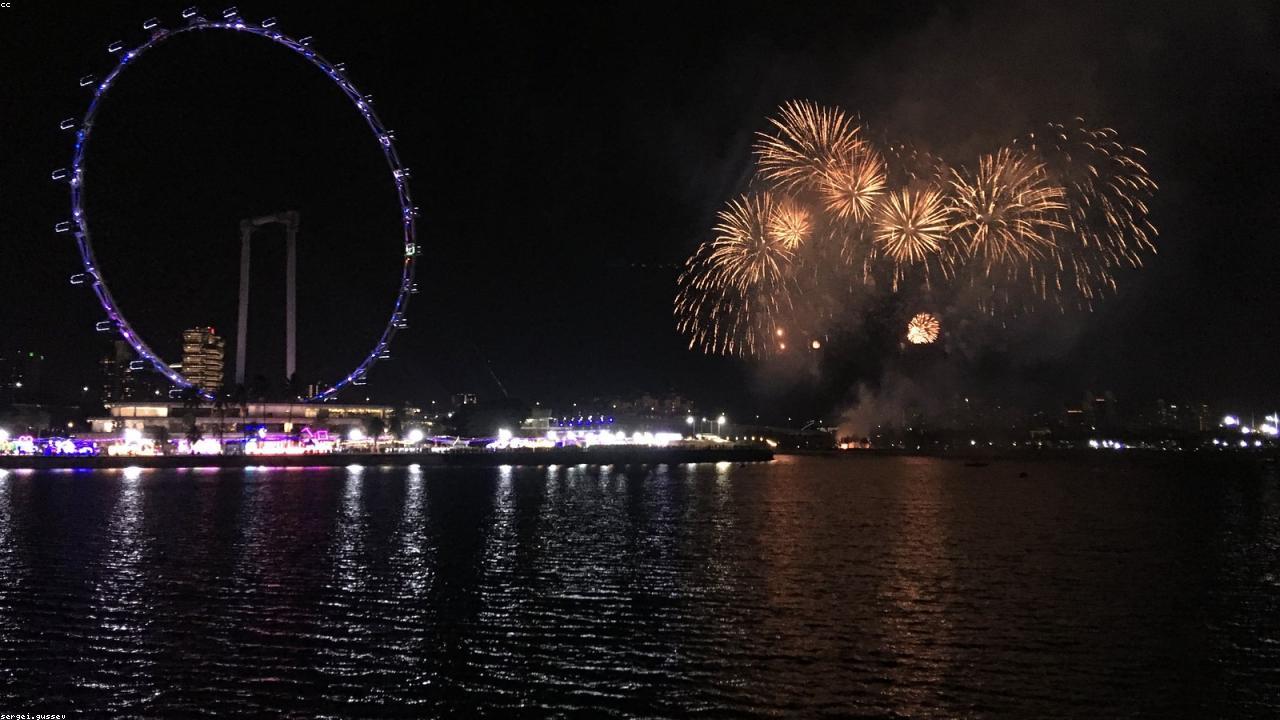
Singapore, Singapore
April 29, 2024

Seoul, South Korea
March 12, 2024