Africa
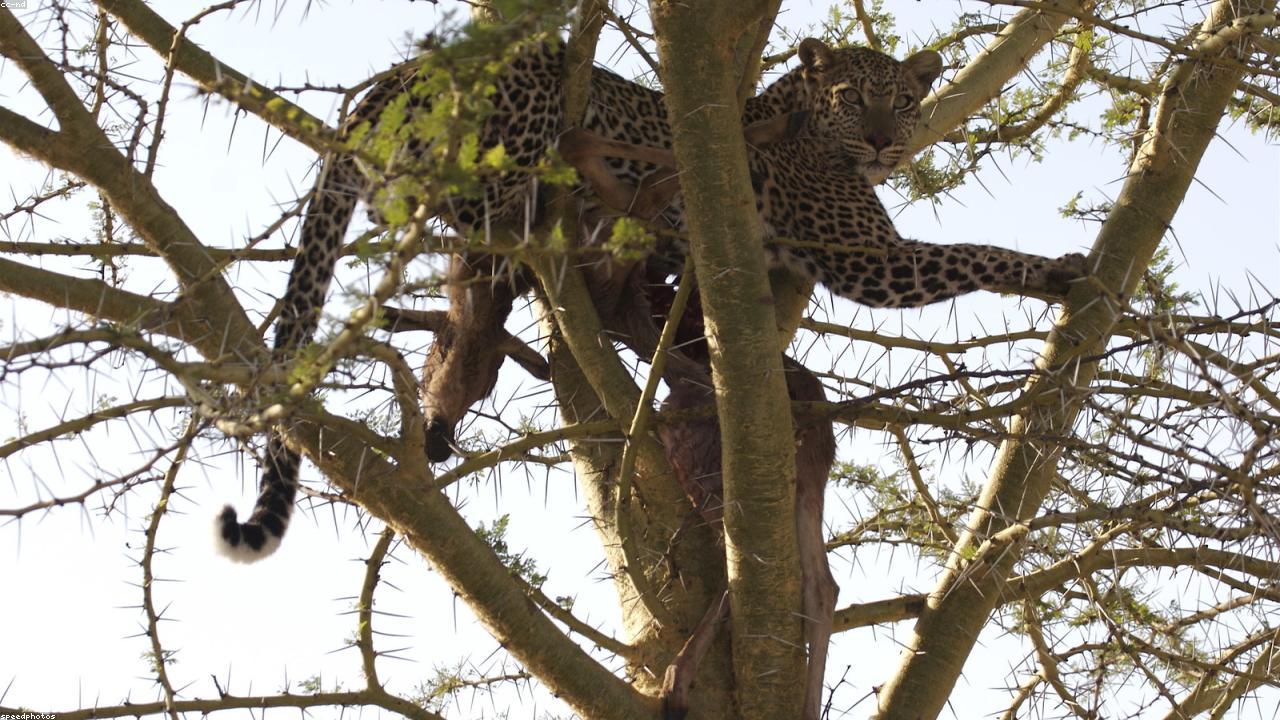
Seronera, Tanzania
Serengeti: the East African plains and the great migration
July 4, 2022
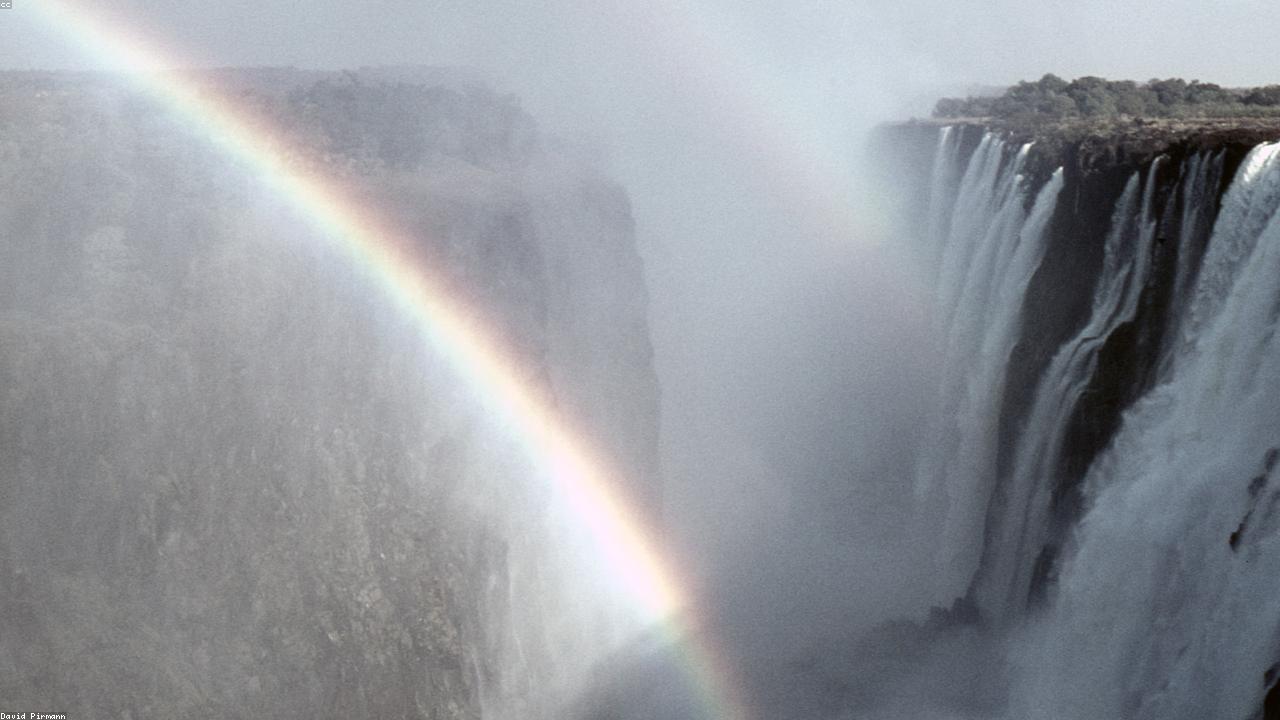
Photo: Ščenza
Livingstone, Zambia · Africa
The short list, pulled out of the long essay. No opening hours, because they change and I would only get them wrong — just what is worth your morning, roughly when to turn up, and where I have wasted time so you don’t have to.

By Ščenza
Last checked
Mosi-oa-Tunya National Park, Livingstone sideMarch to May for maximum water; expect to be soaked
The falls run one thousand seven hundred metres wide and drop a hundred and eight, and in April the Knife-Edge Bridge places you directly beneath the spray column with a clear view of absolutely nothing but white. I have never been wetter with my clothes on. A rain jacket is decorative at that time of year; take the poncho, bag the camera, surrender early. Come back in June and the same short walk hands you the actual curtain of water in daylight, which is why anyone who can manage two visits in one trip does exactly that.
On the lip of the Eastern Cataract, by boat from the Zambian bankRoughly September to December, when the river drops
A rock lip forms a slack eddy at the very edge of the drop once the water is low enough, and you swim into it and lean out over a hundred and eight metres of nothing while a guide holds your ankles. Every part of that sentence sounds like a coroner's report and the safety record says otherwise. Getting there means a boat out to Livingstone Island and a short wade. I did it, said something extremely stupid on the way in, and came out laughing at a pitch I do not otherwise use.
Between Zambia and Zimbabwe, over the Second GorgeMid-morning; carry your passport and the right visa
Built in 1904 and 1905 to George Hobson's design with Ralph Freeman running the stress calculations, a hundred and fifty-six and a half metres of steel arch carrying road, railway and a footway — and you can simply walk it, from one country into another, past the border posts. Halfway across is where the Zimbabwean panorama opens up properly. Guided tours go out along the girders beneath the deck. Above it, people pay to fall a hundred and eleven metres on an elastic rope, an activity I watched for forty minutes and then declined.
Below the falls; put in near the Boiling PotLow-water months, roughly August to December
This is the stretch that turns up on every serious list of commercial rafting, and the reason is geological: a narrow basalt gorge, enormous volume, big drops, and rapids arriving one after another with almost no flat water between them. The climb down into the gorge at the start and back out at the end is nobody's favourite hour of the trip — in that heat it is genuine work, and I was overtaken by a man carrying a raft. Low water gives you the full run. Take the safety briefing seriously; it is not a formality here.
The upstream half of the park, along the ZambeziEarly morning, year-round
Sixty-six square kilometres of park holding a small reintroduced population of southern white rhino — ten of them as of 2022, brought up from South Africa after Zambia's own were wiped out. You walk in with armed scouts and get closer than any vehicle would ever allow. It is managed, guarded and faintly artificial, and to their credit the guides say so rather than selling you a wilderness fantasy. Also giraffe, zebra, buffalo, and baboons that have worked out precisely how a zip functions.
Central Livingstone, on Mosi-oa-Tunya RoadAn hour on a hot afternoon between river days
Zambia's oldest and largest museum, opened in 1934, with the Livingstone family's own donation of his letters and journals in one gallery and Stone Age to Iron Age archaeology in another. The handwriting is what stays with you: page after cramped page from a man who was, for large parts of his career, comprehensively lost. Almost nobody comes here because everybody is down at the gorge, and after four days of adrenaline sports it was the room where I finally worked out where I actually was.
The long version
Victoria Falls (Mosi-oa-Tunya, 'the smoke that thunders' in Lozi) is 1.7 km wide and drops 108 m, with a peak-season volume that throws spray a kilometre into the sky. A guide to seeing it without rushing, and to combining it with the upper Zambezi.
Read the full essay →Seronera, Tanzania
July 4, 2022
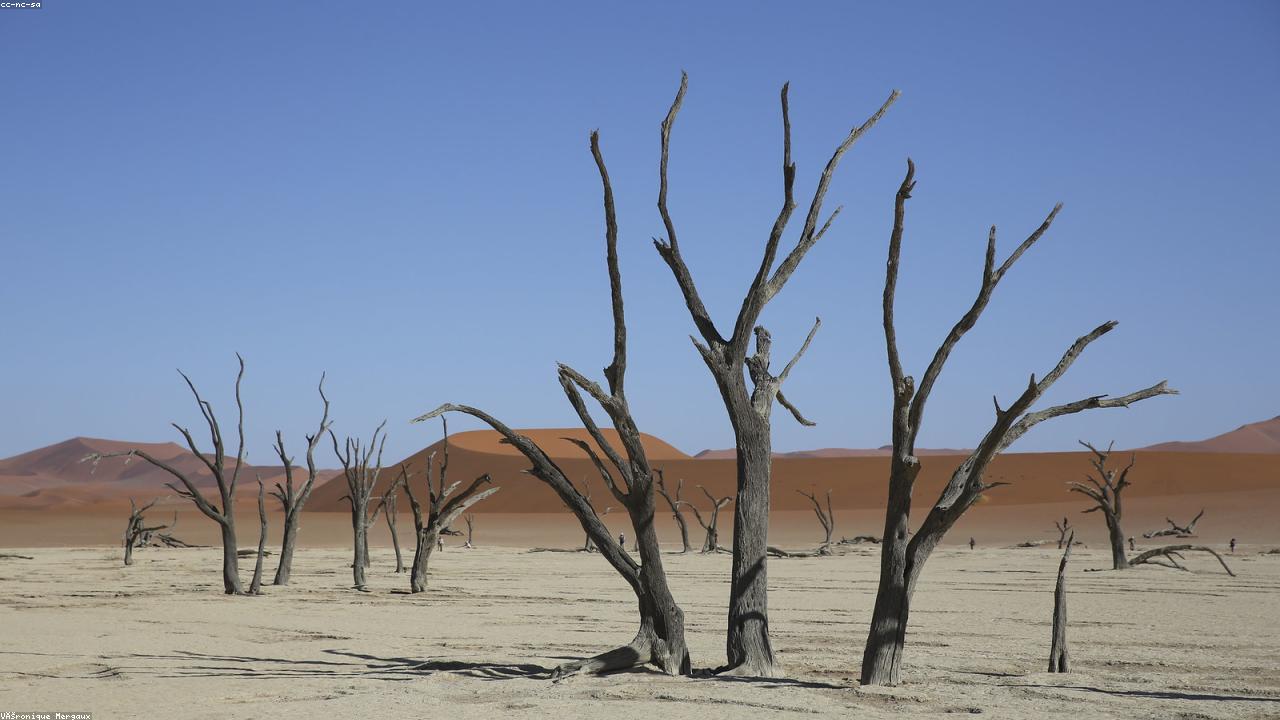
Sesriem, Namibia
October 15, 2022
Antananarivo, Madagascar
September 26, 2022