Middle East
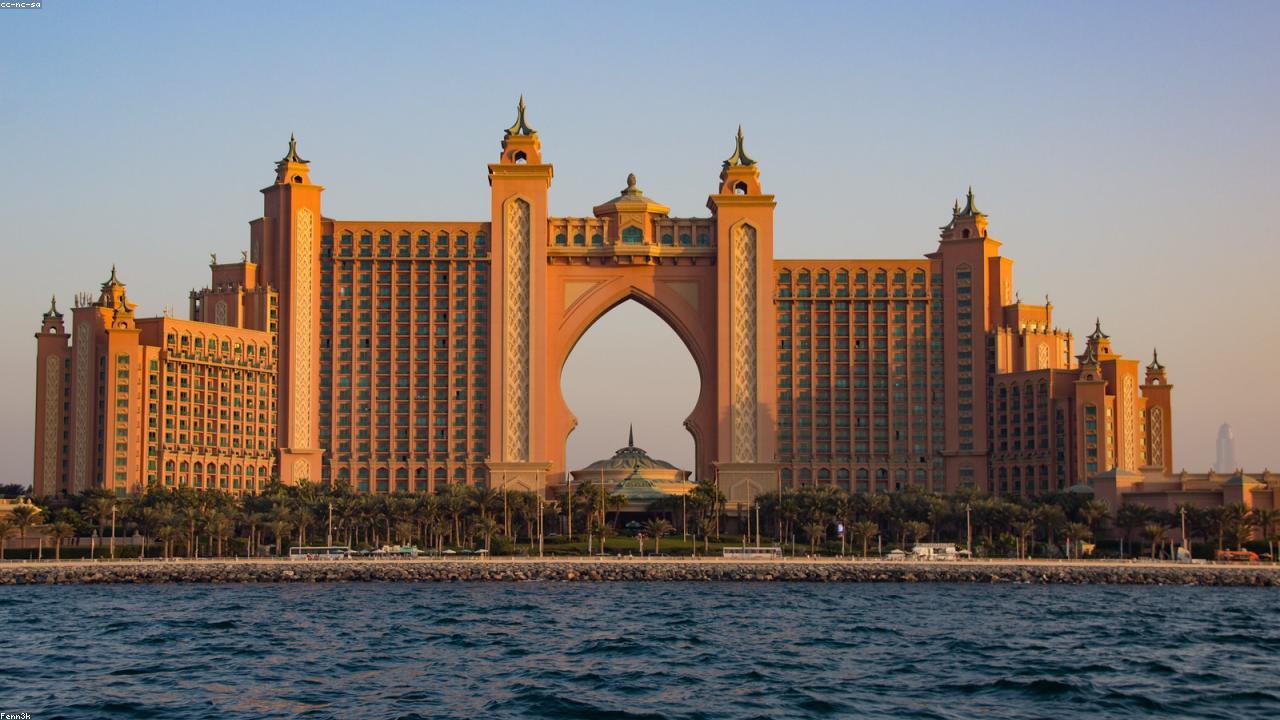
Dubai, United Arab Emirates
Dubai: the engineered city in the Gulf and the desert beyond it
March 24, 2023
Photo: Ščenza
Muscat, Oman · Middle East
The short list, pulled out of the long essay. No opening hours, because they change and I would only get them wrong — just what is worth your morning, roughly when to turn up, and where I have wasted time so you don’t have to.
By Ščenza
Last checked
Bawshar, on the highway west of the centreMornings, Saturday through Thursday, outside prayer times
Non-Muslim visitors are welcome six mornings a week, which is not something the region is uniformly good at. The prayer hall holds a single-piece carpet of 1.7 million knots that took six hundred weavers four years, under a chandelier fourteen metres tall carrying six hundred thousand crystals. Ankles and shoulders covered, headscarf for women. The courtyards are white marble in direct sun, and I did the entire visit squinting like something that had just been dug up.
Mutrah, the old port quarterAfter the late afternoon prayer, when the heat drops
Two hundred years old and known locally as Al Dhalam, the darkness, because the lanes are roofed and the sun never reaches the floor. Frankincense, silver, khanjar daggers, dishdashas, and a sales pressure that is mild by regional standards. Walk the whitewashed corniche afterwards with the dhows in the harbour and the Portuguese forts on the headland. It is roughly what our Riva would look like if we had ever enforced a building code instead of arguing about one for thirty years.
Old Muscat, opposite Al Alam PalaceTwo to three hours, before you walk the palace quarter
Opened in 2016 with fourteen galleries and none of the oil-money bombast you brace yourself for. The maritime hall and the arms and armour hall are the strong ones, and there is a serious section on Omani silverwork, a craft in which women were also smiths. It was the first museum in the Middle East to label its collection in Arabic Braille, which tells you what sort of institution it is trying to be. Go here before the forts and the rest of the country becomes legible.
The walled harbour at the eastern end of the cityFirst light, or the last hour before dark
Al Alam is the Sultan's ceremonial palace, blue and gold columns, closed to visitors and photographed from the gates by everybody including me. The two Portuguese forts on the crags either side of the inlet, Al Jalali and Al Mirani, are also closed, and are the more interesting objects: sixteenth-century, built to hold a harbour against the sea their builders had just crossed. The whole walled quarter is twenty minutes of walking and absolutely nothing is trying to sell you anything.
Shati Al QurumThe season runs roughly autumn through spring
Since opening with Turandot in 2011 the programme has swung between opera, flamenco, Indian classical and whichever orchestra is touring the Gulf that month. The building is Omani stonework and carved teak rather than a glass statement, and the audience is a real mix of Omani families and long-settled expatriates. Dress properly. I arrived in what I had convinced myself were acceptable trousers and spent the interval feeling like a man who had wandered up from the beach.
Inland, about ninety minutes southwest of MuscatFriday morning early for the livestock ring; Thursday also works
Nizwa's fort was finished in the seventeenth century around an enormous round tower built for exactly one purpose — to absorb cannon fire — with a well inside it so that a siege changes nothing. Climb it for the date palms running eight kilometres out from the town. Then the round pen beside the souq, where goats are walked in a circle by their owners while men bid, argue and drink coffee. None of it is arranged for visitors and none of it slows down because you are standing there.
The long version
Oman has chosen, deliberately, a different path from its glittering Gulf neighbours. The buildings are low-rise. The architecture is regulated to traditional Omani style. The tourism numbers are smaller. The country is, in every meaningful sense, the antidote to Dubai.
Read the full essay →