Central America
Santa Elena, Costa Rica
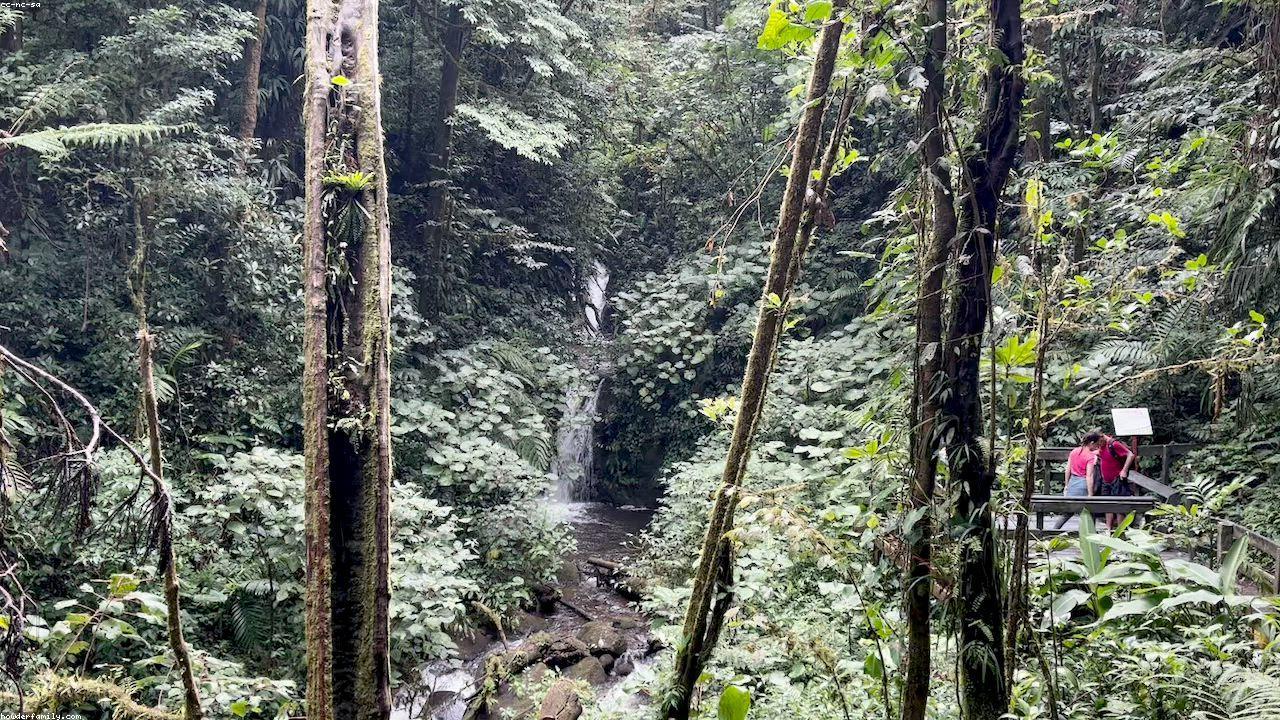
Monteverde: the cloud forest in the Costa Rican highlands
January 8, 2024
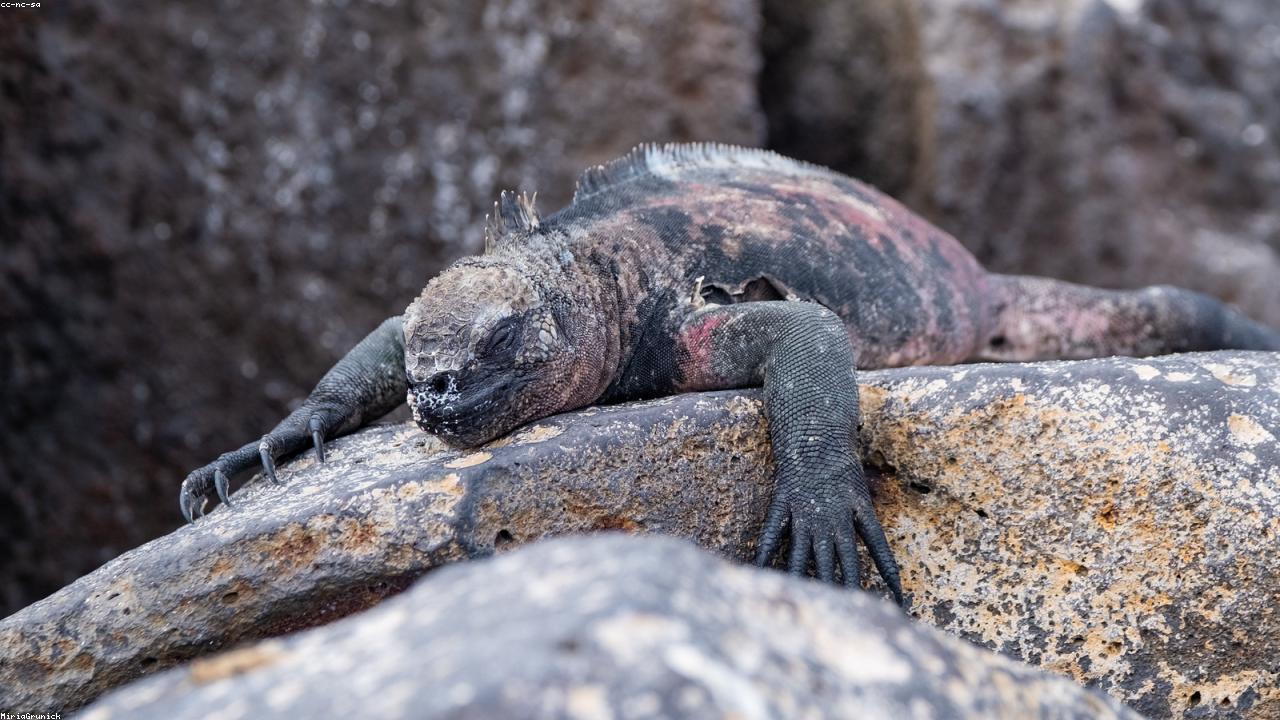
Photo: Ščenza
Puerto Ayora, Ecuador · South America
The short list, pulled out of the long essay. No opening hours, because they change and I would only get them wrong — just what is worth your morning, roughly when to turn up, and where I have wasted time so you don’t have to.

By Ščenza
Last checked
East along the shore from Puerto Ayora's main streetFirst thing, before the day boats unload
Open every day, and largely a working science campus with a visitor route threaded through it. The Fausto Llerena breeding centre is the part that matters: pens of tortoises graded by age, from things the size of a fist up to animals that were already adults when your grandparents were born. Lonesome George, the last Pinta Island tortoise, died here in 2012, and the exhibition does not soften what that means. It is a walk along the shore in full equatorial sun, which I did at midday, once, and only once.
Signed footpath west out of Puerto Ayora; sign in at the gateEarly, before the wind gets up
You cannot drive there, which is exactly why it works. A paved path runs out of town through cactus scrub and drops you onto a long white beach with surf that is not for swimming in. Keep walking to the far end and there is a mangrove lagoon where the water goes flat, marine iguanas are stacked on the rock like discarded gloves, and white-tipped reef sharks slide past in water at knee height. Nothing moves out of your way. Nothing moves out of anything's way. That is the arrangement on these islands and it takes a few days to stop finding it unnerving.
Half an hour uphill on the road towards BaltraMorning; the highlands fog over by afternoon
Half an hour up from the coast the vegetation goes green and dripping, and the giant tortoises are simply out in the fields at El Chato and Rancho Primicias, doing nothing whatsoever at enormous scale. Los Gemelos, two collapsed magma chambers either side of the road, are on the way up. So is a lava tube over two kilometres long that you walk through with a torch and a permanently insufficient headroom. I struck my head on the roof of it. The tortoises, when I got back to them, were unmoved.
Small island off Baltra, north of Santa CruzFrigatebird display is strongest in the cooler months
A two-kilometre loop over broken lava with nesting magnificent frigatebirds on one side and blue-footed boobies displaying on the path itself, refusing to move for anybody. The males inflate a scarlet throat pouch to roughly football size and then sit there looking enormously satisfied for hours at a time. The land iguanas here descend from animals moved over from Baltra in the 1930s, which went considerably better than most conservation experiments of that decade. The closest serious wildlife day out from Puerto Ayora.
Off Santiago; a long day boat from Puerto AyoraCooler season for the best penguin odds
Six hundred metres of boardwalk up a bare volcanic cone to a viewpoint at a hundred and fourteen metres, through a landscape of spatter cones and ash that looks like a planet that has not finished cooling. At the top is the photograph everybody has already seen of the Galápagos, Pinnacle Rock and two crescent bays. Snorkel off the north beach afterwards; there is a small penguin colony in a cave behind the rock, and they go past you underwater at a speed that feels like a personal remark.
From Puerto Villamil, a speedboat crossing from Santa CruzDrier months; the rim clouds over in minutes
The largest caldera in the archipelago at roughly seven by nine kilometres, and the trail runs along its rim before turning north into the lava fields left by the 2018 eruption, which are still black and still cracking underfoot. It is more often a wet, muddy walk than not, and the crater fills with cloud faster than you can get your camera out, so you are frankly gambling. Getting to Isabela at all means a two-hour speedboat crossing in open swell that I would describe, carefully, as character-forming.
The long version
The Galápagos Islands are the closest thing left on earth to an undisturbed wildlife laboratory — animals that have no significant fear of humans because, for most of their evolutionary history, they had no humans to fear. The experience is genuinely irreplaceable.
Read the full essay →Santa Elena, Costa Rica
January 8, 2024
Cairns, Australia
September 20, 2023
Uyuni, Bolivia
March 4, 2023