Oceania
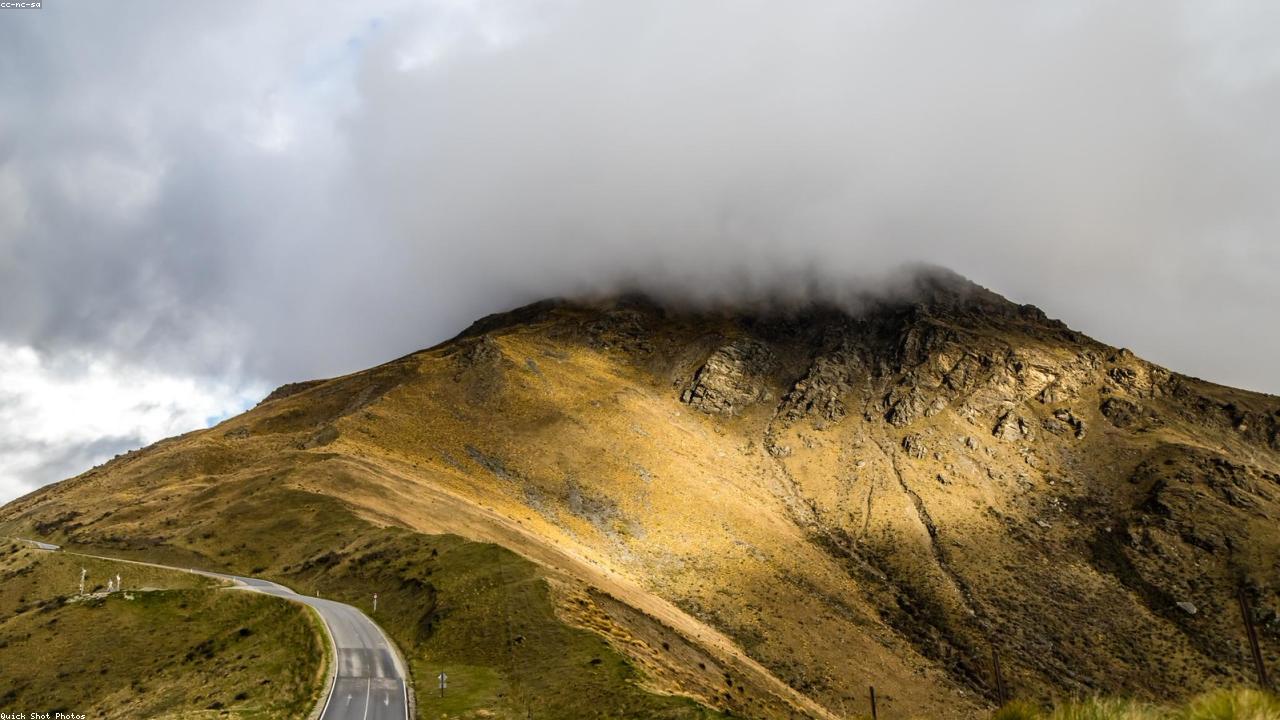
Queenstown, New Zealand
Queenstown: the New Zealand adventure capital between the lake and the peaks
December 4, 2022
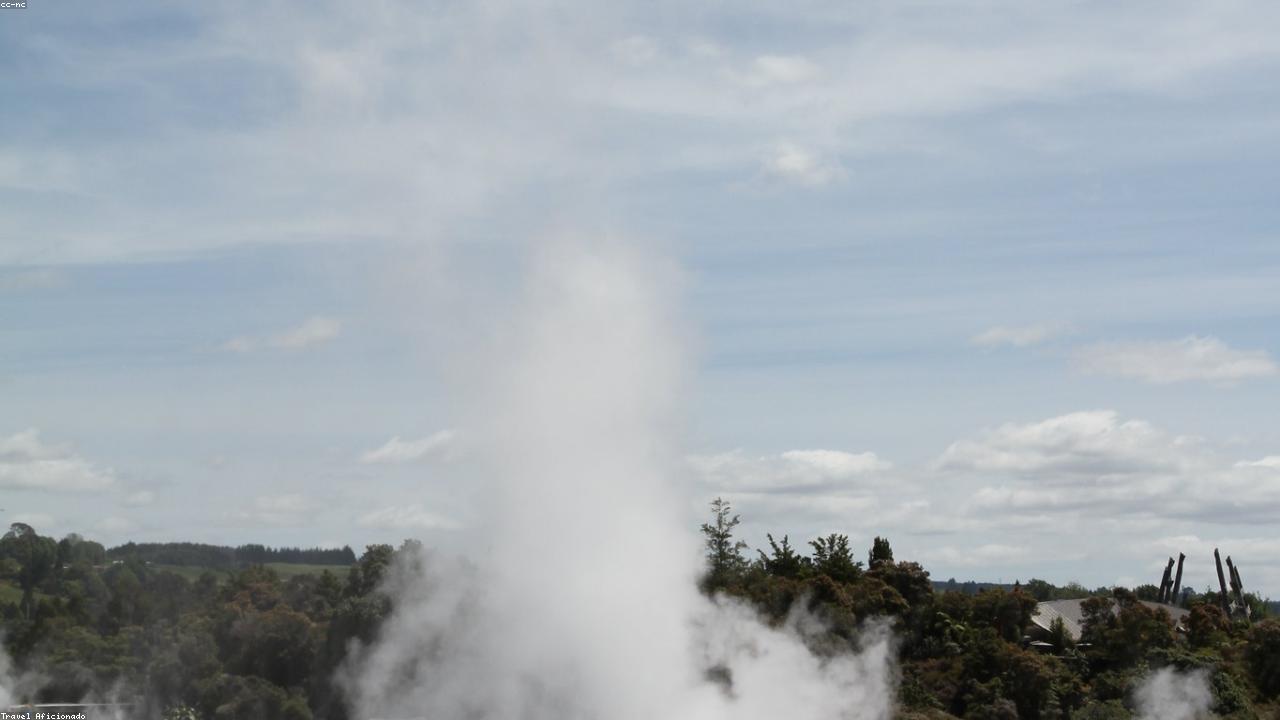
Photo: Ščenza
Rotorua, New Zealand · Oceania
The short list, pulled out of the long essay. No opening hours, because they change and I would only get them wrong — just what is worth your morning, roughly when to turn up, and where I have wasted time so you don’t have to.

By Ščenza
Last checked
Southern edge of town, in the Whakarewarewa geothermal valleyAround midday, when the steam boxes are being used for lunch
People live here, and that is the entire distinction: the guides are residents, the hot pools in the back gardens are used for laundry and for cooking corn in flax bags, and Te Pākira marae in the middle is a working marae rather than a set. You are a guest walking down somebody's street, which changes how you behave and ought to. The corn comes out of a geothermal pool tasting faintly of sulphur. I have thought about that corn more often than is reasonable for a man of my age.
Te Whakarewarewa Valley, a few minutes south of the town centrePōhutu goes roughly once an hour; give yourself the wait
Thirty metres of boiling water on a roughly hourly schedule, which sounds dependable right up until you are standing on a silica terrace in a cold wind at minute fifty-eight, suspecting you have been misled. You have not. The other half of the site is the New Zealand Māori Arts and Crafts Institute, where carving and weaving are taught as trades to students who will go on to work on actual marae. Watching a nineteen-year-old take a chisel to a slab of tōtara is much quieter than the geyser and stayed with me a good deal longer.
27 km south of Rotorua, off State Highway 5First thing; the Lady Knox geyser draws a coachload mid-morning
Champagne Pool is the one to see: a wide steaming spring with a rim of orange mineral crust that looks painted on, in a park that also contains a sulphur-yellow crater called the Devil's Bath, a colour no serious person would choose for anything. The Lady Knox geyser nearby is set off with soap flakes at an advertised hour, which reads either as genuine local history or as pure theatre depending on the mood you arrived in. I have arrived in both moods and preferred the second one.
Long Mile Road, five minutes from the town centreAny time; the canopy walkway has a lantern-lit night version
Californian coast redwoods planted in 1901 as a forestry trial, now enormous, standing over a floor of native tree ferns — a combination that exists nowhere in California and nowhere else in New Zealand. The ground-level tracks are free and beautifully graded. The suspension-bridge walkway up in the canopy is not free and earns it, particularly after dark under the timber-and-paper lanterns. Bring a layer: it is several degrees colder under those trees than in the car park, a fact I established in a T-shirt.
Ōkere Falls, about twenty minutes north of RotoruaYear-round; the river is lake-fed and does not wait for rain
Seven metres is the drop at Tutea Falls, and it is the highest waterfall commercially rafted anywhere on earth. Trips have run this gorge since 1991, so the guides have it down to a script, including the part where they tell you the raft will probably flip and then it does. Ours did. I surfaced under the upturned boat, which is precisely where they warn you that you will surface, and was hauled back in by the shoulder straps like a large and ungrateful fish. Ninety minutes on the water, most of it spent laughing.
Hinemoa Street, on the Lake Rotorua shoreAfter dark in winter, when steam is lifting off the lake
Priest Spring is the acidic one, named for a nineteenth-century Catholic priest whose arthritis it apparently sorted out; Rachel Spring is alkaline and leaves your skin feeling strange and good for a day afterwards. Both feed a run of lake-edge pools stepped by temperature, so you shuffle along until you find the hottest one you can stand and stop there. Go in July, in the dark, with sulphur in the air. It is the strongest argument I know for a town that smells the way this one does.
The long version
Rotorua smells of sulphur. The geothermal vents are throughout the town. The Māori cultural centres are the most significant in the country. The combination — natural strangeness and indigenous depth — is the reason to come.
Read the full essay →Queenstown, New Zealand
December 4, 2022
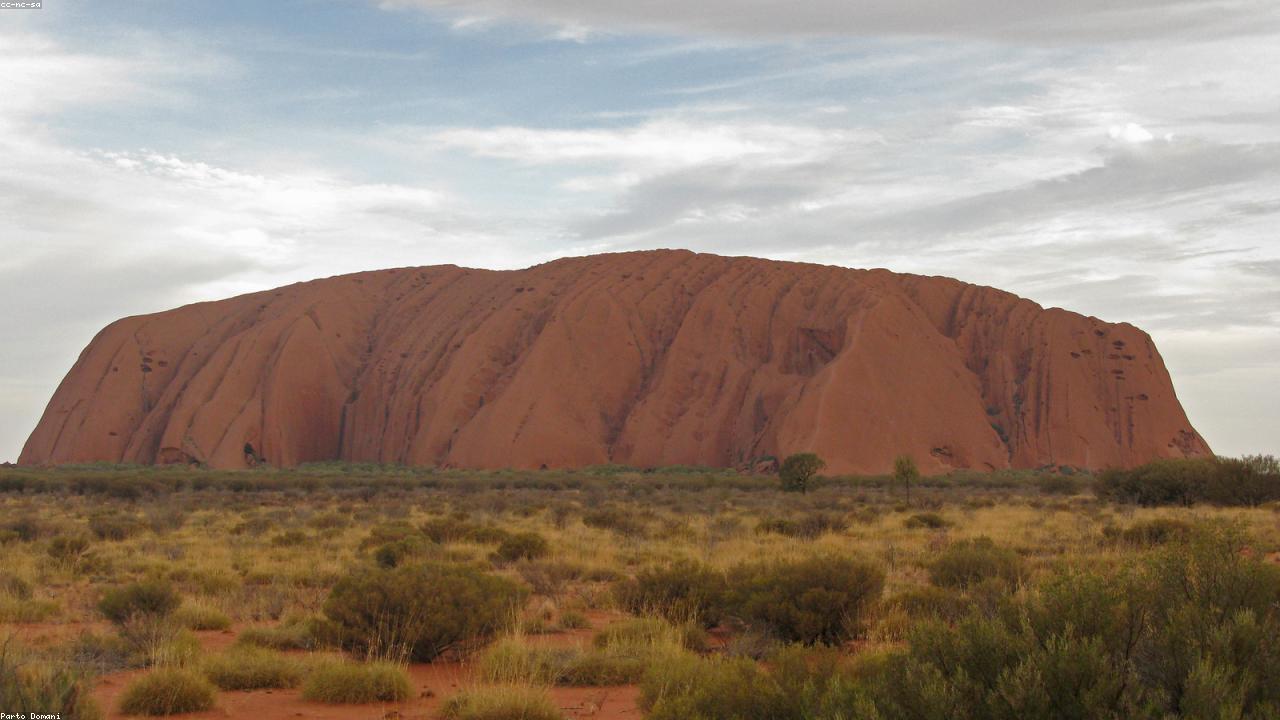
Yulara, Australia
September 24, 2022
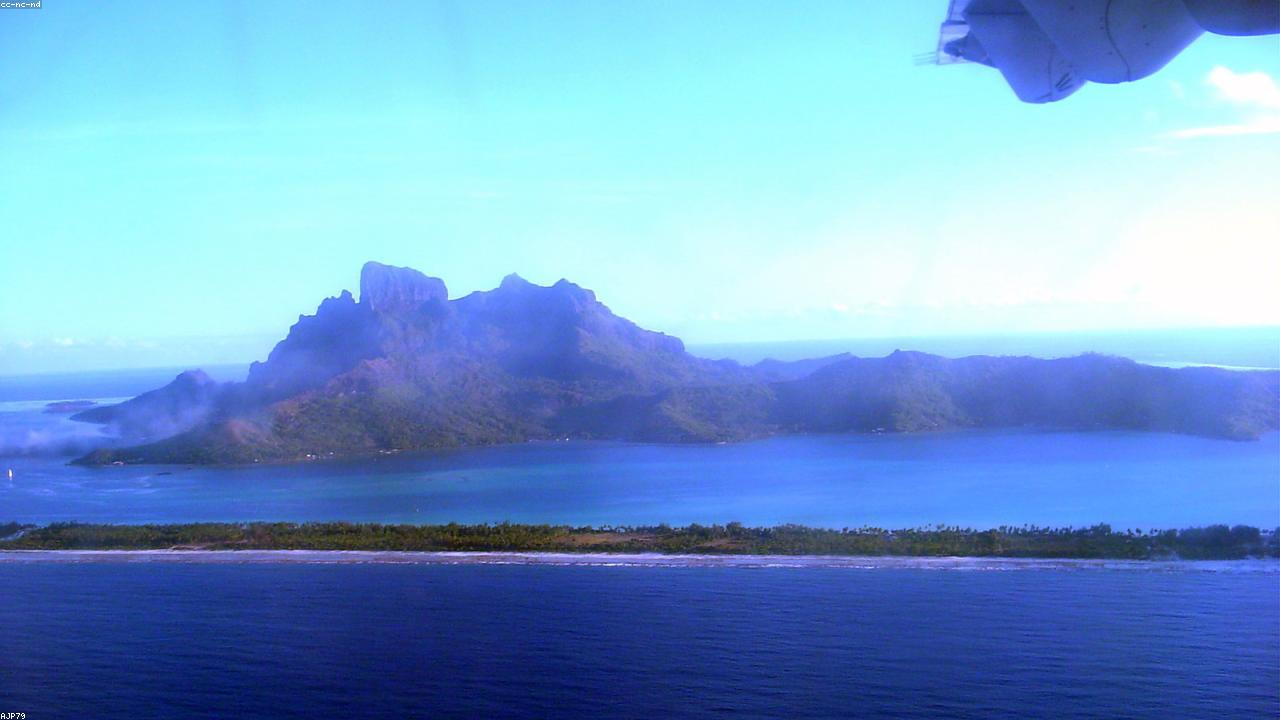
Papeete, French Polynesia
June 15, 2021