Africa
Antananarivo, Madagascar
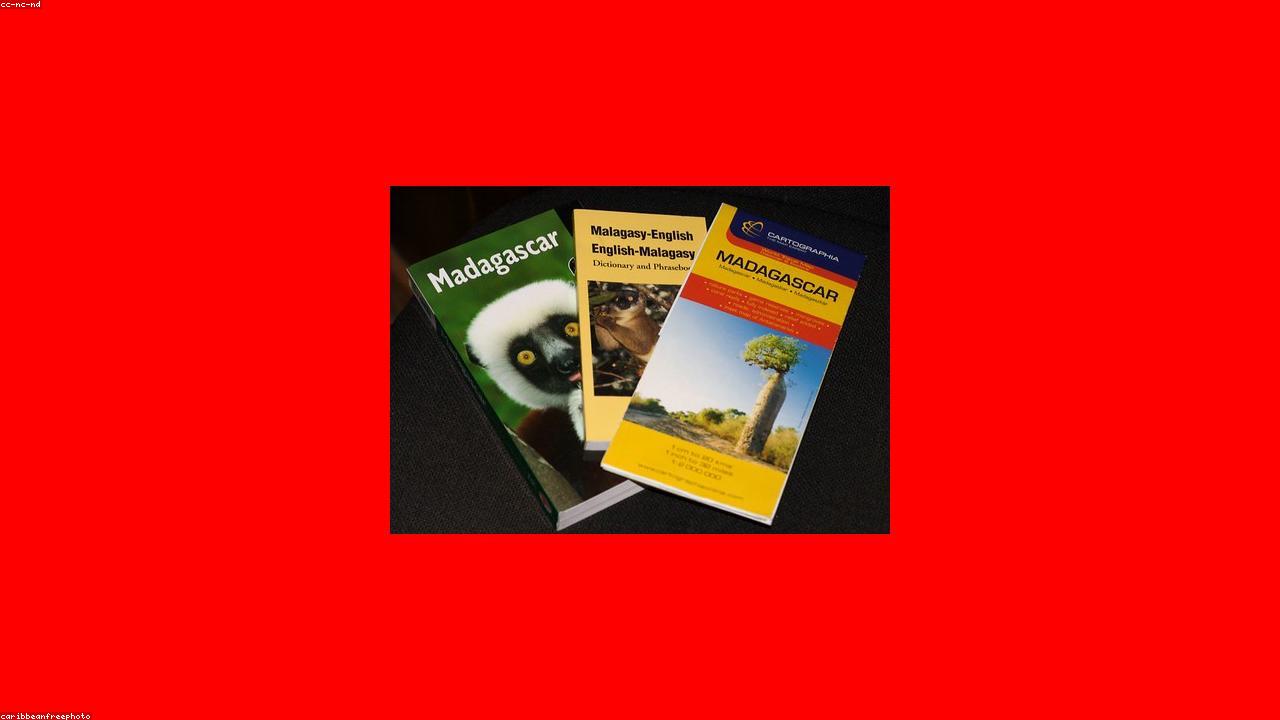
Madagascar: the eighth continent and the slow road through it
September 26, 2022
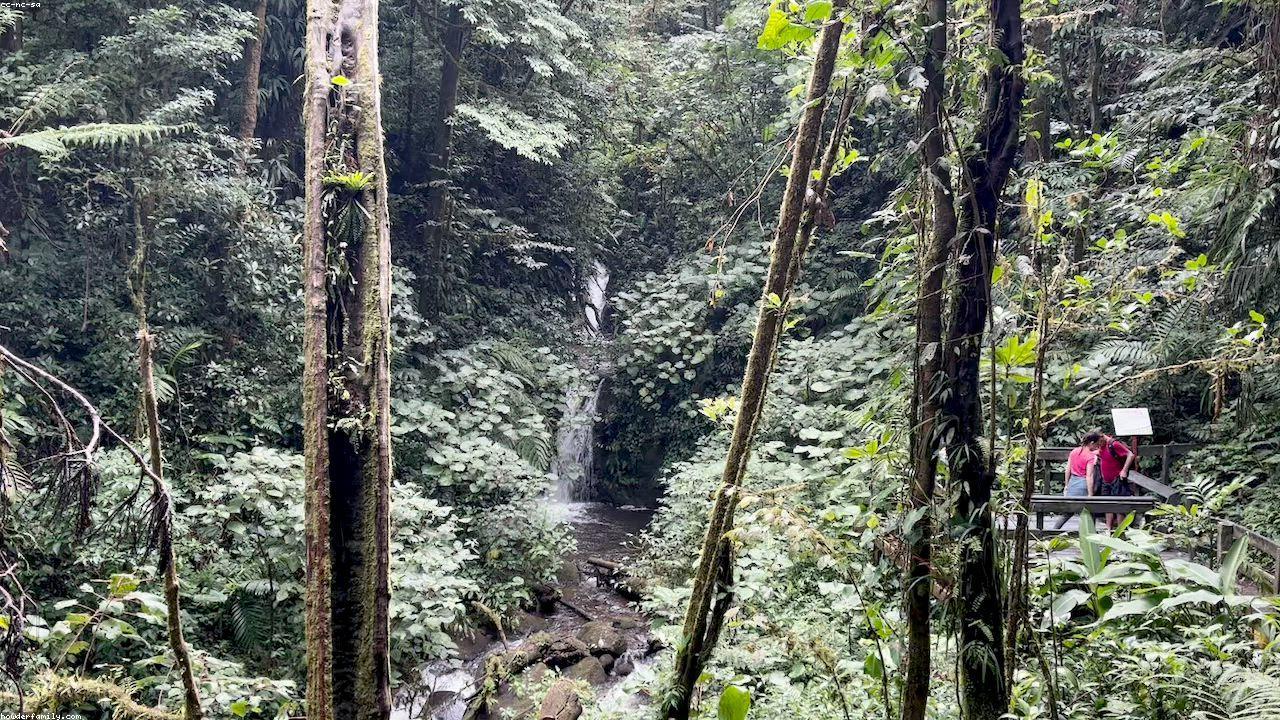
Photo: Ščenza
Santa Elena, Costa Rica · Central America
The short list, pulled out of the long essay. No opening hours, because they change and I would only get them wrong — just what is worth your morning, roughly when to turn up, and where I have wasted time so you don’t have to.

By Ščenza
Last checked
About 6 km up from Santa Elena, on the Continental DivideFirst entry; quetzal nesting runs roughly March to May
Ten thousand hectares straddling the divide, more than five hundred orchid species, four hundred birds, and mist that sits in the canopy and arrives on you as actual rain. Take a guide for the first walk. Mine stopped mid-sentence, put a scope on a branch forty metres off, and showed me a male quetzal with a tail streamer longer than my forearm that I had looked directly at twice without seeing anything at all.
Between Santa Elena and the Monteverde reserveEarly morning
A privately owned reserve with the same forest as its famous neighbour and a fraction of the boots on the trail, which matters more to birdwatching than the size of the protected area does. Quetzals nest here. So do bellbirds, motmots and a long list of things I could not have named that morning. The trails are open enough that you can get a scope on something, which in a cloud forest is not a given.
About 5 km north-east of Santa Elena townAny morning; wetter and windier than Monteverde
Leased and run by the local high school since 1992, with the entry money going back into the school — biology, tourism, technology. On a clear day the lookout hands you Arenal across the valley; on the other days, which is most of them, it hands you cloud moving through at eye level. Fewer people come. That is a fact about the road and the marketing budget, not about the forest.
Up near the Santa Elena reserveMorning, before the afternoon cloud closes in
Eight suspension bridges strung along three kilometres of trail, the longest of them 157 metres, putting you level with the epiphytes instead of squinting up at them. It is engineered, ticketed and thoroughly signposted, and none of that stops the canopy from being a genuinely different ecosystem to the forest floor. The bridges move. Everyone pretends not to mind, and nobody stops in the middle.
Children's Eternal Rainforest, run by the Monteverde Conservation LeagueDeparts at dusk; reserve ahead
The Children's Eternal Rainforest exists because a class of Swedish schoolchildren started raising money for it in the 1980s, and it is now the largest private reserve in Central America. Bajo del Tigre is its walkable corner. After dark the forest swaps species entirely — tarantulas out of their holes, birds asleep at eye level, a kinkajou overhead making a noise like a badly hung door. Torches off when the guide says off.
Santa ElenaWeekday; tours run morning and early afternoon
Quaker families arrived here from the United States in 1951, having decided that a country which had just abolished its army suited them better, and started making cheese in 1953. They also set aside the forest above their farms as watershed, which is where the whole conservation story on this mountain begins. The tour is unglamorous and the ice cream at the end is very good. As a Dalmatian I am obliged to be sceptical of anyone else's cheese; I bought some anyway.
The long version
Monteverde's cloud forest hangs in the mist along the Costa Rican Continental Divide. The air is wet. The trees are draped in mosses and bromeliads. The biodiversity, per hectare, is among the highest on earth. The cloud forest is the reason to come.
Read the full essay →Antananarivo, Madagascar
September 26, 2022
Sesriem, Namibia
October 15, 2022
Seronera, Tanzania
July 4, 2022