Africa
Marrakech, Morocco
Marrakech inside the medina: a week in the red city
November 30, 2021
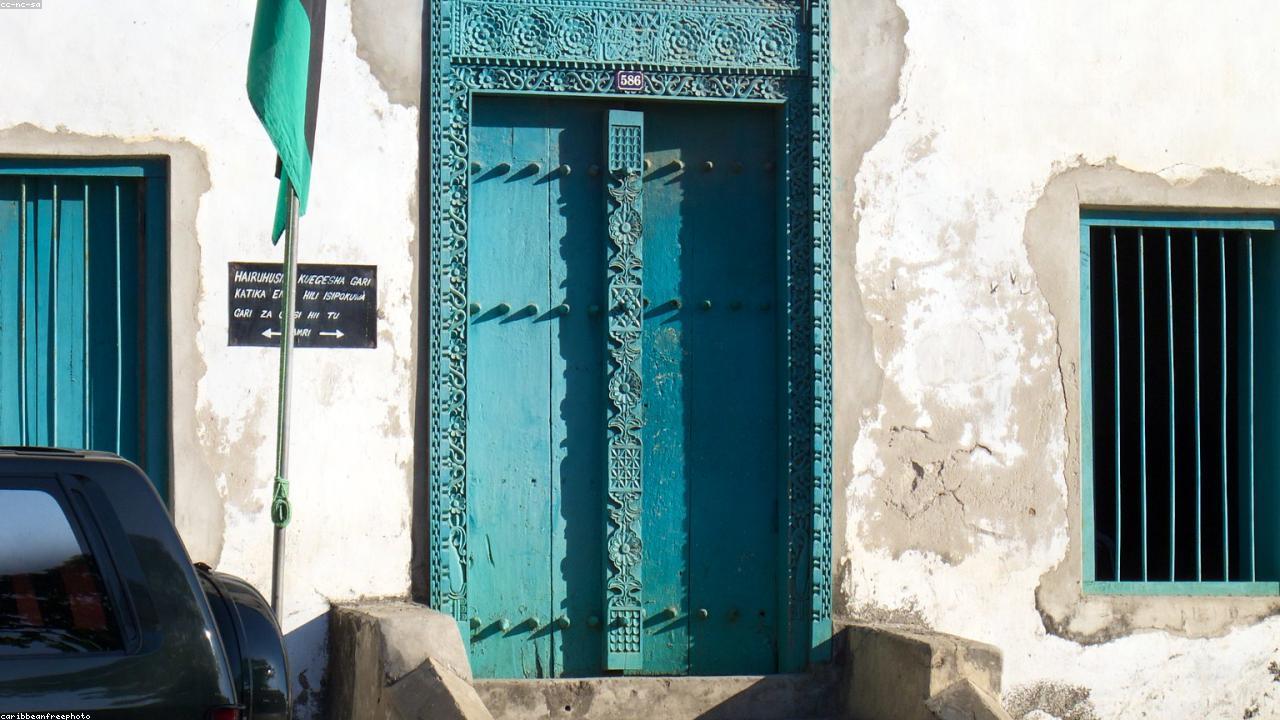
Photo: Ščenza
Stone Town, Tanzania · Africa
The short list, pulled out of the long essay. No opening hours, because they change and I would only get them wrong — just what is worth your morning, roughly when to turn up, and where I have wasted time so you don’t have to.

By Ščenza
Last checked
Stone Town, UngujaEarly morning, or after the late-afternoon prayer
Carved doors are the reason to walk slowly here — Indian-style with the brass spikes, Omani-style with the rounded top and the chain motif, several of them older than the houses they are now set into. The lanes are too narrow for cars and laid out on no grid whatsoever, and getting lost is the intended method rather than a failure of yours. Our old town has hundreds of stone door frames vanishing behind aluminium shopfronts; here the doors are protected by law. That comparison stings, and it ought to.
Mkunazini, Stone TownMorning, and give it more time than you planned
The Anglican cathedral was put up deliberately on the site of East Africa's largest slave market, opening on Christmas Day 1879, with the altar placed where the whipping post had stood. In the yard a monument sets five figures in a pit wearing real chains. Beneath the adjacent building are holding chambers you have to stoop to enter and cannot straighten up inside. I came out, sat on a wall, and did nothing for half an hour. Build that half hour into the day.
The seafront, in front of the Old FortFrom sunset
Grills come out along the seafront as the sun goes down: trays of fish and prawns and octopus, sugarcane juice pressed through a hand mangle, and the sweet-or-savoury fried thing they insist on calling Zanzibar pizza. The Aga Khan Trust rebuilt the gardens in 2009 and the place genuinely works — locals and visitors in the same crowd, which is rarer than it sounds. Nothing is priced on a board; agree the number before it reaches the plate, and accept that you will be talked into one more skewer.
North and east of Stone TownHalf a day, in the morning
Cloves, nutmeg, cinnamon, black pepper, vanilla, lemongrass — Zanzibar led the world in clove production for a long stretch of the nineteenth century, and the plantations are still out there, half an hour inland. The guides break a stem or scrape back a strip of bark and hand it to you, and you understand that you have spent your whole cooking life working with the ghosts of these things. Someone will weave you a hat out of palm leaf. Let them.
About 35 km south-east of Stone TownMorning; the monkeys feed early
Zanzibar's only national park, fifty square kilometres of it, and the last stronghold of the Zanzibar red colobus — an endemic monkey down to roughly a thousand animals. They are habituated enough that a troop will cross the road above your head while you stand underneath doing nothing useful. There is also a boardwalk through the mangroves that hardly anyone bothers with, and if you happen to prefer a tidal channel to a primate, it is the better half of the visit.
Off the north-east coast; day boats from Matemwe or NungwiNovember or March for the visibility
Mnemba island itself is private and you cannot land on it — there is a 500-metre exclusion zone and a very polite boat that will explain this to you. The reef around it is the actual draw: a marine conservation area with something like 600 species of reef fish, green turtles, and dolphins that turn up when it suits them. Go out from Matemwe rather than crossing the island for it, and go early, before the day boats stack up on the same three moorings.
The long version
Zanzibar splits cleanly in two: Stone Town, the densely woven Swahili-Arab-Indian trading city, and the white-sand beaches and spice plantations of the rest of the island. Most safari travellers tack on three nights on the beach. The better trip gives Stone Town three nights of its own.
Read the full essay →