South America
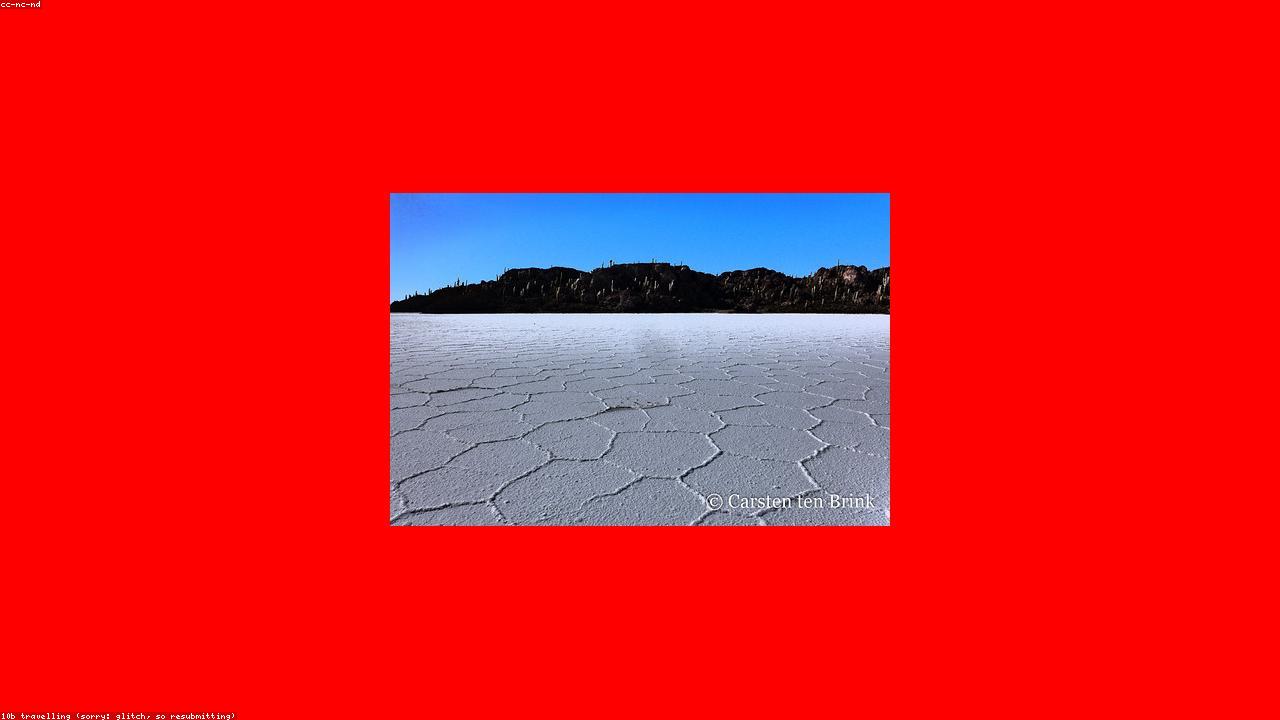
Uyuni, Bolivia
Salar de Uyuni: the white horizon and the highest desert in the world
March 4, 2023
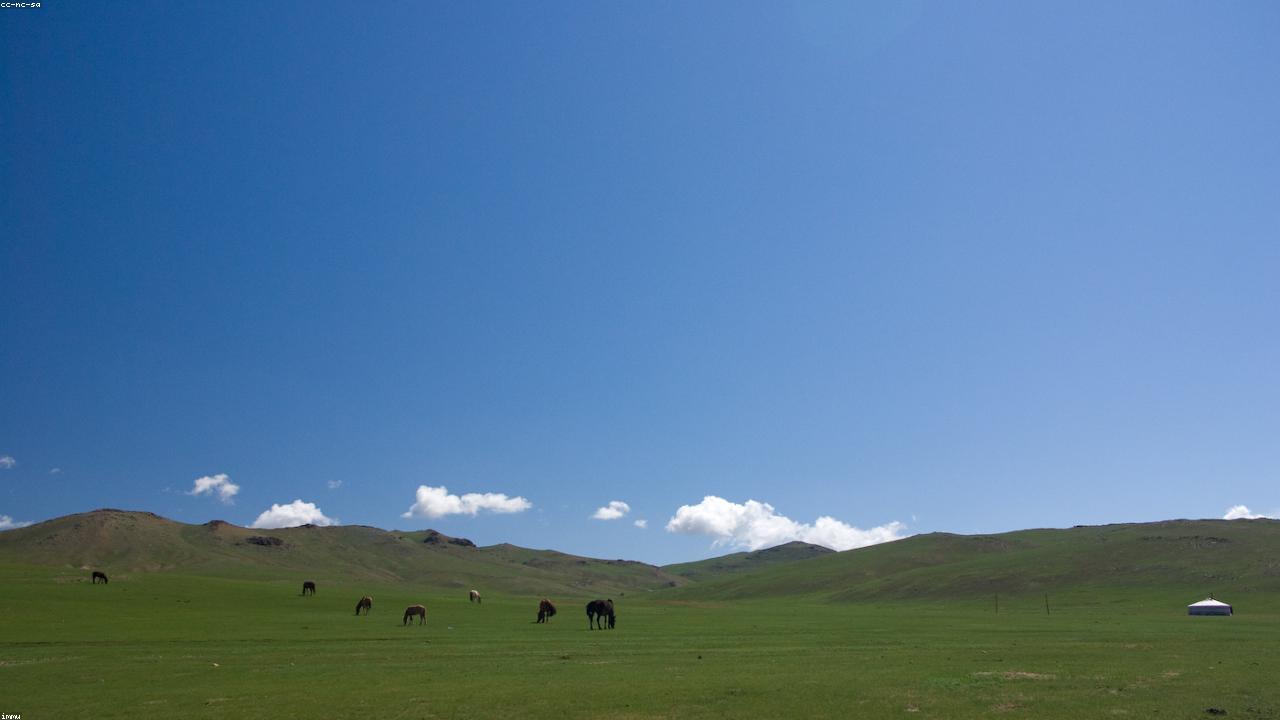
Photo: Ščenza
Ulaanbaatar, Mongolia · Asia
The short list, pulled out of the long essay. No opening hours, because they change and I would only get them wrong — just what is worth your morning, roughly when to turn up, and where I have wasted time so you don’t have to.
By Ščenza
Last checked
Bayangol district, west of central UlaanbaatarEarly morning, while the halls are in use rather than on show
Gandan was founded in 1809 and between 1944 and 1989 was the only monastery the state allowed to function, which explains the particular weight the place carries. The 26.5-metre gilded Avalokiteśvara inside was dedicated in 1996; the original was broken up in the late 1930s and is thought to have gone to Moscow to be melted down. Come while the monks are chanting and the pigeons are being fed on the steps, and stand at the back. It is a working monastery first and a sight second.
Immediately south of Sükhbaatar Square, hemmed in by glass towersOpen year-round; shorter hours in the cold months
Directly behind the office blocks of the centre stands a temple complex built between 1904 and 1908 for the State Oracle, shut down in 1937 and saved a year later by being reclassified as a museum — in that decade, a considerable piece of cunning. The cham dance masks are the reason to go: papier-mâché faces the size of a car bonnet, worn to frighten off the coming year's misfortune. The contrast with the towers over the wall is not subtle and nobody pretends it is.
The National Sports Stadium, plus the racecourse outside the city11–13 July
Wrestling, archery and horse racing, held every midsummer since long before anyone thought to sell a ticket for it. The stadium wrestling is the televised half; the racing happens out on open grass over fifteen to thirty kilometres with children riding, and the finish is a wall of dust and an enormous amount of shouting. If you can arrange to be at the racecourse rather than in the stands, do it. That is where the country actually is that week.
54 km east of Ulaanbaatar, on the road towards TereljCombine it with Gorkhi-Terelj in a single day
Forty metres of stainless steel on a colonnaded drum, put up in 2008, and you climb through the horse's chest to stand on its head and look at the grass going on forever. It is vast, mirror-bright, faintly absurd and completely sincere: three and a half million people making a statement they were forbidden from making for seventy years. I smirked at the photographs beforehand and did not smirk at all once I was standing on the horse.
About 60 km north-east; paved road nearly all the wayJune to September; the wildflowers come in late June
An easy day out of the capital: granite outcrops in a river valley, one of which genuinely does look like a turtle and another like an old man bent over a book, and enough space to walk for hours without a plan or a map. The ger camps here are the gentle version of the steppe — a bed, hot water, somebody else lighting the stove. Purists will tell you this is not the real countryside. Purists have not just come off a nine-hour flight.
About 100 km west of Ulaanbaatar, off the Kharkhorin roadDusk or first light, when the harems come down to water
Przewalski's horse — the takhi, the only horse never domesticated — went extinct in the wild and was returned to this valley from zoo stock from 1992 onwards; there are a few hundred in the park now. You watch from a distance, from a vehicle, and they look back at you like something that has read the file on humans and drawn conclusions. Take binoculars. The guides carry a pair, but you will not want to give them back.
The long version
Mongolia is, by population density, the emptiest country on earth. The steppe and the Gobi Desert stretch for thousands of kilometres of grassland and arid plain. The nomadic-herder culture, with its felt gers (yurts) and seasonal migrations, remains the country's defining cultural form.
Read the full essay →