South America
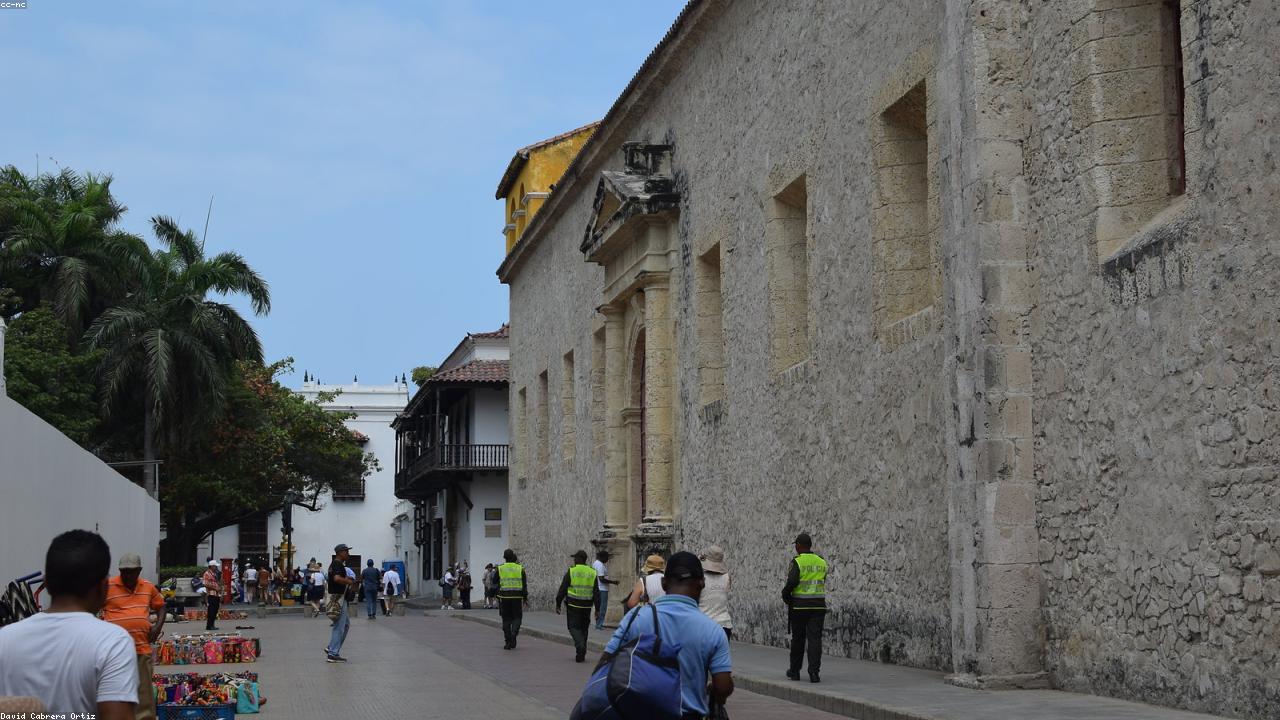
Cartagena, Colombia
Cartagena: the walled city on the Colombian Caribbean
June 4, 2023
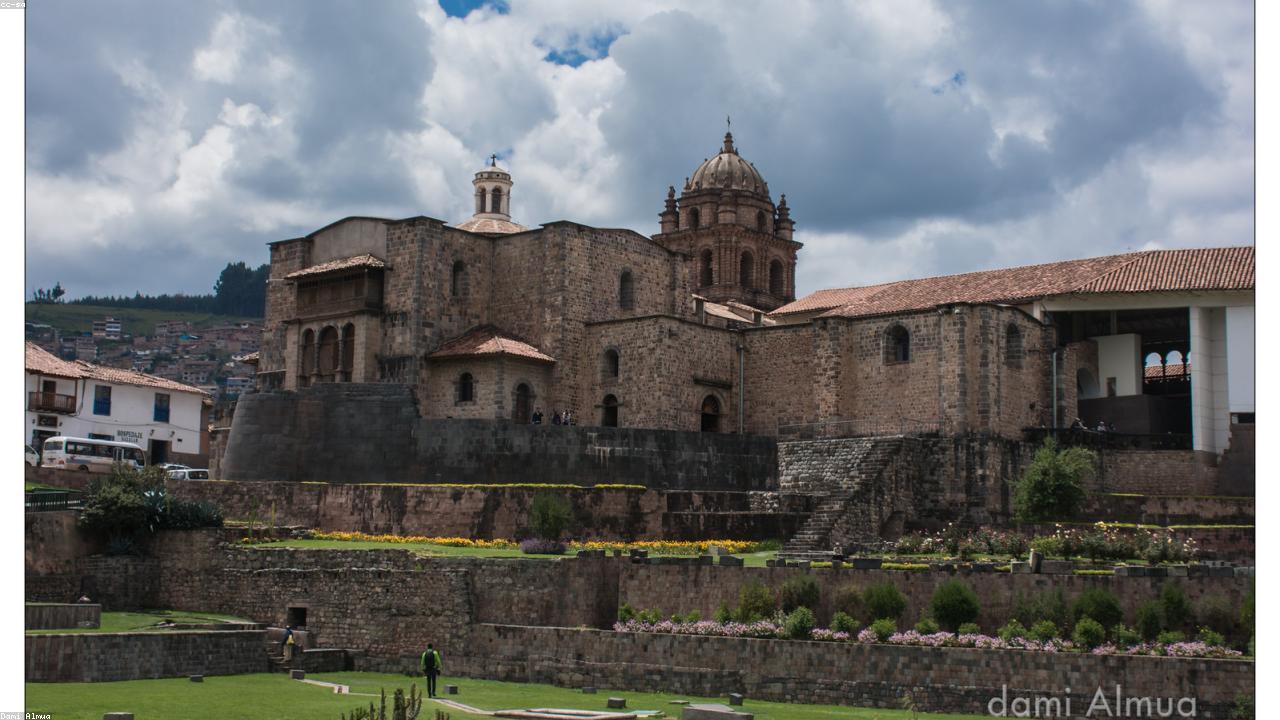
Photo: Ščenza
Cusco, Peru · South America
The short list, pulled out of the long essay. No opening hours, because they change and I would only get them wrong — just what is worth your morning, roughly when to turn up, and where I have wasted time so you don’t have to.
By Ščenza
Last checked
On the ridge above the city, half an hour uphill from the Plaza de ArmasAt opening — and not on your first day at altitude
Walk it instead of taking a taxi, but only after two days of acclimatising: the climb out of San Blas at 3,400 metres told me more about my lungs than I had asked to know. At the top are three zigzag walls, the longest around 400 metres, built from limestone blocks estimated at up to 200 tonnes and moved some 35 kilometres from Rumicolca. Nobody has fully explained the logistics. Standing at the foot of the biggest stone, you stop needing them to.
Avenida El Sol, five minutes below the Plaza de ArmasLate afternoon, once the Sacred Valley tours have gone
Under the Dominican convent of Santo Domingo is the Inca sun temple, and the point of the place is structural: earthquakes have repeatedly brought down parts of the colonial building while the Inca masonry beneath has not shifted. The curved outer wall is the finest piece of stone-cutting I have seen anywhere. We did the same thing in Split — medieval houses wedged inside Diocletian's walls, because the old work was better and nobody was mad enough to demolish it.
Plaza de ArmasMid-morning
Marcos Zapata painted it around 1753 and the platter in front of Christ holds a roast cuy. The Cusco School — indigenous painters working to Spanish commissions — kept smuggling the Andes into scripture like this, and once you have caught one you spend the rest of the cathedral hunting the next. Finding the painting took me twenty minutes. Finding the guinea pig took about four seconds.
The lane climbing from the Plaza de Armas to San BlasJust after six, before the queue for the photograph forms
At the base of the Archbishop's Palace runs a wall of Inca ashlar with one block cut to twelve corners so it locks into its neighbours without a gram of mortar. By nine there is a small crowd and a man in Inca dress posing for coins; at half past six there is the wall, wet from the night, and a dog with opinions about your presence. Keep climbing into San Blas afterwards — the workshops open early and the street is all yours.
Calle Cascaparo, beside the church of San PedroEarly, while the juice counters are still serving locals
Cusco's oldest and largest produce market, and the row to aim for is the juice stalls, where someone will build you a glass out of papaya and maracuyá and then hand over the leftover half-litre still in the jug as a matter of course. Bread is upstairs from the fruit; the soup counters are behind. I have eaten better caldo here at seven in the morning than at dinner in rooms charging twenty times as much.
Sacred Valley, roughly 50 km north-westDry season, May to September; early for the light on the pans
Four and a half thousand shallow salt pools stacked down a hillside, fed by a saline spring that was running long before the Inca, still worked by Maras families who inherit the ponds and may only sell them to a neighbour. Half an hour away, Moray's concentric terraces sink thirty metres into the plateau with as much as fifteen degrees of difference between the top ring and the bottom. Two Inca answers to two problems, and neither one looks like farming until somebody explains it.
Sacred Valley, 72 km by road, at 2,790 mOvernight, so you get the town before and after the Machu Picchu trains
Most people see Ollantaytambo for ninety minutes between a minibus and a train, and so miss that it is the best-surviving Inca town anyone still lives in, water running in the street channels as designed. Climb the terraces to the unfinished Sun Temple and its Wall of the Six Monoliths, rose rhyolite dragged from quarries five kilometres away across the river. Then cross the road and go up Pinkuylluna to the cliff storehouses: free, steep, and almost always empty.
The long version
Cusco is where the Spanish built their colonial churches and palaces directly on top of Inca stone foundations — sometimes literally using the same walls. The city at 3400 m is the gateway to Machu Picchu and the Sacred Valley, but it deserves three or four days on its own merits.
Read the full essay →Cartagena, Colombia
June 4, 2023
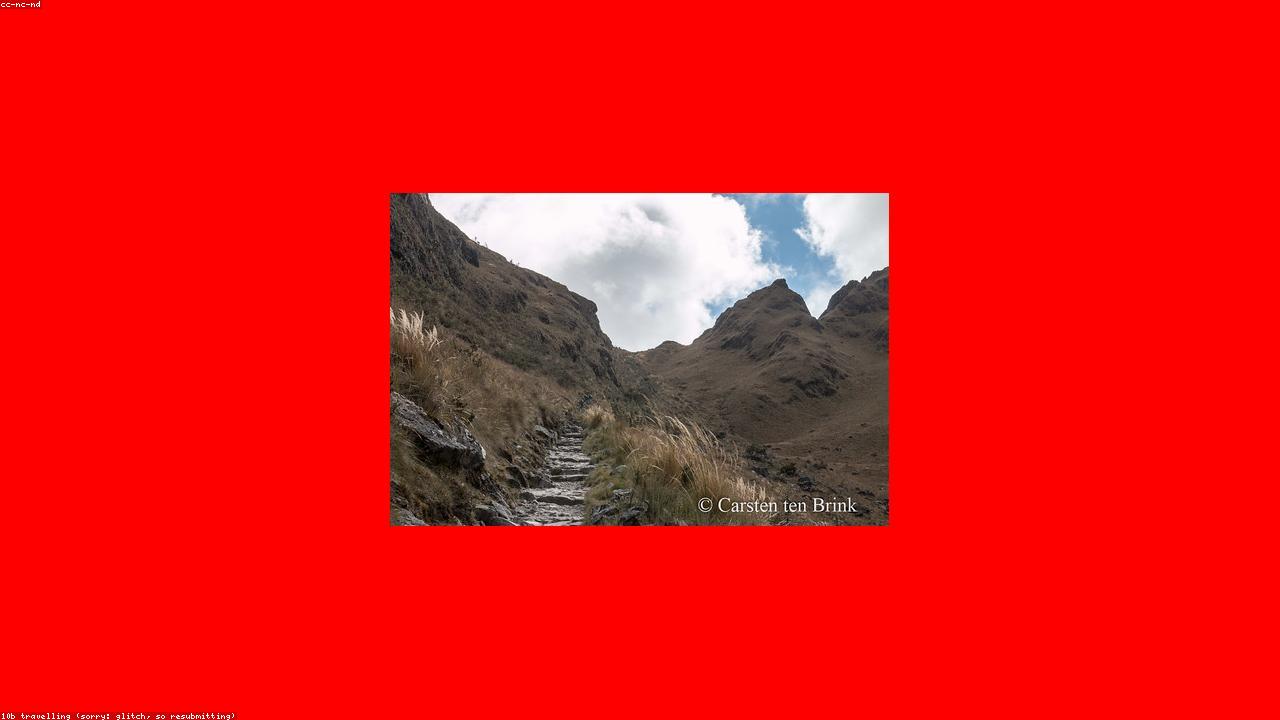
Aguas Calientes, Peru
June 12, 2022
Rio de Janeiro, Brazil
February 26, 2022