Asia
Bangkok, Thailand
Bangkok at street level: the city of dawn markets and slow evenings
December 4, 2023
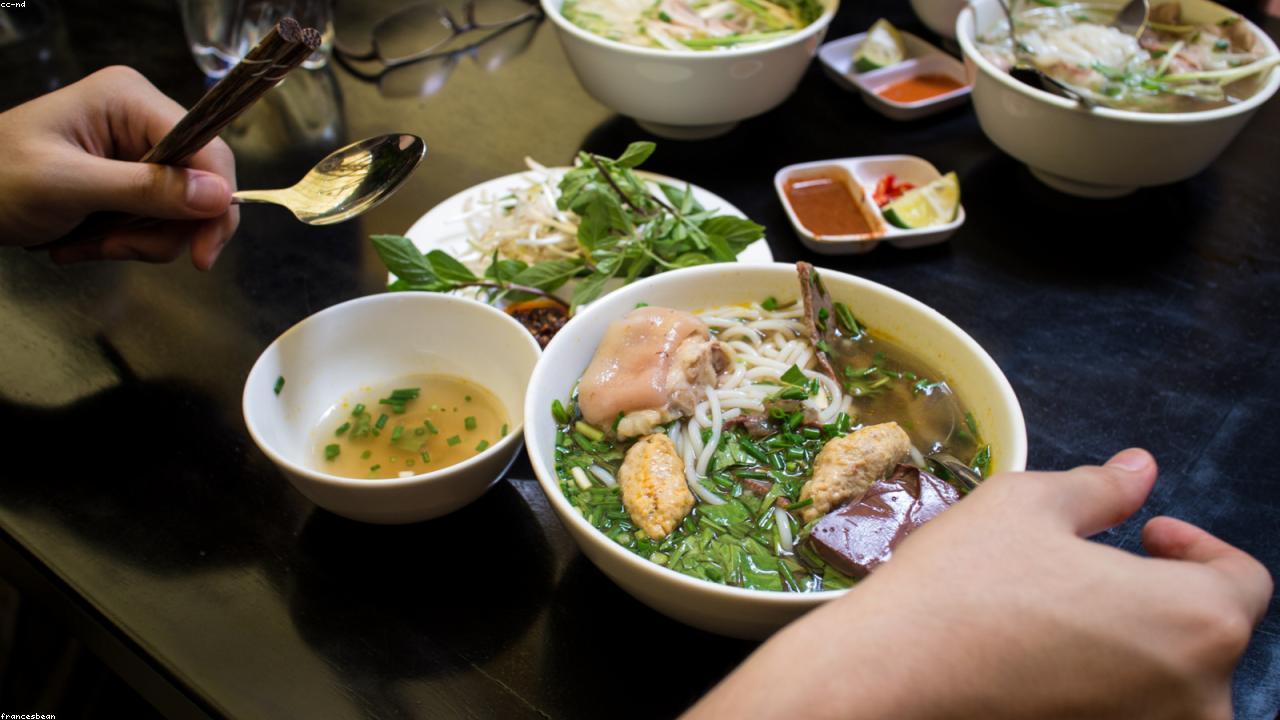
Photo: Ščenza
Hanoi, Vietnam · Asia
The short list, pulled out of the long essay. No opening hours, because they change and I would only get them wrong — just what is worth your morning, roughly when to turn up, and where I have wasted time so you don’t have to.
By Ščenza
Last checked
North of Hoan Kiem LakeBetween five and seven in the morning
Thirty-six streets, each named for what it once sold — Hàng Bạc for silver, Hàng Mã for paper offerings, Hàng Thiếc for tin — and a good few still doing it, with a man cutting sheet metal on the pavement at half past five. The traffic is at its thinnest and the broth pots have been on since long before that. By seven it is finished and the city is fully awake. I have never once managed this two mornings running.
Central HanoiDawn; the ring of streets closes to traffic Friday evening to Sunday night
One point eight kilometres round, the Turtle Tower on its islet, and the red Huc Bridge over to Ngoc Son temple. At dawn the path belongs to tai chi groups, badminton doubles and, one memorable morning, a ballroom class working through a foxtrot to Vietnamese pop from a speaker the size of a suitcase. From Friday evening the surrounding streets close to motorbikes entirely, which is when you learn how loud this city normally is.
Văn Miếu, west of the Old QuarterOpening hour, or the last of the afternoon
Founded in 1070, with Vietnam's first university attached six years later and running until 1779. Five courtyards, and in the third, 82 surviving stone tablets riding on the backs of stone tortoises, first commissioned in 1484 and carrying the names of 1,307 examination graduates. Students still come here before their exams and touch things they have been asked not to touch. The courtyards are the quietest ground in central Hanoi.
Hoàng Diệu Street, Ba ĐìnhLate afternoon; pairs with the Ho Chi Minh complex next door
Thirteen centuries of political power on one site, dug into only since 2002 and still producing — palace foundations, wells, ceramics, layer beneath layer beneath a lawn. UNESCO listed it in 2010. Most visitors give the afternoon to the mausoleum next door instead, which leaves the citadel's courtyards close to empty, and I once sat on a wall there for an hour without anyone trying to sell me anything, which in this district is close to a miracle.
Hỏa Lò Street, French QuarterWeekend evenings for the Sacred Night programme
The French built it as Maison Centrale to hold Vietnamese political prisoners; the American pilots held here decades later gave it the sardonic nickname the Hanoi Hilton. The guillotine is still standing in its room. The museum tells the story firmly from the Vietnamese side, and it is better to walk in expecting that than to be surprised by it halfway round. The weekend evening programme is theatrical and needs booking; the daytime visit is quieter and no lighter.
Nguyễn Hữu Huân, Hoàn KiếmMid-morning, upstairs
Nguyễn Văn Giảng was a bartender at the Metropole, and in 1946, short of fresh milk, he whipped egg yolk into coffee instead. The family still makes it the same way, up an alley and a staircase built for smaller people than me. It arrives in a small glass standing in a bowl of hot water, tastes like warm tiramisu, and is the only sweet thing I will drink before noon.
Ninh Bình, about two hours southA full day; go midweek
Limestone karsts rising straight out of flooded paddy, and a small metal boat threaded through low caves — some low enough that you lie back on the bench — by a woman rowing with her feet, which is how it is done here and looks impossible until roughly the third stroke. Tam Cốc is the shorter, more famous route; Trang An's is longer and goes through more caves. Either way it eats the day, and either way you tip the rower properly.
The long version
Hanoi is a city of small plastic stools. They are on every pavement. They appear at dawn, around the noodle carts, and disappear at midnight, after the last beer. They are how you eat in this city. They are how you watch the city. Get comfortable on them.
Read the full essay →