Asia
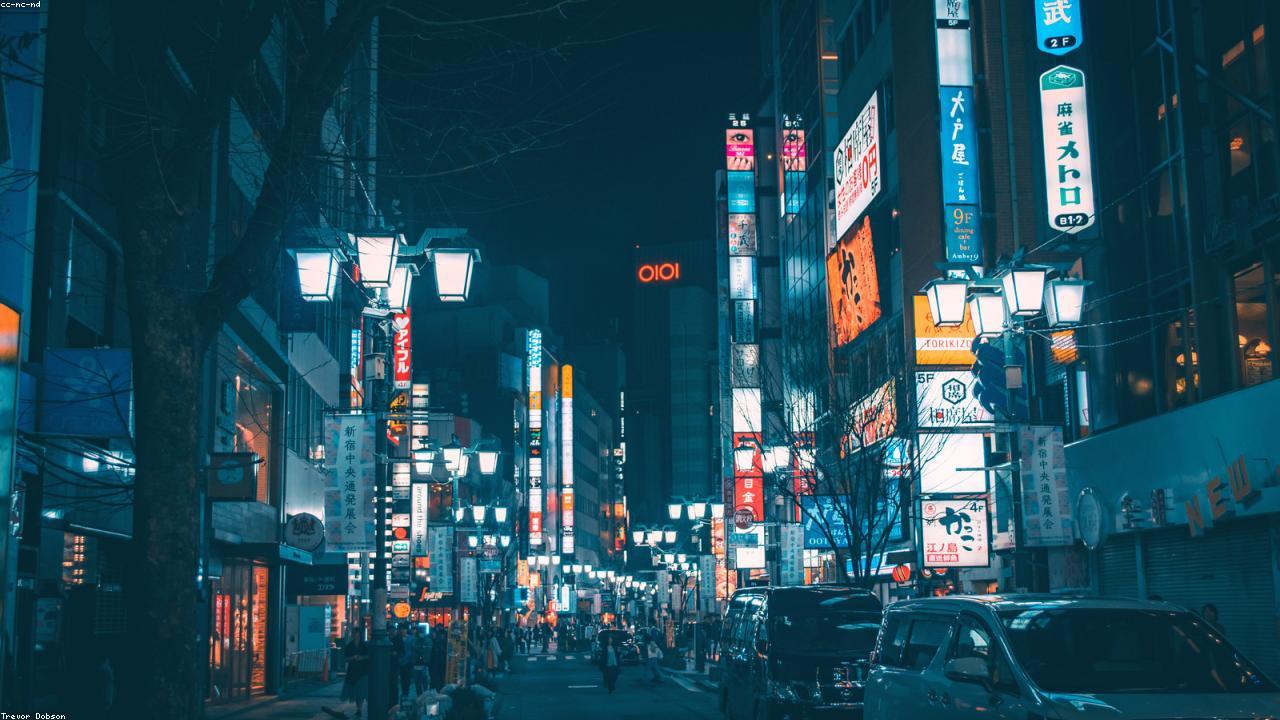
Tokyo, Japan
Tokyo, slowly: a city of thirteen million that rewards patience
August 19, 2024
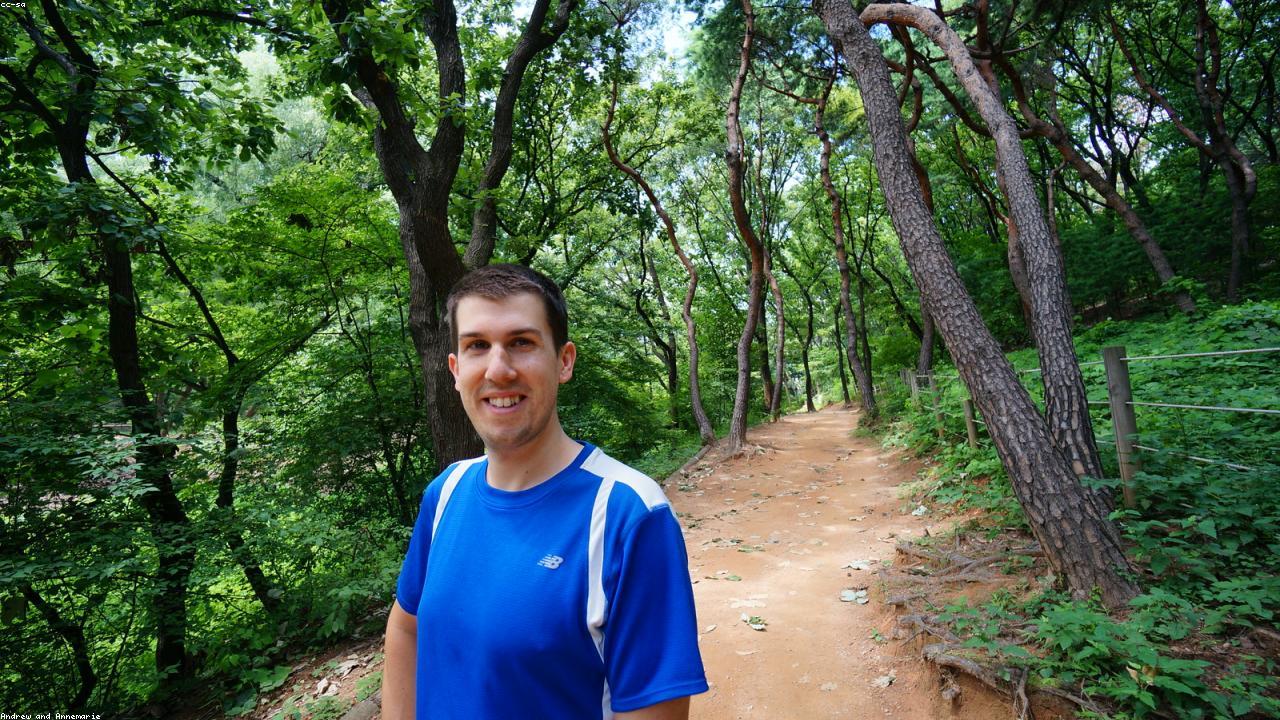
Photo: Ščenza
Seoul, South Korea · Asia
The short list, pulled out of the long essay. No opening hours, because they change and I would only get them wrong — just what is worth your morning, roughly when to turn up, and where I have wasted time so you don’t have to.
By Ščenza
Last checked
Jongno, at the head of Sejong-daeroFirst hour of the day
The Joseon dynasty's first palace, founded in 1395, burned in the 1590s, rebuilt from 1865 and knocked about repeatedly since — what stands is a reconstruction and nobody here pretends otherwise. The changing-of-the-guard reenactment has only run since 2002 and is enjoyable in the way a good brass band is enjoyable. Entry is free if you are wearing a rented hanbok, which about 1.8 million people managed in 2024, so expect half the courtyard to be dressed considerably better than you.
Between Gyeongbokgung and ChangdeokgungDaytime only; the main lane is closed to visitors outside set hours
Six thousand people still live in these hanok, and after several years of six-million-visitor seasons the district fenced the day in: since late 2024 the main lane is open to tourists for a fixed window and shut to us the rest of the time. That is a reasonable trade, and the old guidebook habit of telling people to come at dawn — a sentence I have written myself about other places — is now simply wrong here. Come in the window, keep the group small, do not photograph through anyone's gate.
The Naksan or Inwangsan stretchesLate afternoon into dusk
Begun in 1395 around the old capital, demolished in long stretches under the colonial administration, and still climbing over the hills between the surviving gates. Naksan is the gentle section, threading through a residential hillside; Inwangsan is steeper and gives you the whole basin at once. There is a stamp book for people who finish things. I am not one of them, and I still did three sections.
Jongno, a block up from the CheonggyecheonLate evening
Open since 1905, the first Korean market to trade every day of the week, and the food alley through the middle of it is now on television in about forty countries. It is busier than it was and the stall aunties have heard every line. It is still the right thing to be doing at eleven at night: bindae-tteok straight off the griddle, mayak gimbap, a bowl of something you point at. Sit at the counter. Standing to eat marks you out faster than the accent does.
The big 24-hour ones cluster around Yongsan and Seoul StationIn after the last train, out with the first
Wash first, properly, in the gender-separated bathing hall — this is not optional and there is no comfortable way to be told about it. Then put on the issued shorts and t-shirt and go up to the shared floor: kiln rooms at wildly different temperatures, heated floor, sweet rice drink, baked eggs, and rows of Koreans asleep on mats. I once slept eleven hours in one and woke to a man doing sit-ups beside my head. With our Roman baths and the springs at Solin, Split should have had this for two thousand years.
Samseong-dong, GangnamEarly evening; the temple stay is bookable
A temple founded in 794, sitting directly across the road from a shopping and convention complex the size of a district, with a stone Maitreya standing over the car parks. The juxtaposition is the whole experience and Seoul does not find it remarkable in the slightest. Monks chant, delivery scooters idle, the towers come on. The temple runs overnight stays with a four in the morning start, which I have not done and keep announcing I will.
From Gwanghwamun east through JongnoEvening, and especially in the August heat
There was an elevated motorway over this stream until 2003. The city took it down, spent something north of 280 million dollars, pumped water back into the channel from the Han, and got eleven kilometres of walkable water running three to six degrees cooler than the road four blocks north. It is not natural and it makes no attempt to pretend. Every coastal city still arguing about its seafront road should be made to walk it once.
The long version
Seoul is most itself between 10 p.m. and 2 a.m. The bbq restaurants are at full smoke. The streets in Hongdae and Itaewon are full of office workers on a third bottle of soju. The 24-hour everything is open. The city that took ten years to be discovered by Western tourists became, almost overnight, the most influential cultural city in East Asia.
Read the full essay →Tokyo, Japan
August 19, 2024
Singapore, Singapore
April 29, 2024
Bangkok, Thailand
December 4, 2023