Asia
Singapore, Singapore
Singapore: the small city-state that gets the small things right
April 29, 2024
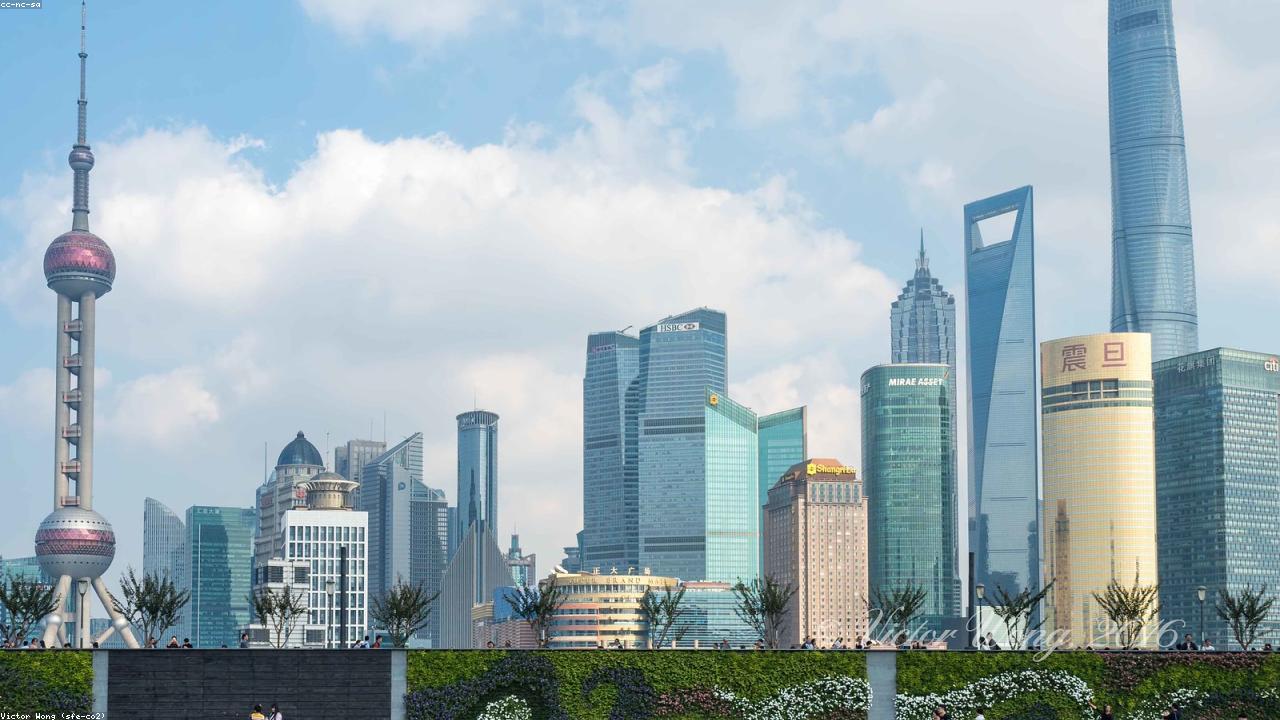
Photo: Ščenza
Shanghai, China · Asia
The short list, pulled out of the long essay. No opening hours, because they change and I would only get them wrong — just what is worth your morning, roughly when to turn up, and where I have wasted time so you don’t have to.
By Ščenza
Last checked
Zhongshan Road, along the HuangpuDawn, before the coaches arrive
Fifty-two buildings of Gothic, Renaissance, neoclassical and art deco banking ambition, put up by people who assumed they were staying permanently. At dawn the promenade belongs to tai chi groups, a ballroom couple with a portable speaker, and men walking backwards for the sake of their knees, with Pudong doing its own sunrise across the water. By nine it belongs to tour groups. The Customs House clock was built in England to imitate Big Ben and still sounds like it.
People's Square, HuangpuMid-morning; pick two galleries, not eleven
Permanent galleries are free and there are eleven of them, which is about nine more than anyone should attempt in a day. Do the ancient bronzes and the ceramics, then leave. The bronzes justify the whole building: ritual vessels three thousand years old covered in animal faces that look designed by somebody with a sense of humour and a deadline. There is a newer and larger branch across the river in Pudong if the first one leaves you unsatisfied.
Huangpu, the old cityAt opening; by ten it is a slow-moving crowd
Started in 1559 by a Ming official as a retirement present for his father, then stalled for nearly twenty years before anyone finished it, which is a timeline any homeowner will recognise. Two hectares of rockeries, dragon-topped walls and pavilions, with a five-tonne perforated boulder as the centrepiece — salvaged from the river after the ship taking it to the emperor sank. The teahouse on the zigzag bridge has been pouring since 1855.
Former French Concession, XuhuiSunday morning, under the plane trees
László Hudec's Wukang Mansion, finished in 1924 and shaped like a wedge of cheese, anchors the best walking in Shanghai: plane trees the French planted, lane houses behind iron gates, and small shops that were there long before the design boutiques found the street. There is now a permanent crowd photographing the building from one specific corner. Walk past them. The three quieter streets behind it are the actual reason to be here.
Putuo district, north-west of the BundWeekday morning, outside the lunar festival days
Working Chan monastery founded in 1882 around two jade Buddhas brought by sea from Burma — a seated figure just under two metres, and a smaller reclining one. What earns it an hour is that it is not a museum: monks live here, people drop in on their way somewhere else, and the incense smoke hangs in the courtyards under the surrounding tower blocks. The vegetarian restaurant inside is genuinely good, and I say that as a Dalmatian who considers fish a vegetable.
Miaojiang Road, on the Huangpu riversideHalf a day; check what is on before you go
China's first state-run contemporary art museum, opened in 2012 inside the shell of the old Nanshi power plant, chimney still standing and still enormous. Forty thousand square metres of concrete volume, free entry to the main halls, and exhibitions that swing between excellent and completely baffling without warning. On a bad show day the building on its own is worth the trip, which is the highest compliment available to a converted industrial space.
Suzhou, about half an hour away by high-speed trainA full day; weekday, and go straight there first
Thirty minutes on the train and you are standing in a garden begun in 1513, sixteen years in the building, named after an essay about an unsuccessful official retiring to water his vegetables. Five hectares of water, pavilions and deliberately framed views, the largest of the Suzhou gardens and UNESCO-listed since 1997. Go early or every one of those framed views will contain a stranger. I have failed at this on four visits and I will fail again.
The long version
The Shanghai of the headlines — Pudong, the LED-skinned skyline, the supertall towers — is real and worth seeing once. The Shanghai of the *longtang* lane houses, the morning markets, and the plane-tree-lined French Concession streets is where the city actually lives.
Read the full essay →