Asia
Tokyo, Japan
Tokyo, slowly: a city of thirteen million that rewards patience
August 19, 2024
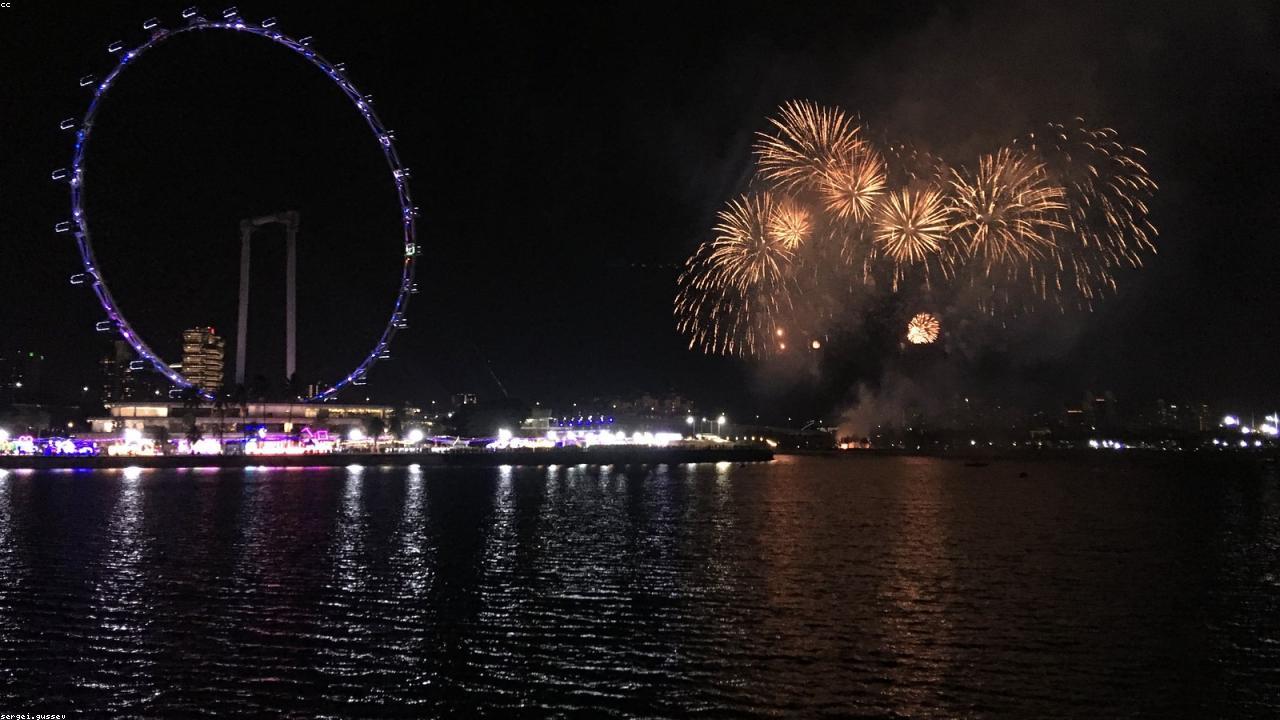
Photo: Ščenza
Singapore, Singapore · Asia
The short list, pulled out of the long essay. No opening hours, because they change and I would only get them wrong — just what is worth your morning, roughly when to turn up, and where I have wasted time so you don’t have to.
By Ščenza
Last checked
Tanglin; MRT to Botanic GardensFirst thing. By mid-morning it is a sauna with birds
Singapore's only UNESCO site, free, and open long before sunrise, which is the one civilised hour to be outdoors here. A patch of primary rainforest older than the city survives inside the grounds with a boardwalk through it, and you can go from that to a clipped lawn in four minutes. The Orchid Garden opens later, charges, and earns it. I did a lap at half six among the retirees and the herons and was back at a hawker centre before the heat had properly started.
Central Catchment Nature ReserveClosed Mondays. Earliest bus you can manage
Canopy-level suspension bridge, two hundred and fifty metres of it, slung between two ridges, one-way only, free, and reachable solely by walking a good hour through real rainforest to get to the near end. Long-tailed macaques work the trail and have understood for years that bags mean food, so zip everything and don't meet their eye. I lost a bottle of water to one and felt, briefly, robbed by a professional. The full loop is around ten kilometres and there is no shortcut.
39 Armenian StreetAfternoon, when the heat has won
Reopened in 2023 after four years shut, in the old Tao Nan School building of 1912, with nine galleries and eight hundred-odd objects arranged around origins, home and style rather than dates. Beadwork slippers, wedding chambers, kebaya, porcelain in colour combinations that should not work and do. It is the best short explanation of who the Peranakans are and therefore of why Singaporean food tastes the way it does. Ninety minutes, air-conditioned, and it makes the rest of the week legible.
158 Telok Ayer Street, ChinatownMid-morning, midweek
Hokkien immigrants who survived the crossing came ashore at Telok Ayer — the waterfront, then — and built a joss house to Mazu, goddess of the sea, in 1821. The temple that replaced it in 1842 was assembled without a single nail by craftsmen shipped from Fujian with the timber. The sea is now several blocks away behind landfill and glass, which is the whole Singaporean story in one measurement. Stand at the threshold, look up at the beams, and let the guided groups flow round you.
Southern Islands, boats from Marina South PierA weekday. Bring everything; there are no shops out there
Quarantine station on St John's opened in 1874, held up to six thousand people at a time, and closed in 1976; a causeway built in 2006 joins the island to Lazarus, which has a crescent of empty sand and no facilities whatsoever. So there is a nearly deserted beach a short boat ride from one of the densest cities on earth. Take water, take lunch, take everything, because there is genuinely nothing out there, and that absence is the attraction.
Above the Singapore River; MRT Fort CanningLate afternoon. The bunker tour needs booking
This is the hill the Malay kings were buried on, then Raffles' bungalow, then a fort of 1859 of which only the gate survives, then the concrete command bunker where Percival decided to surrender Singapore in February 1942. The bunker is the Battlebox now and the tour is the least comfortable hour in the country, in a useful way. Above ground there is a replica of Raffles' experimental spice garden and some very large trees, ten minutes' walk from the shopping.
Changi Airport, linked to Terminal 1The evening you fly out — or an evening you don't
Forty metres of indoor waterfall falls through a hole in a glass doughnut, with a forest wrapped around it, inside an airport, and you do not need a boarding pass to walk in. I have taken the MRT out there on a night I was not flying anywhere, which sounds like a symptom and probably is one. Canopy Park on the top floor has hedge mazes and a net you bounce on. Enormous, unnecessary, extremely well made: the most Singaporean object in Singapore.
The long version
Singapore has, for two generations, been written off by travel writers as too clean, too efficient, too engineered. They were almost always passing through. Stay a week and you discover a small, dense, multi-ethnic city of profound urban design intelligence and one of the best hawker-food cultures on earth.
Read the full essay →