Europe
Vienna, Austria
Vienna in winter: the case for the slow imperial city
January 15, 2022
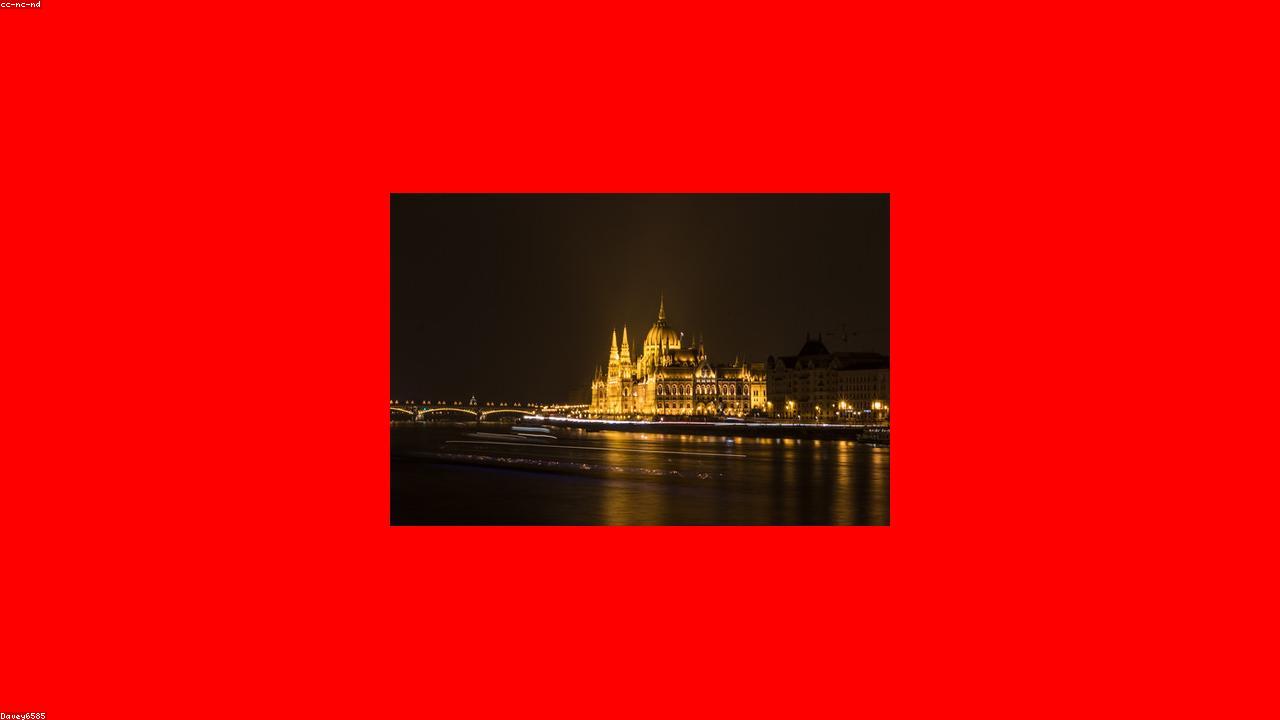
Photo: Ščenza
Budapest, Hungary · Europe
The short list, pulled out of the long essay. No opening hours, because they change and I would only get them wrong — just what is worth your morning, roughly when to turn up, and where I have wasted time so you don’t have to.
By Ščenza
Last checked
Városliget, Pest sideWeekday mornings, January to March
Thirty-eight-degree water, freezing air, and steam thick enough that the far end of the pool disappears. The chess players at the floating boards are real and they are not performing for you; they will finish the game whether or not you photograph it. With Gellért closed for renovation until 2028, Széchenyi is carrying most of the city's bath habit on its own, so go midweek and go early.
Döbrentei tér, Buda side of the Erzsébet BridgeDusk, for the rooftop tub over the Danube
Rebuilt by Sokollu Mustafa Pasha in 1566: eight columns, a dome, and coloured light dropping through glass eyes in the cupola onto water that has been arriving at the same temperature for four and a half centuries. There is a modern circular hot tub on the roof now with the river underneath it, which sounds like a gimmick and is the best twenty minutes in the city at dusk. The Turkish section is not mixed every day of the week; find that out before you undress rather than after.
Under Andrássy út, between Oktogon and Hősök tereAny time; then walk the avenue back
Opened in 1896 for the millennium celebrations, the first electric underground on the European mainland, and still running through tiled stations shallow enough to feel like a cellar rather than a tunnel. The carriages are small, the stairs down are short, and UNESCO listed the whole line in 2002 without the commuters appearing to notice. Ride it one stop, then walk Andrássy back up. That is the correct order and it takes twice as long.
Fővám tér, Pest end of the Liberty BridgeWeekday mid-morning; not Saturday lunch
Samu Pecz's iron-framed hall opened in 1897 under a roof of Zsolnay tiles, and the ground floor is still where Budapest buys paprika, sausage and pickles in quantity. The gallery upstairs is the tourist floor and I say that without judgement: a lángos up there, leaning on the rail, watching the trade below, is a decent hour of anyone's life. Buy the paprika downstairs, from someone whose hands are stained with it.
Kazinczy utca, District VIISunday farmers' market, not Saturday midnight
The original ruin pub, in a half-collapsed pre-war apartment block, furnished out of a skip and now firmly on every stag party's route. Come on a Sunday afternoon instead, when the courtyard holds a small farmers' market and you can actually see the building — the ironwork, the peeling stairwell, the bathtub someone fitted a bench into — without shouting. I have done both. Only one of them left me able to hear the following morning.
Forty minutes north from Batthyány térHalf a day; avoid summer weekends
Baroque houses in ochre and dusty pink, Serbian Orthodox churches up the hill, and a Danube promenade that is genuinely pleasant when it is not carrying four coachloads at once. The HÉV out of Batthyány tér runs often enough that you can leave when you feel like leaving, which is the only way I have ever enjoyed a day trip. The town has been an artists' colony for a century and it shows in the number of small galleries per square metre.
Andrássy útEvening; book a few weeks ahead
Ybl's 1884 house reopened in 2022 after five years of restoration that put the gilding back and, at long last, put air conditioning in. Take the gallery: the view is partial, the acoustics are not, and you will be sitting among Budapest students who know the work better than you do. I spent a first act once watching an elderly man conduct along with two fingers on his knee, and thought it the better performance.
About 10 km south-west of the centreLate morning; it is an exposed field, so not high summer
Forty-odd Lenins, Marxes and heroic workers, evicted from the city's squares after 1989 and rearranged in a field where they can be looked at rather than obeyed. It is deliberately anticlimactic: no lighting design, no dramatic soundtrack, just enormous bronze men gesturing at farmland. Yugoslavia sent its monuments the other way, mostly abstract and mostly abandoned to weather, and standing here I could not decide which approach was the kinder one.
The long version
Budapest's two best institutions are its thermal baths and its ruin pubs — both unique to this city, both essential, both best understood by trying them yourself. The river is the city's spine and the baths are its lungs.
Read the full essay →