Asia
Tokyo, Japan
Tokyo, slowly: a city of thirteen million that rewards patience
August 19, 2024
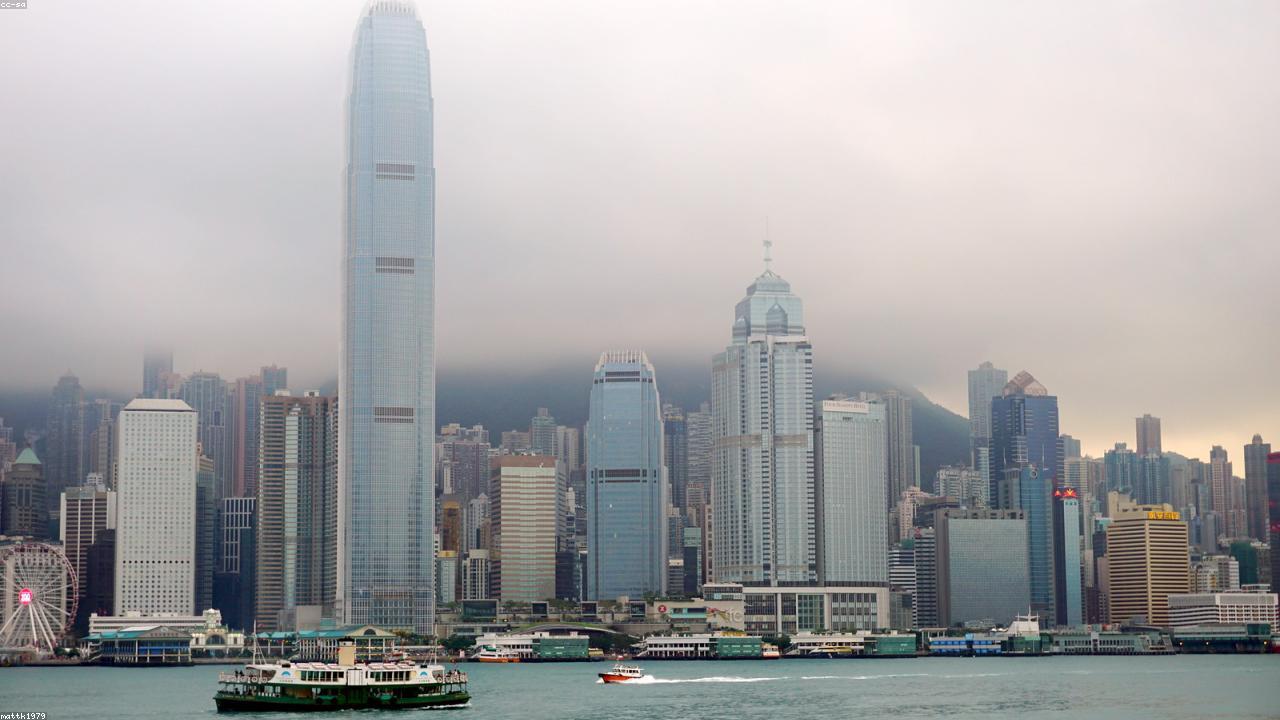
Photo: Ščenza
Hong Kong, Hong Kong · Asia
The short list, pulled out of the long essay. No opening hours, because they change and I would only get them wrong — just what is worth your morning, roughly when to turn up, and where I have wasted time so you don’t have to.
By Ščenza
Last checked
Victoria Harbour crossingDusk, as the towers switch on
Seven minutes across the harbour on a green-and-white boat with wooden benches whose backrests you flip over by hand depending on which way the thing is pointing. It has been running for well over a century and still carries tens of thousands of people a day who are not sightseeing at all, they are going to work. The lower deck sits nearer the water and costs less, and the whole crossing costs less than the coffee you will want afterwards.
Hong Kong Island: Kennedy Town to Shau Kei WanWeekday mid-morning, for the front seat
Double-decker trams have run along the north shore since 1904 and the fare is flat however far you travel, which makes riding the entire line the best value in the city and also a faintly ridiculous way to spend ninety minutes. Front seat, upper deck, window open. You move at roughly jogging pace through wet markets, banking towers and tenement streets, close enough to read what is painted on the awnings and occasionally to smell what is cooking under them.
Sheung WanLate morning, when the incense is thickest
Built in 1847 for the civil god and the martial god: literature and war, sharing one roof, an arrangement I have never entirely resolved. It is a declared monument now, sitting on a street of antique dealers. The ceiling is hung with enormous conical incense coils that burn for days and turn the light inside a deep brown. Ten minutes in there and your jacket carries the smell for a week, and I have long since stopped minding.
Shek O Country Park, south-east Hong Kong IslandCool season; there is very little shade
Stage eight of the Hong Kong Trail — a ridge walk with the South China Sea on both sides, paragliders working the updraught above you, and a genuinely disorienting absence of skyscrapers given that they are all on the same island. About four hours to the finish at Big Wave Bay, where you should swim before catching the bus back. Not a hard walk, but there is a two-hundred-metre climb early on that I have now underestimated twice.
West Lantau; buses from Tung Chung or Ngong PingLate afternoon, staying for the sunset
Tanka fishing settlement on the far side of Lantau where the houses stand on stilts over tidal creeks — pang uk, still lived in, with laundry lines, outboard motors and trays of shrimp paste drying in the sun. It is a long way out and the bus across the island is a switchback that some passengers do not enjoy in silence. The place smells powerfully of salted fish, which is the honest smell of somewhere that has made its living that way for centuries.
Diamond Hill, KowloonMorning, before the light goes flat
Rebuilt in 1998 in Tang-dynasty style out of cypress joined without a single nail, and now the largest handmade wooden building in the world, sitting directly under Kowloon housing blocks. The garden opposite follows the same period logic, with a gold pavilion on a pond and a rock arrangement that has clearly been argued over in committee for years. Free, quiet, and about a hundred metres from a shopping mall and a motorway flyover.
West Kowloon Cultural DistrictAllow half a day; end on the harbour terrace
Herzog & de Meuron's museum of twentieth- and twenty-first-century visual culture, open since 2021, and the first place I have seen give Asian design, architecture and moving image the floor space normally reserved for oil paintings. There is an entire Japanese Metabolist apartment capsule inside the building. The facade carries an LED screen facing the water, so at night the museum is also a component of the skyline it spends the day looking at.
Mong Kok, KowloonMorning, best on a Sunday
Older men bring their songbirds here in bamboo cages, hang them on the rails, and sit down. That is the entire activity, and it has been happening since the garden was built in 1997 to replace the original bird street, which was demolished for offices. Next door the flower market runs for several blocks of nothing but cut stems and orchids. Split has one flower stall by the market and I resent the comparison every time I stand here.
The long version
Hong Kong's verticality is famous. What's less famous is how walkable it remains. The Mid-Levels escalator alone covers 800 metres of climb. The city is layered — street level, podium level, rooftop level — and the trick is to keep moving between them.
Read the full essay →