Asia
Kathmandu, Nepal
Kathmandu: a medieval city at the foot of the Himalayas
March 12, 2022
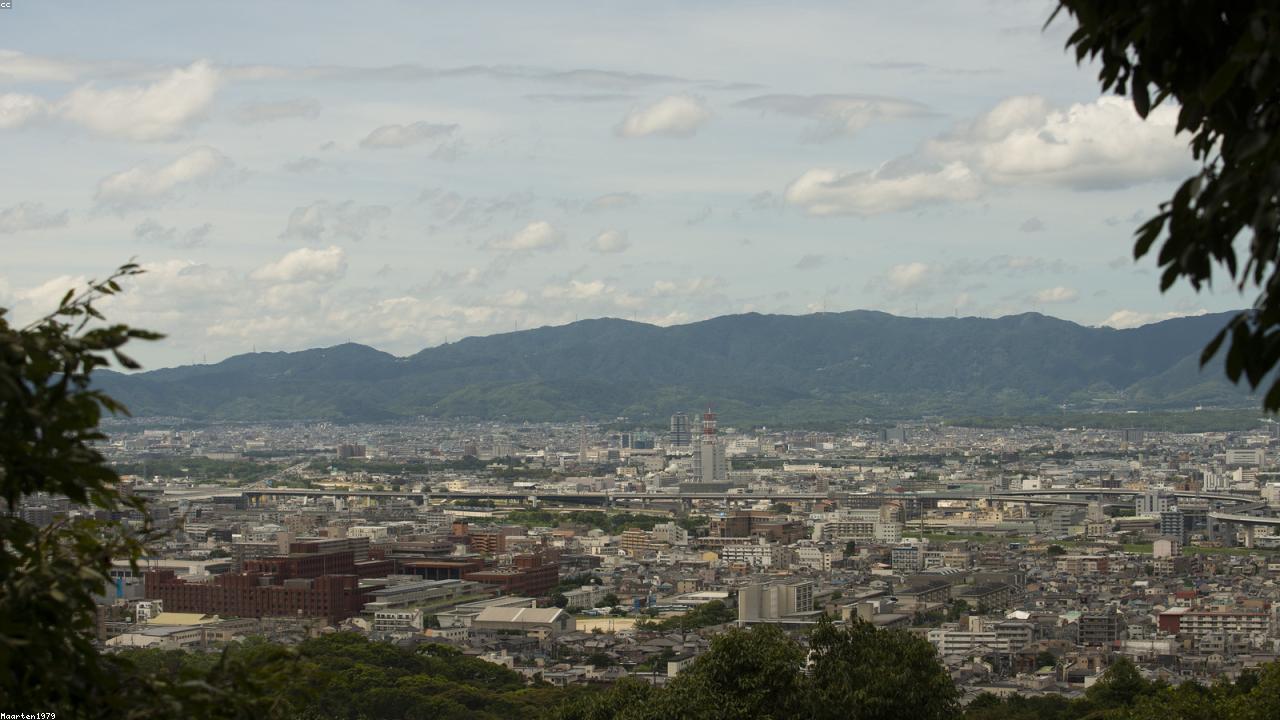
Photo: Ščenza
Kyoto, Japan · Asia
The short list, pulled out of the long essay. No opening hours, because they change and I would only get them wrong — just what is worth your morning, roughly when to turn up, and where I have wasted time so you don’t have to.

By Ščenza
Last checked
Fushimi-ku, south of the city; the shrine has no closing timeBefore seven — by eleven the path is a procession
Ten thousand torii, each one paid for by a business, about eight hundred of them packed into the double tunnel everybody photographs. Mount Inari is 233 metres and the full circuit runs roughly two hours; the terrace at Yotsutsuji is where most people turn back and where the city opens out beneath you. At six one morning I had it with three other walkers and a cat asleep against a stone fox. By eleven you are queueing in order to walk.
Higashiyama, one stop south of Kyoto StationThe Hōjō garden closes during the peak maple weeks — check before a November visit
Tsūtenkyō, the covered wooden bridge, crosses a valley of maples that in late November is the most photographed ravine in Japan. Go for the Hōjō instead: Mirei Shigemori laid out these four gardens in 1939, and the checkerboard of moss and cut stone thinning away into plain moss at one corner is the most modern thing I have seen inside a Zen temple. The garden shuts during the autumn rush, which tells you roughly what the priests make of the autumn rush.
Higashiyama, near the Kyoto National MuseumFirst hour of the day
Inside a hall of thirty-three bays stand a thousand and one gilded Kannon in ranks, with twenty-eight guardians, a wind god and a thunder god in front of them. Photography is forbidden, so for once nobody is holding a phone above their head. For 255 years archers competed down the length of the outside veranda, shooting arrows the full run of the building. You go slowly along the inside. Every face is carved differently, and the guides will tell you one of them is yours.
North-west Kyoto, near Kinkaku-jiAt opening, or in rain
Fifteen rocks in raked gravel, placed so that from any point on the veranda you can only ever see fourteen. That is the entire proposition. The mistake is to arrive, photograph it and go; the thing to do is stay long enough that a coach party arrives behind you, murmurs, and leaves, and the wall in front of you stops being a fact you have read about and becomes a wall.
Murasakino, north KyotoLate morning on a weekday
Daitoku-ji's main temple is closed to visitors and so are most of its twenty-odd subtemples, which is precisely why the few that do open stay calm. Daisen-in, built between 1509 and 1513, runs a dry garden of gravel around the building like a river with a beginning and an end. Ryōgen-in a few steps away has several small gardens and hardly anyone in them. A whole walled district of gravel and tea-ceremony history, and I have never once had to queue in it.
Downtown, one block north of ShijōMid-morning; by afternoon it is shoulder to shoulder
Kyoto's kitchen: five covered blocks of pickle barrels, knife makers, tofu skin, dried fish and stalls that will hand you a slice of something to try. It is a working market slowly being eaten by street food, so the move is to walk it once for the pickles and the cutlers and then buy lunch on a side street. I came away with a knife I did not need and have used it every week since, which I choose to file as research.
North Higashiyama, at the southern end of the Philosopher's WalkAny time; best in rain
A Meiji brick aqueduct on Roman arches runs straight through the middle of a thirteenth-century Zen temple, carrying water over the hills from Lake Biwa. No planning committee alive would allow it now. Everyone photographs the arches and then walks off without going into the Hōjō garden thirty metres away — a mistake I made on my first visit and have not made since.
Demachiyanagi, where the Takano and Kamo rivers meetLate afternoon; summer evenings the banks fill up
Stepping stones cross the water where the two rivers join, a few of them cut as turtles and birds, and the whole city seems to use them — students, herons, and a man practising trumpet at a considerate distance from everybody. No ticket, no gate, no temple. After four days of raked gravel and taking my shoes off, sitting on that bank with a convenience-store coffee is the part of Kyoto I miss most.
The long version
Kyoto has a famous-temples problem: there are too many famous temples in a small city, and the day-tripper bus from Osaka delivers tens of thousands of visitors to half a dozen of them daily. The other temples — and the famous ones at 6 a.m. — are still entirely yours.
Read the full essay →