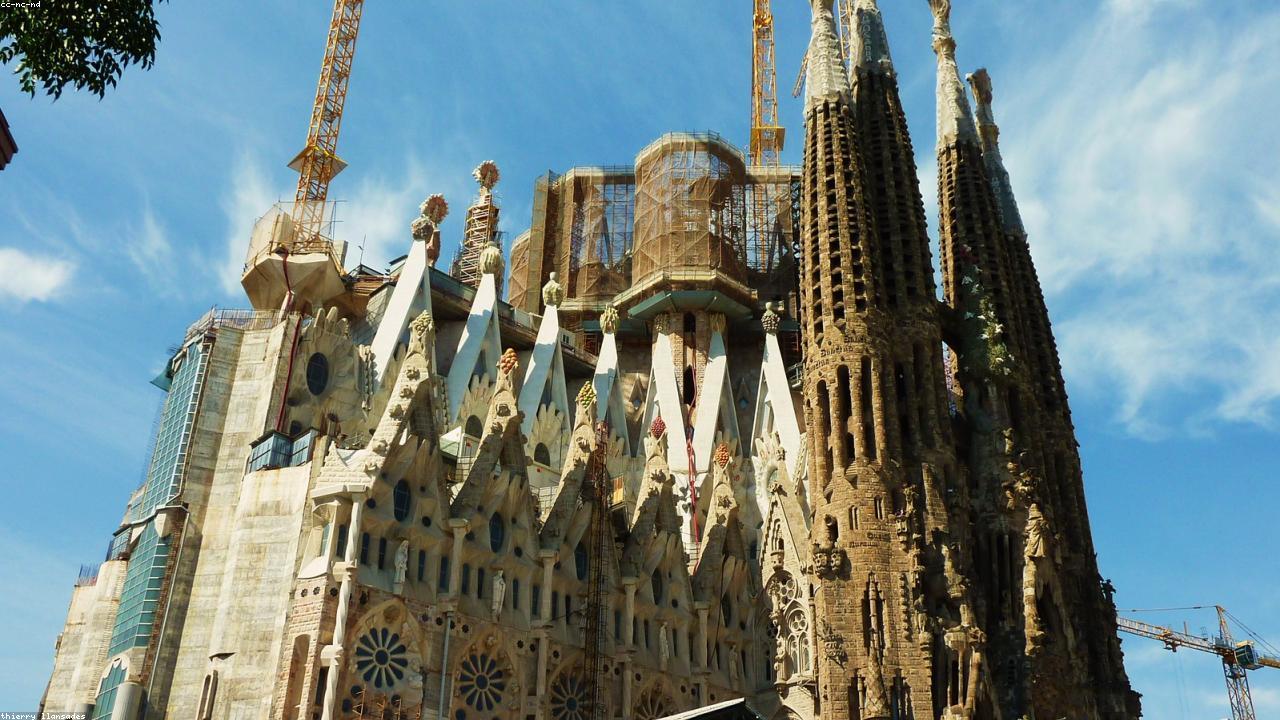
Europe
Barcelona, Spain
Barcelona without the postcard: a week with the working city
April 8, 2024
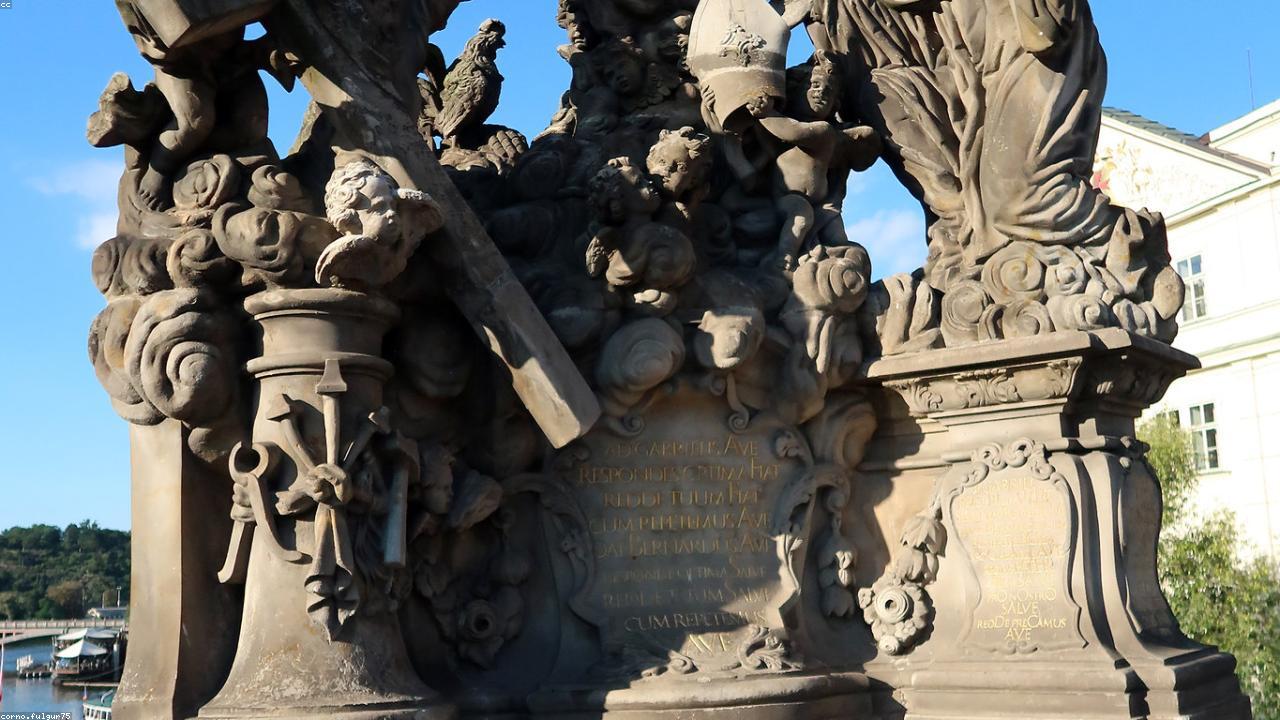
Photo: Ščenza
Prague, Czechia · Europe
The short list, pulled out of the long essay. No opening hours, because they change and I would only get them wrong — just what is worth your morning, roughly when to turn up, and where I have wasted time so you don’t have to.
By Ščenza
Last checked
Between the Old Town and Malá StranaDawn in any month; winter dawn is late enough to be civilised
Five hundred and sixteen metres, thirty statues — every one of them a replica now, the originals having been taken indoors away from the weather — on a bridge begun in 1357 and under some phase of restoration for most of my adult life. Before six it is empty, the Vltava steaming in the cold, one saxophonist setting up who has clearly not decided whether to bother. Return at nine and you will queue to stand still. Highest-return alarm clock in Europe.
Strahov Monastery, on the hill above Malá StranaLate afternoon, then walk down through the orchard
Two hundred thousand volumes across two rooms — the barrel-vaulted Theological Hall and the taller Philosophical Hall, ceilings by Nosecký and Maulbertsch — plus a corridor cabinet of curiosities holding some deeply unwell-looking taxidermy. Afterwards walk down through the monastery orchard with the whole field of spires in front of you. The castle queue is twenty minutes east and I have never regretted walking away from it.
On the bluff above the river, two Metro stops south of the centreSunday morning
Everyone climbs to the castle and almost nobody comes to the other fort. Vyšehrad has ramparts to walk, the city's oldest surviving rotunda from the eleventh century, and a cemetery where Dvořák, Smetana, Mucha and Čapek lie within a few minutes of one another. On a Sunday it is Czech families, dogs, and nobody selling anything at all. The view down the Vltava from the walls is the one the postcard racks forgot about.
Josefov, north of the Old Town SquareFirst entry of the day — it is a narrow path and it backs up
The oldest legible stone belongs to a rabbi and poet who died in 1439, and the last burial was in 1787. In between, with no room to expand and no permission to clear, the community raised the ground and buried in layers — twelve of them in places — which is why the stones now lean into each other like a crowd on a tram. Ten minutes away the Spanish Synagogue does the opposite: gilded, stuccoed and patterned in the Moorish manner down to a Torah ark shaped as a mihrab.
Náměstí Republiky, beside the Powder TowerEvening for a concert; the guided tour runs by day
Art Nouveau at full volume: Smetana Hall under its glass dome, and upstairs the Lord Mayor's Hall painted top to bottom by Mucha, which the daytime tour gets you into. The concerts are aimed at visitors and the programme is usually the greatest-hits kind, and I have given up pretending to mind. Sitting under that ceiling while an orchestra grinds through the New World Symphony is not something I am capable of being superior about.
Letná Park, above the bend in the riverLate afternoon into evening, spring to autumn
Where Stalin's monument stood until it was dynamited in 1962 there is now a 25-metre metronome, installed in 1991 as a temporary piece and never taken away, not always swinging. Skateboarders own the plinth. Behind it the beer garden sits under the chestnuts with the whole row of bridges laid out below. Bring a bottle opener; I have twice had to ask a teenager on a skateboard for help and he was gracious about it both times.
VinohradyAny weekday; there is usually a market on the square
Jože Plečnik built this between 1929 and 1932 and it resembles nothing else in the city — a brick ark of a building with a 42-metre tower carrying a glazed clock face 7.6 metres across, the largest in the country. Half of Vinohrady walks past it to the Metro every morning without once looking up. Stand at the far end of the square with a coffee and give it ten minutes, then go and see what the same man did to the castle gardens.
Rašínovo nábřeží, the embankment below VyšehradSaturday, early — the good bread goes first
Saturday brings ninety-odd stalls down onto the embankment: growers, butchers, cheese, bread, a queue at every coffee cart, and the crowd is Czech families doing their shopping rather than a performance staged for visitors. Buy breakfast, sit on the concrete steps with your feet hanging over the water, and watch the swans run their protection racket. Most ordinary thing on this list, and the one I would keep if I could only keep one.
The long version
I first saw Prague in 2003, when the post-communist hangover was real and the beer cost almost nothing. The city has changed more than any European capital I know. The trick now is to find the version of it that survived.
Read the full essay →Barcelona, Spain
April 8, 2024
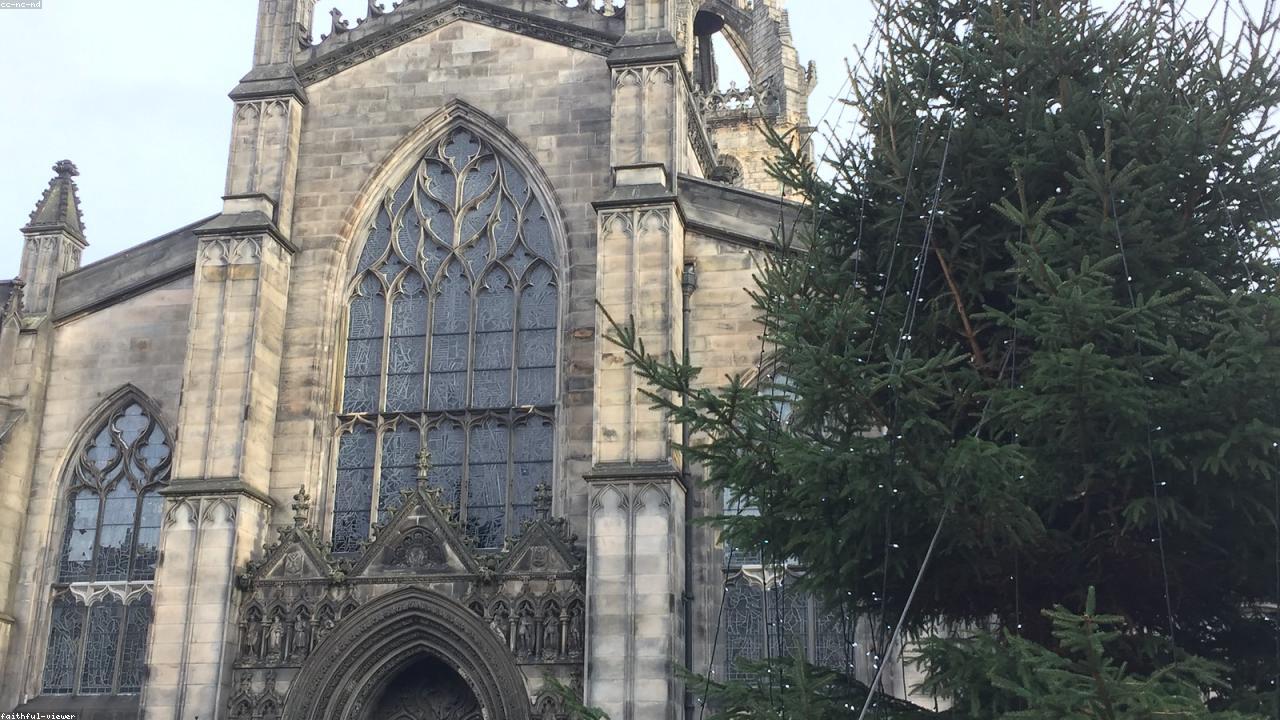
Edinburgh, Scotland
February 19, 2023
Dubrovnik, Croatia
April 11, 2022