Asia
Singapore, Singapore
Singapore: the small city-state that gets the small things right
April 29, 2024
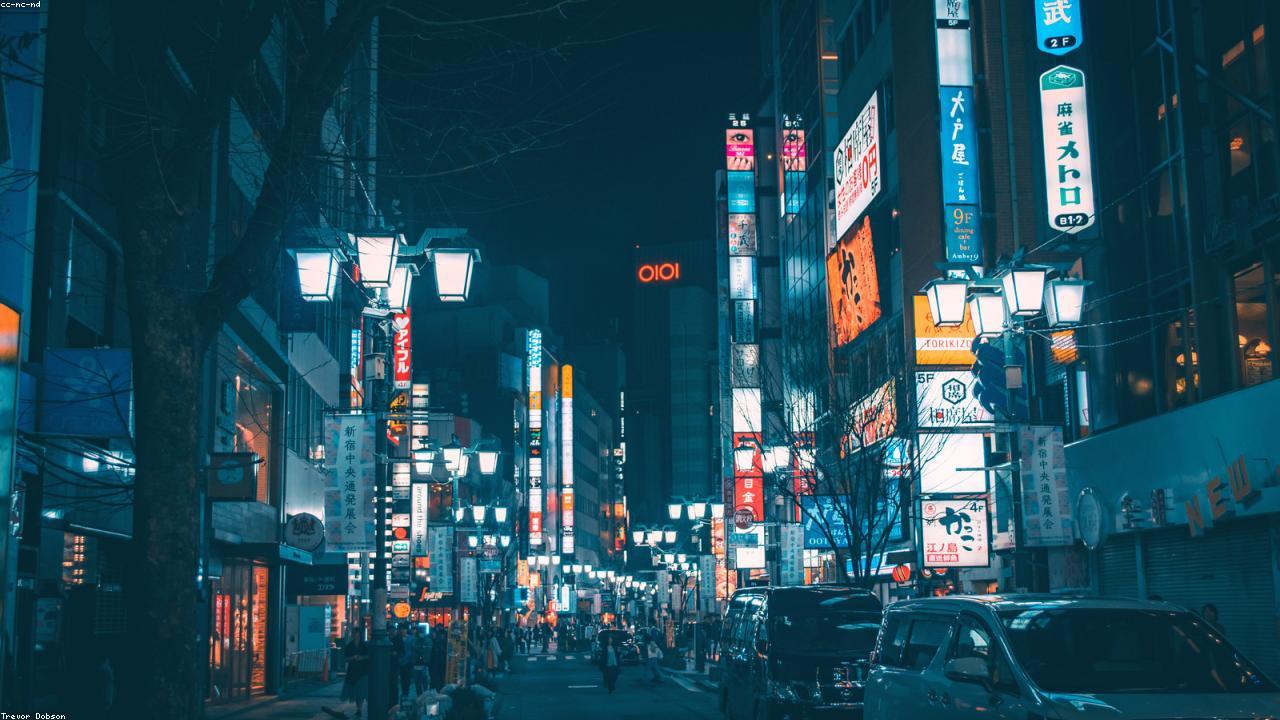
Photo: Ščenza
Tokyo, Japan · Asia
The short list, pulled out of the long essay. No opening hours, because they change and I would only get them wrong — just what is worth your morning, roughly when to turn up, and where I have wasted time so you don’t have to.
By Ščenza
Last checked
Toyosu, Kōtō ward — Yurikamome line to Shijō-maeBefore dawn, on market days
Sealed glass separates the upper gallery from the tuna floor, so you watch several hundred frozen fish change hands in near silence, the auctioneer's voice piped through speakers like a nature documentary about money. I went four mornings running and only worked out the buyers' hand signals on the last one, and I was wrong about that too. Afterwards eat at one of the counters in the outer buildings, standing among wholesalers who have been awake since two and will be back at work in twenty minutes.
Shibuya, beside Harajuku StationThe shrine opens at sunrise; that is the hour to use
One hundred thousand trees, donated from every part of Japan and planted by volunteers in the 1920s, make up this forest — which means the most ancient-feeling place in central Tokyo is younger than my grandmother's house in Kaštela. Walk in from the Harajuku gate before the tour groups and the gravel underfoot is the loudest thing you'll hear. Come out the far side into Yoyogi Park and the city returns at once, usually in the form of somebody practising a saxophone badly under a tree.
Taitō and Bunkyō wards, minutes from Nippori StationLate afternoon, when the shopping street fills up
Yanaka came through both the 1923 fire and the wartime bombing, so the lanes still bend the way Edo lanes bent. Start in the cemetery — laid out in 1874, thousands of graves, cherry trees down the central avenue — which sounds morbid and is in fact where the neighbourhood walks its dogs and eats lunch. Then down the steps into Yanaka Ginza, a short street of family shops that has held out against becoming a mall for far longer than I have held out against buying things I cannot carry home.
Minami-Aoyama, Minato wardClosed Mondays; best on a wet weekday
Bamboo lines the long entrance corridor, which functions as an airlock: you step off an Aoyama street of luxury flagships and come out somewhere quiet. The collection is Nezu Kaichirō's — pre-modern Japanese and East Asian art, several National Treasures among it — but the garden behind is why you stay: over a hectare of ponds, stone lanterns and tea houses, in the middle of Minato ward. I once spent an hour there watching a heron do nothing whatsoever, and counted it time well spent.
Ryōgoku, Sumida wardJanuary, May and September — fifteen days each
Tokyo holds three of the six annual tournaments, and the hall is a minute from Ryōgoku station, which is the only easy part of the exercise; tickets go fast. Arrive when the doors open and the junior divisions fight in a half-empty arena to the sound of people unwrapping lunch. By late afternoon it is full, loud, and each bout lasts about four seconds. I have watched a man carrying twice my body weight move faster than I can, twice, before I finished the sentence I was saying about it.
Kanda, Chiyoda wardA weekday afternoon
Somewhere between 130 and 180 second-hand bookshops, depending who is counting, are packed into a few blocks of Kanda — reckoned the largest concentration of used books anywhere on earth. Most of the shopfronts crowd the side of Yasukuni-dōri where the sun cannot get at the paper. I read no Japanese. I have nonetheless bought books here twice: a 1960s photography volume and a set of maps I have no use for. The owners are patient about this. It presumably happens to them all day.
Taitō ward, between Ueno and AsakusaWeekday mornings — it is a trade street, not a sight
Eight hundred metres of shops selling nothing but restaurant equipment: knives, moulds, noren curtains, wooden buckets, and the lacquered plastic food samples that sit in restaurant windows all over Japan. Chefs come here to work. I came to buy one knife and left with a mandoline I have used eleven times and been frightened of on every one of them. Buy a blade and they will sharpen and wrap it properly, which is more care than I have had from any hardware shop in Split.
Six alleys on the edge of Kabukichō, ShinjukuLate evening; avoid Friday if you want a seat
Six alleys of two-storey shacks, each holding a bar with room for five or six drinkers, somehow survived the postwar clearances, the bubble, and the developers. Some are members-only, some carry a cover charge, some want Japanese spoken and say so on the door. Read the doors. I once sat down in a bar whose entire subject was 1970s Finnish punk, understood none of it, and was poured a beer by a master who plainly wished I had picked the jazz place two doors down.
The long version
Tokyo is large in a way that defeats the standard travel rhythm. It is not one city; it is twenty-three wards, each a small city, each with its own grammar. The right pace is to do less, daily, and to do it more carefully.
Read the full essay →Singapore, Singapore
April 29, 2024
Seoul, South Korea
March 12, 2024
Hong Kong, Hong Kong
April 4, 2023